Commitment of Spring…
“You can watch spring coming”,
Eeva K. proclaimed upon unlocking the door to my new office.






…visualized embodiments.





Posted in Paparazzi Ethnography, tagged Helsinki on June 1, 2013| Leave a Comment »
“You can watch spring coming”,
Eeva K. proclaimed upon unlocking the door to my new office.
Posted in Paparazzi Ethnography, tagged Tromsø on May 23, 2013| Leave a Comment »
Pan-Arctic Extractive Industries PhD Programme:
An initiative under the Umbrella of the University of the Arctic, led by Jessica Shadian, Florian Stammler (Arctic Centre, U Lapland), Gunhild Hoogenson-Gjorv, U. Tromsø.
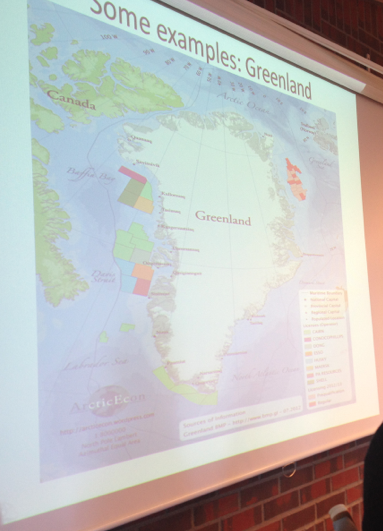
5/31: Student Presentations.
Elena Nuikina, U Vienna, Vorkuta, Russia, coal mining — superb talk on her work in Russia, great ethnography, looking at development as a process of expansion through efficiencies of scale.
What makes a mono-industrial town located in North of Russia a viable place? How viability is negotiated? (Fluid process; looking at perceptions, strategies and tactics to make Vorkuta a viable place? Viability for whom?). Chapter 2, How international experts, authorities, companies and ordinary residents envision future existence of the town? What were the projects aimed at future viability of the town? How is viability negotiated in changing context? Development Scenarios for Vorkuta. Whether it should be a workers’ camp or “town”.
Shrinkage — Instead of Restructuring — (Industry shrinking, spatial re-organization of the town down to 5 mines from 12; from 200,000 down to 90,000; outmigration of people (via programs + self-driven) — Consequences: Changing economic life in the town; municipal and social services; ghost towns on the margins of Vorkuta; changing social dynamics in the town (mafia, social activism, leadership, social capital, social cohesion). Possibly a positive movement where “development” from shrinkage could result in “higher living standards” — So development, instead of leading toward largess, the concept of development is Progress, whose telos is efficiency. A playground for World Bank, a laboratory for carrying out processes elsewhere. Strategies of efficiency that are utilized by different actors in different ways. Temporality — short term stays as part of the discourse in labor and out-in migration.

Tara Cater is up next, Dept. Geography, Memorial University, talking about High North Canada. Engaging with Indigenous and non-Indigenous actors involved in mining communities. Piotr Graczyk, PhD student, U Tromsø, up now talking about regime frameworks and the relationships between state’s interests, constructivist approaches involving agent-structure interaction, and foreign policy analysis decision making.
5/30 — after lunch: Russian Nickel Industry: Soviet Industrialism, Russian Capitalism and the Environment, Lars Rowe, Fridtjof Nansen Institute. How nickel industry came to be in Northern Norway. Petsamo/Pechenga region. Finnish Corridor: the Tartu (Dorpat) Peace Treaty (1921) — given to Finland because of the desire for an outlet to the (arctic) ocean; Finnish geological investigations (1921-1934), looking for iron, but found nickel instead; Inco (Canada) vs. IG Farben (Germany), considered the biggest find outside of Canada — but without expertise in the Country to develop the ore, and engaged various companies. Nickel concession settles with Inco, which secures Petsamo in 1934; 1934-39, Company town Kolosjoki (Nickel); Power plant at Jäniskoski. Nickel — steel alloys, makes steel – stainless, stress resistant, munitions, armor plates, secure supplies, deny supply to competing powers.
 Then war comes to the area. Winter war 1939-1940. Moscow Parenthesis 1940-41/ Finland, Germany, and Soviet Union; Molotov’s sudden demand, Finland needs security: Hitler or Stalin? 1941-1944: Germany controls Petsamo; October 1944: Soviet takeover. 3 months after the peace, after Soviet’s give back Petsamo to Finns. But then, they ask the Finns for Petsamo back. In Pechenga: Nickel, Zapolyarnyi (1957); Prirechnyi (1962); Five hydroelectric power plants (1951-1970) – two built by Norwegians, three Finnish, two Russians (a minimum of border crossing by Western personnel); Five new ore deposits; The Norilsk ore [The issue of Western personnel on “Soviet Soil” is something Jonathan Stern disavows in his story of Natural Gas industry technology transfers]
Arn Keeling. Environmental history and extractives. Extractive industries: histories of exploitation, degradation and conflict; Cumulative effects assessment: immanent/future development focus (may include effects of past activities projects on current and future development).
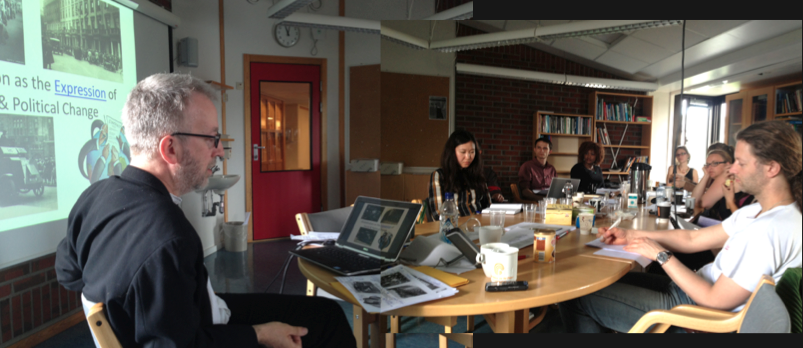
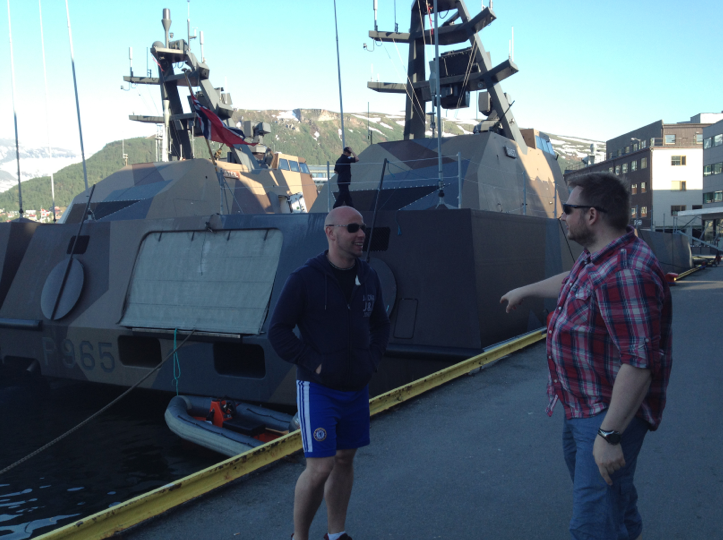 5/29: Stuart Robinson, is up — U Tromsø, Globalisation as the Expression of Social and Political Change: a Pretext— delivering up great job. Hanging on his every word. Okay, here we go:
What Globalization expresses, social and political change on a fundamental level. How things are made and how economic systems function. Using Globalization as a lens for talking about political problems associated with Marxism as a tradition of thought ostracized through sleights of hand. Marxism, as a word and ism, we mean something different when we talk about racism, rationalism, a pathology — a dismissal and straw man effect.

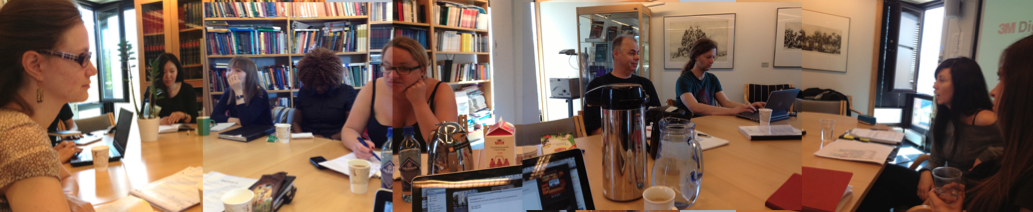
The materialist view — the overstatements of dichotomies of liberalism (voluntary actions) versus materialisms of Marx, given that liberalism itself is a materialist position. Not the things themselves, though those are important themselves, but the process of production, that sustains of lifeworlds, creates all kinds of organizational demands and the shaping of social relationships — which is more material, than the view that the actions of individuals and rational action is somehow the nomos of geographies of life.
 Making things and cooperation. The production and distribution of goods, organization of market system for distribution — and more profound and complex than the simplicity of what goes on in a factory. Consumption and production in our lives take up so much of our time, as human beings in world that we live in, dynamics of employment. The normalization on the cultural plane, being a cog within an industrial process: Hannah Arendt.
Subsidiarity — the idea of constellation of heterogenous actors, granted autonomy to do what one does best, coordinated — paradoxical decentralization. Autonomy — a body that would operate independently as a good service provider, as operating as a private company, operated with municipality as having controlling interest, and then giving up the interest, merely a regulatory framework, and then becomes a model of competition. A kind of transnational organization that permeates on the policy level and its replication.
 Fordism — intensified factory organization (collectivised capital ownership and finance, automation, strengthened hierarchy, scale) combined with political economy of distribution (producer-consumer contract). Changed the dynamic of work, from the natural rhythms of work to the factory assembly line (“not the employer who pays the wages, but the customer who pays the wages”). Marketing — playing on insecurities, worries about aging, worries about being socially accepted; Banking and credit– paying on installments, forms of debt, etc.
PostFordism– integrated with Fordist practices, growing concentration of capital, centralization of decision making in larger corporations, typically marketing position in markets — living the usual assumptions of free markets, but the reality of most markets are one or more forms of monopoly and oligopoly relationships and even difficult to understand who the actors are, resulting in an increase in a transnational organization. Global factory and the integration of how things are made through collaboration of intra-industry trade, and the relationships whether competitive or collaborative, and the neoliberal classical model assuming an externalization of rational actors meeting in the market place, which may or may not be the case.
 The boundary between firms — disguising the influence of monopoly and monopsony (supplier of a good but dependent on another actor who distributes those goods). High tech system of design, and distribution and networked together with the most disgusting sweatshops, and the externalization of sweatshops — what can we say — that these locations are part of the transnational corporation, the phoenix rising of the centrally planned economy, under the guise freedom of contract, free markets, insertion of free market under a heavily centralized production process and the internal operations of a global corporation vertically integrated.
 Steering at a distance – autonomy over process but responsibility over results. Control the outcomes, recording the publications and providing rewards effectively discipling the subject. Geo-political marketing, multi-lateral trade through NAFTA, and other investment regimes.
Praxis: Engineered Autonomy — Division of labor/tasks (differentiate, allocate); coordination (compartmentalise, quantify, time); Tutelage (focus decision making, rationalise lines of command, allocate goals and incentives, monitor).
Thanks Stuart!!!
Okay Q & A…
Florian questioning about the socialist corporation and the company towns of extractive industries. The draconian rules of the gated community for maximizing profit. The issue of trust– marketing and advertising is all about generating feelings of insecurity, that trust has broken down, and a social system of insecurity — a notion that you need to be worried about not socially competitive, about attack….
Industrial transformations — changing the lay of the land — making extractive industries rather cutting edge, and making traditional industries’ cutting edge backward — the need to move into new areas where the networked model of organization is effective — broad church of actors. Product tagging, topography of global economy. The Logic of Capitalism and the logic of society – continuing commodification that stress of society – society. Possibilities of social organization.
Ok. Up now we have Florian Stammler, talking about developments in the Yamburg, working as a consultant for a firm that was given a contract to carry out interviews among community members where oil and gas development is planned to take place.
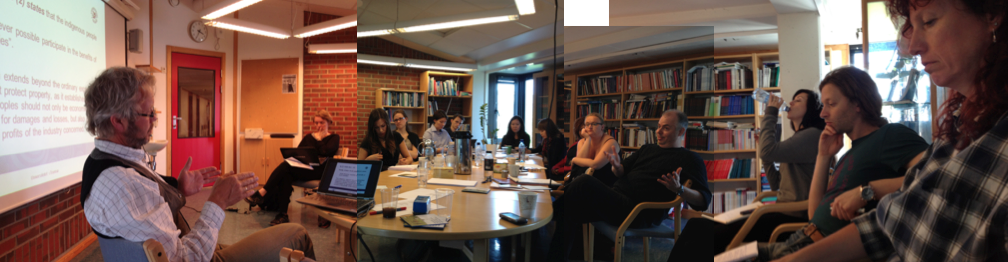 5/28: Second day. Florian up now. Constant state of justification and crisis as a field. Anthropology has been accused by a number of scholars as the handmaiden of colonialism, used to create passive subjects of rule. Processes of verification are not based on verifiable forms common to the quantitative fields.
 How do we grant authenticity and credibility to our findings if we cannot do so with hard numbers. Dealing with the pressure of justification — fieldwork is a powerful tool of establishing the real and verifiable. Very material process, we expose our body to the situation. This experience of exposure we ground credibility of our finding.
How do people use resources in the Arctic. How do people make sense of what folks see out in the Arctic. An environment that you cannot ignore. As anthropologists our task in the sense making exercise — we study how people make sense of the resources.
 We benefit from the experience of sense making from our informants. Whether geologists looking at the underground reservoir, or herders, who see a field of symbolic and material formations that give them purposeful approaches.
By examining what people do on the land — focus on what people do on the land, with the resource. How are these approaches similar or different. Engaging materially with the environment. Methods of participant-observation, tensions of subjectivity and objectivity. Acquiring skills as a form of credibility and authority. Creating forms of reflexivity in the field among informants for whom we are learning about their lives. Non-verbal ways of communication in the Arctic, versus verbal forms of communication among expertise, e.g., interviews have limitations.
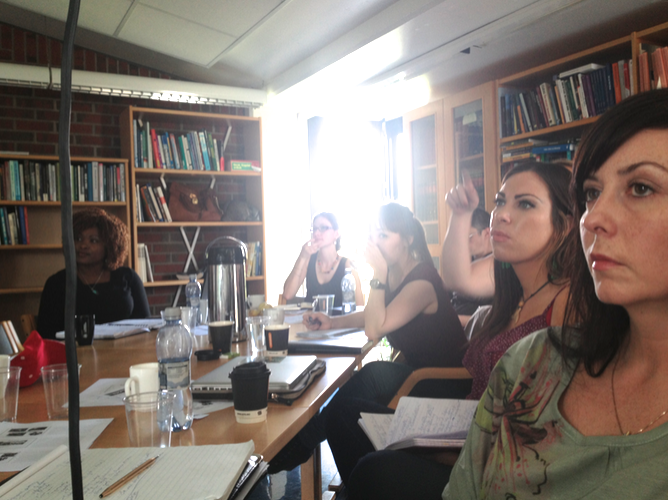 Arn Keeling, professor at Memorial University, up now talking about geography methods, activities he employs in constituting knowledge in his field, genealogy, historical research, and important parallels with anthropological methods, but special challenges with investigating the past, mobilizing time and duration. Turning now to students to listen to some of their methodologies and problems in the understanding of extractive industries. Piotr Graczyk, political science graduate student, examining institutions in the Arctic Council, and employing an emersion method of knowing folks, over and over again, following the game. Dealing with the personal role that the fieldworker has when engaging them in authentic representations of what they are doing. Florian, Berit Krisstofersson, talking about how to turn limitations into a problematization of analysis. We are speaking now about issues of fieldwork, when we can get access and when we cannot, the concept of theory and how the empirical could contribute to a notion of theory.
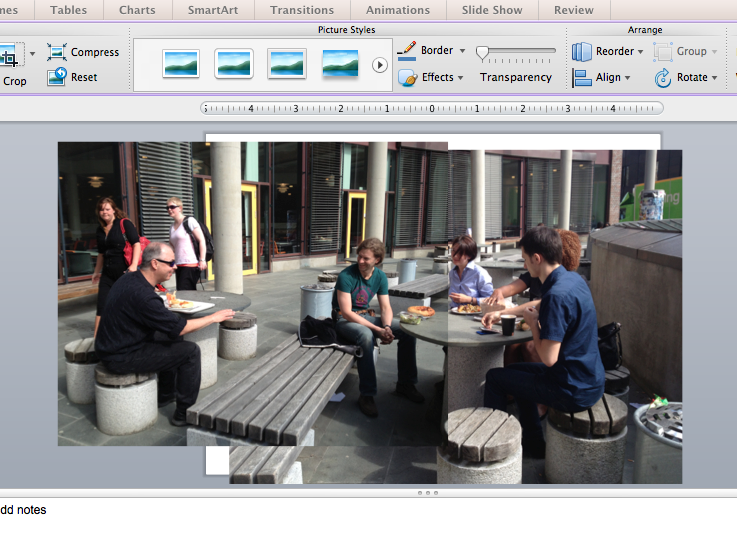 After Lunch — Gjert Lage Dyndal, Political challenges to petroleum activity in Svalbard: Extractive Industries, Norway, Canada, Finland, Russia.
Increased Arctic interest from Oil and Gas Industry — largely a political stable and predictable area
A stable region, but still some challenges- Canada-USA delineation; Norway-Russia delineation; common perspective political stable area, all actors adhere to UNCLOS, eager to explore with a positive attitude to the north; waterways, about international straits and control of shipping; Norwegian Greenland delimitation lines were solved in 2006, and the NoRu agreement was signed in 2011.
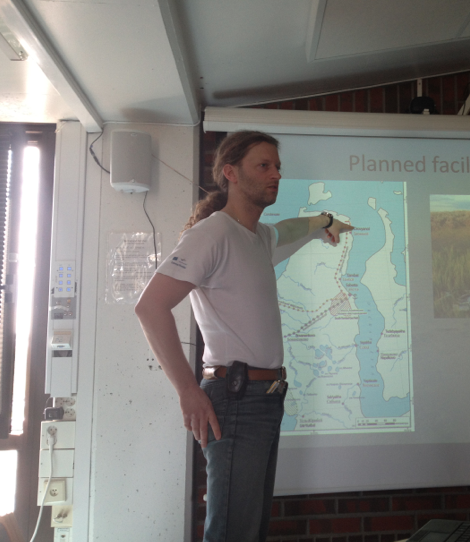 However, there might arise new and challenging overlapping claims as all nations have delivered their geological claims for extension of their continental shelves–claims to the commission on the limits of the continental shelf; nations adhere to the UN convention on the Law of the Sea (UNCLOS); still dependent on regional or bi-lateral agreements in the end.
–Predicting the future of international relations–it is about understanding history and social dynamics, understanding when potential conflicts may arise.
–Why are no licenses awarded around Svalbard — In the opened parts of the Barents Sea and the potential Barents North, the Norwegian Petroleum Directorate estimates resources of …
–Licenses to the borders in the south from the Norwegian EEZ, in the West from Greenland and the East from Russia. Svalbard, a special judicial and political case…
–History of Svalbard. Norway had the potential to assert its legitimacy as a sovereign that could enforce the third party rights. Svalbard Fisheries Protection Zone (FPZ).
Hydrocarbon Exploration in the European High North
–The “Soria Moria Declaration” of 2005
–The industry is a powerful political actor
–Norway also has a great tradition for close cooperation and links between industry, unions, and the politicians and bureaucracy (e.g., Seip, Bull, Sejerstad)
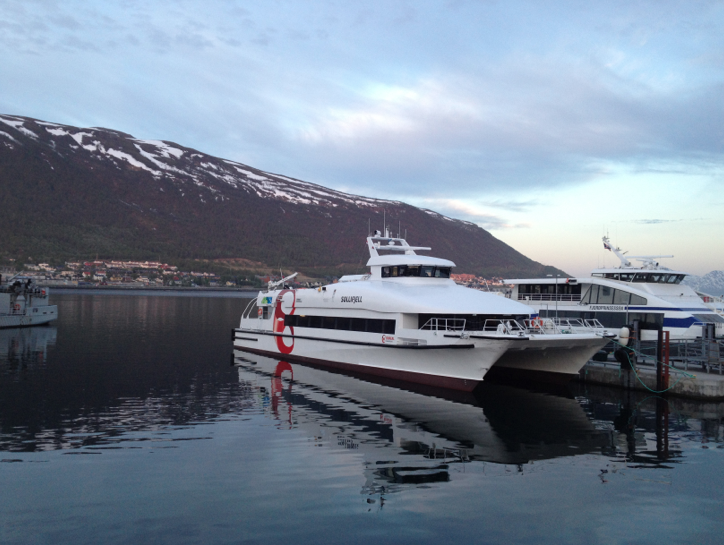 Greater trend of nationalization of the oil and gas industry
–From the Seven Sisters to the NOCs era
The Barents and the Disputed Area
The two governments were able to come to agreement — DNV’s Barents 2020 helped to create an agreement for the delineation.
The case of Svalbard and hydrocarbon Exploration: The maritime areas around Svalbard should it be regulated by the Svalbard Treaty — If the maritime areas around Svalbard becomes regarded as part of the Svalbard Treaty — Norway must give the citizens and companies of the signatory nations equal rights to the resources– Norway will most likely not be able to adopt a nondiscrimination petroleum management parallel to the fisheries regime based on historical activity. Taxation cannot be higher than needed to administrative Svalbard. No Norwegian Taxation, no Economic Incentive for the State. Norway as a responsible environmental actor: Svalbard, internal political compromise (Svalbard-Lofoten/Vesteraalen).
The Potential influence of the industry — Does this mean that there are no prospects for hydrocarbon exploration and exploitation at Svalbard and in the maritime areas surrounding the islands…
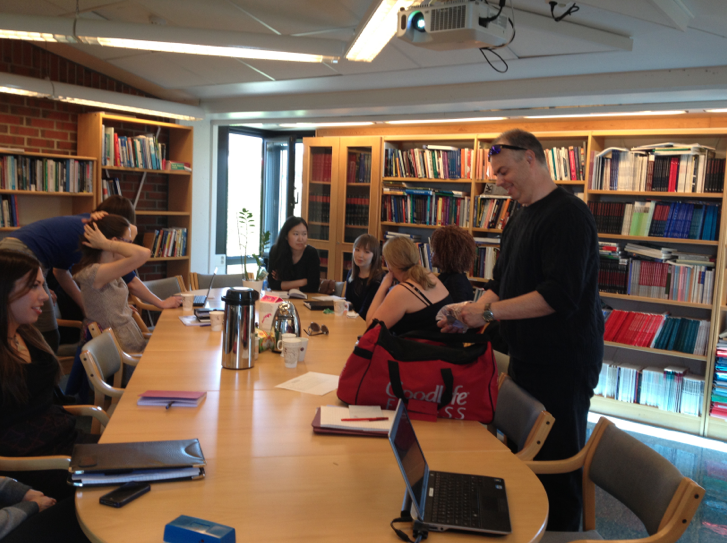
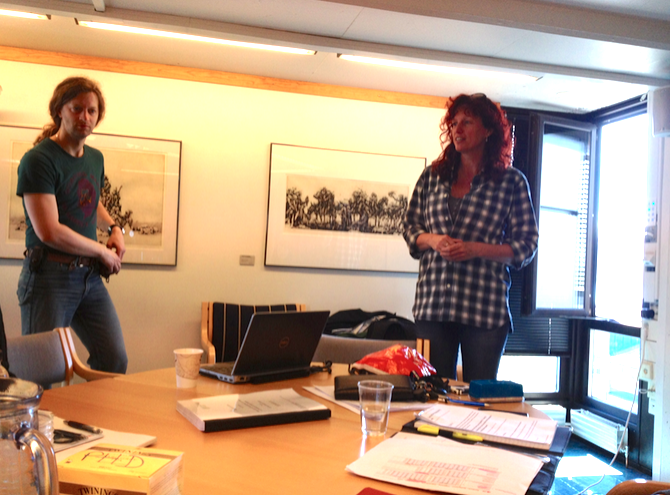 5/27: Getting started here, finally operating with an internet connection so that I can jot down notes along the way…. Gunhild Hoogenson-Gjorv, U Tromsø, giving introductory remarks with Florian Stammler, Arctic Centre, Rovaniemi talking soon more about the theme.
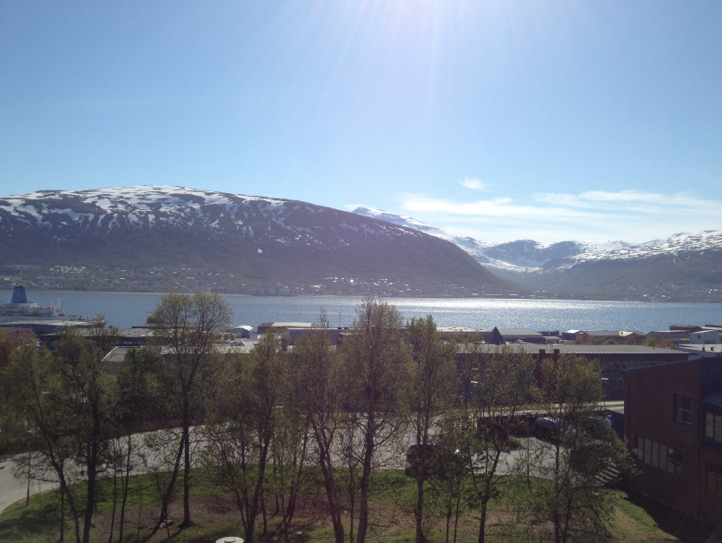
Beautiful day in Tromsø.
10.00-12.00 – Introduction to Cumulative Effects of Extractive Industrial Development
Gunhild walking over some logistics issues, requirements for receiving credit, schedule, university priorities, and all those good et ceteras. Florian now up discussing the goals of U Arctic — to promote a northern voice in the globalizing world that reflects a shared regional identity across all eight Arctic states and among all Northern peoples and cultures. A little bit of history, acknowledging Jessica Shadian‘s input in establishing an Extractive industries Course, Bodø, early 2011, and then again an Arctic Dialogue-Greenland workshop, Sept. 2011, and then, Human Resource Issues in Extractive iIndustries, St. John’s NL, Canada, Sept., 2012. Our meeting is the fourth installment.
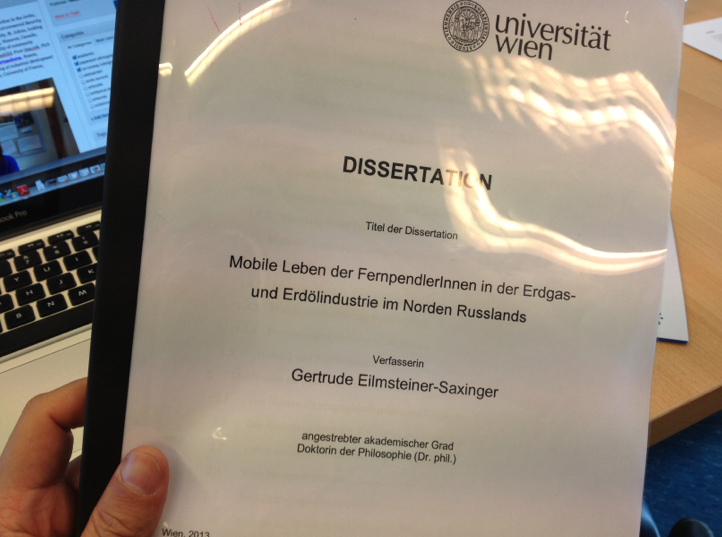
 Okay. Introductions: Florian, works in the Russian Arctic, Western Siberia and Northwest Russia, oil and gas extraction in the Arctic, on-shore, western Siberia; Gunhild, multi-actor approach to security issues, its meaning in different contexts — Environmental Security in the Arctic, edited volume coming out on Routledge soon; Heather Clarke, PhD graduate student, Memorial University, St. Johns, looking at migrating communities in the North; Tara Cater, also Memorial University, grad student, looking at mining, Nunavut, Canada; Elena Nuykina, working on the Russian North, coal mining community, PhD topic through Vienna [?], viability of community engagement and in migration flow from new megaprojects; Marina Goloviznina, postdoc, working with Gunhild; Piotr Graczyk, PhD student, U Tromsø, looking at Arctic Council governing frameworks, how interests are structured; Daria Burnasheva, Russia, Yakutia, MA thesis on visual representations of the North; Valeria Zamorshchikova, PhD student looking at industrial development in the north through economic and social perspectives; Mercy Oyet examining community transportation; University of Vienna, Gertrud Eilmsteiner-Saxinger, fly in and fly out, conceptualizing normalities, to develop postdoctoral work; Gordon Cook, faculty at Memorial University, examining urban-rural-remoteness.
Lunch.
13.00-17.00 – Environmental Impacts: data from ecology and ecotoxicology
Geir Gabrielsen – Senior Research Scientist, Norwegian Polar Institute, The effects of industrial pollution on Arctic ecosystems and people.
Introduction: More industry in Northern Hemisphere than Southern, so more Arctic haze, more industrial activity affecting the Arctic. Contributions to climate change. Arctic climate trends: rising temperatures, increasing precipitation, declining snow cover, rising river flows, thawing permafrost, melting glaciers, retreating summer sea ice, rising sea level, ocean salinity. The most dramatic event, reduced summer ice on the Arctic, linked to black carbon.
 With regard to biology. Animals living in multiyear versus annual ice, but very little ice left in the Arctic basin, 10-20 percent. Only in Northern Canada is multiyear life available. Seals will not be up on the ice, which are food for polar bears, ivory gull, some species will thrive others will die. Atlantic species are moving north. Arctic species are dying. Lower quality food moving into the Arctic, which has implications for mammals in the Arctic. Arctic Monitoring and Assessment Program has more reports (see website).
Silent Spring, Rachel Carson (1962); Our Stolen Future, Theo Colborn et al. (1996); Silent Snow: The Slow Poisoning of the Arctic, Marla Cone. “Arctic Paradox” — traditional diet of Inuits has health benefits but exposes them to dangerous levels of pollutants. “Inuit never had a word for pollution and now are subject to toxins”. Chemicals, everywhere in everyday life. 110,000 different types of chemicals on the market. The Reach Program — force companies to determine the impact of chemicals. Making consumers aware of the chemicals they consume, “average of 200 industrial chemicals and pollutants in umbilical cord blood from 10 babies born…in 2004 in US hospitals”.
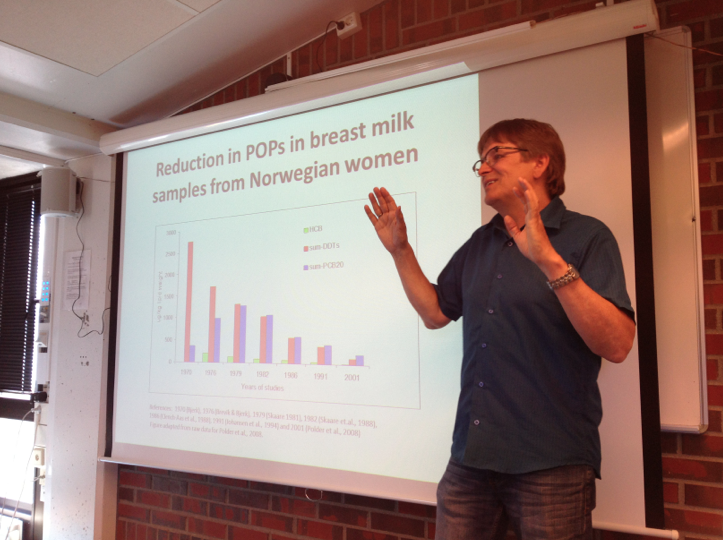
 Not easy to make a relationship between chemicals and incidence and pattern of diseases in humans– osteoporosis, appears to be related to pollution as with obesity (based on comparisons with seals in the former).Regulation is really helping — Reductions in POPs in breast milk samples from Norwegian woman. “Coming up with findings of bad chemicals affecting animals in the Arctic, which is a hard card on the table to get rid of it from the market”. Consumer info webpages: Kliff.no, erdetfarlig.no, gronnhverdag, healthystuff.
Four Aspects of Criteria: Chemicals are accumulating in the food chain, that they are persistent, present in the Arctic, toxic effect. The most difficult part is demonstrating effects on animals (immune system, reproductive system).
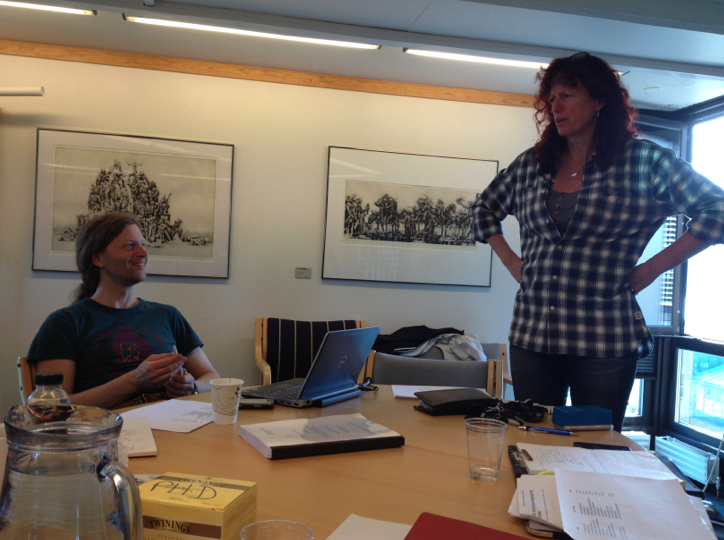
Øyvind Ravna, Professor Dr. Juris, U Tromsø – Mining, human rights, and local autonomy in Sápmi
Sami protest against building the dam in the Alta river area, and despite the protests did not manage to stop the dam’s construction. The protests began creating a stir in the Norwegian public sphere. One result is the government began investigating Sami rights. 2005 Finnmark Act– through prolonged use of land and water areas, Sami have collectively and individually acquired rights to land in Finnmark; Act does not interfere with collective and individual rights acquired by Sami through prescription (collective rights results in self determination and individual provides individual rights from the state); a commission should be established to investigate the rights.
 Convention on Biological Diversity–Article 8(j) commits Norway to: — “respect, preserve and maintain knowledge, innovations and practices of indigenous and local communities embodying traditional lifestyles relevant for the conservation and sustainable use of biological diversity”. Article 15 (2) says that in cases where the State retains the ownership of minerals, which is the case in Norway: “governments shall establish or maintain procedures through which they shall consult these peoples, with a view to ascertaining whether their interests would be prejudiced…”…”shall wherever possible participate in the benefits of such activities”. ICCPR Art. 27 — In those States in which ethnic, religious or linguistic minorities exist, persons belonging to such minorities shall not be denied the right…to enjoy their own culture…
 Up now is Natalia Loukacheva, First Visiting Nansen Professor of Arctic Studies, U Akureyri, Extractive Industries and Arctic Indigenous Peoples’ rights to land and natural resources: Diversity in economic development, population numbers — we deal great diversity in geographical location and contact with extractive industries. Permanent participants of the Arctic Council.
5/26: Coming in from the South…w/ wifi en route…

Posted in Paparazzi Ethnography on May 10, 2013| Leave a Comment »

Images from the movie Sky Captain and the World of Tomorrow —


Internal Empires
World of Tomorrow #1


My first ever glimpse at an island of inland empire occurred while flying over Kodiak Island, Alaska. There, beneath my plane, I saw Terror Lake, a dam built directly at the center of the island to provide hydro electric power to Islanders. In my role as cultural anthropologist, I was interviewing residents about life-ways and history.
When I saw Terror Lake, I realized that that something was going on behind my back. A vast techno-scientific plot, a schema that afforded me the bio-capacity for interviewing informants in winter, in a warm room, with “lights on” and electricity for my recorder.


World of Tomorrow #2
— Kodiak’s Terror Dam
I became aware of the existence of Islands of Inland Empire.


I snapped the photographs below at the Gazprom installation at the St. Petersburg Economic Forum in St. Petersburg, Russia. They depict the proposed Teriberka Liquefied Natural Gas installation, a futuristic techno-scientific off-loading facility for developing the Arctic off-shore Shtokman energy project.
World of Tomorrow #3


It is a world of tomorrow, an Arctic Inland Empire.
These are images of a modern world hidden at the very center of far away islands. Its technological wonder is remote, especially for villagers living along the shores of these inland empires.


Teriberka is located along the Arctic Barents Sea in Russia. Arriving to the village took us five hours drive from Murmansk. Villagers live amidst modern day ruins.
They also live in expectation that the Shtokman off-shore energy project will bring a new modernity:


Toward a new modernity:
The following are a set of maps and charts — a future of development ensures Teriberka’s fate. A village, cast off to the side of the road, will make room for the future.


The Future as seen from Space.


At the center of an international agreement:

One of the more famous examples of an Inland Empire derives from the James Bond movie, Doctor No. In this film, a beautiful island paradise, Crab Key Island, is the location for a notoriously sinister Dr. Julius No, Ph.D., who has installed an ultra, ultra modern facility directly in the center of the island.

The Facility of Dr. Julius No located in the center of Crab Key
The entire island is merely a mask for the techno-scientific form.

Crab Key

James Bond arrives to Crab Key Island


“Vast Complexity” of inland empires requires they employ many types of knowledge workers — architects important at the design phase, engineers ensuring the facility operates at maximum specification of reliability, less skilled workers responsible for mundane functions which still require sober attitudes.
I would not be surprised if inspiration for 20th century inland empires derives from nineteenth-century novel by H. G. Wells, The Island of Dr. Moreau. In that book, alongside its many film adaptations, another mad scientist tries his hand at god-like creations.

World of Tomorrow #4


In the video game titled Skies of Deception the final battle takes place on an Island of Inland Empire.
Aurelia is a peaceful nation currently under siege from its northern neighbor, Leasath, under the command of strong man, Diego Gaspar Navarro. Leasath’s advanced super weapon – the Gleipnir Flying Fortress has decimated the Aurelian military.
Gryphus Squadron, led by ace fighter pilot Gryphus 1 is Aurelia’s last hope for liberating the country. The final battle takes place at Terminus island.


Island of Inland Empire
Cobalt Cave
The Aurelian Navy infiltrates the compound to disable the Fenrir Optical Camouflage.

Entrance to Archelon Fortress on Terminus Island

Inside to Archelon Fortress on Terminus Island

Transmitter at Archelon Fortress on Terminus Island
Archelon Fortress
The Leasath Navy reaches land, where they open the electric power transmitter gate, allowing Gryphus 1 to destroy the Fenrir Optical Camouflage. They proceed to the fortress and withdraw when it is close to exploding.
Years ago, when I became aware of the hydropower installation at Terror Lake, on Kodiak Island, Alaska, I became concerned, as if all of a sudden, that the kind of study I was carrying out was in certain respects naive.
There I was, interviewing Islanders who lived in my romanticized ideal as rural folk. But they do have access to electricity. We used electricity to speak with each other. We used electricity to look at one another. We used electricity to hang out together. Without electricity, my interviews would cease.
But all the while, it never occurred to me to think about this peculiar relationship between on the one hand, my idealized image of rural lifestyle and the certainty that this lifestyle was connected to and supported by a powerful scientific-technocratic form that was sitting nearby silently, humming away, at the center of the island. It was only until I flew over it, and saw what spectacle that was there, in the physical form, that I asked: Who put this here? And if such marvel exists, then what is going on here, in the center of the island, a topic on which no one I knew had any clue. My informants and I lived around the perimeter, entirely dependent upon– this ultra, ultra modern techno-scientific form.
This connection between, on the one hand, (self) ignorance of the conditions that support ambient energy, and on the other hand, the actual conditions that create the sense that ambient energy is just that, ambient without actual conditions, came as a surprise.
In Islands of Inland Empire, I examine the curious condition of islands whose physical core has been refashioned into a highly technological and scientific form, and whose functioning depends upon the presence of scientists and technocrats, who do not seem to be affiliated with a university or any surfacially observable network of knowledge. Everything appears to be operating on innovation that is self-enclosed and ideologically self-sufficient.
When does all this construction take place and by whom and who funds it all?
Who are the architects that come up with such ideas?
Posted in Paparazzi Ethnography, tagged Helsinki, St Petersburg on May 7, 2013| Leave a Comment »
5/19-25/ Intensive Energy Course
Many thanks to Laura Lakso for her editorial review!


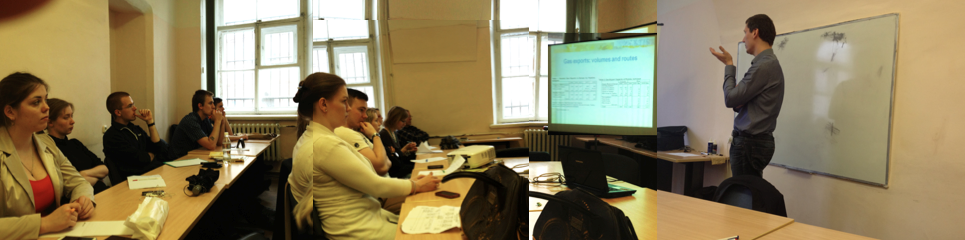


 5/20-25: Our session began with an introduction and welcoming remarks by FINEC’s (St. Petersburg State University of Economic and Finance) Rector’s assistant Alexandra Drugova. We then heard from economist, Pavel Metelev, on principles of energy economics, basically, an introduction classical economics and the global energy mix.
 I refer to his speech verbatim: Neoclassical economics is about scarcity – about how we manage to allocate scarce resources.
All resources are scarce.
International economics is how we allocate scarce resources on the national level. If it is not scarcity it is not economics. Economics is the social science that analyzes the production distribution (transportation) and consumption. General discussion on the economics of John Maynard Keynes.
 Pavel proceeded with principles by N. Gregory Mankiw: NeoClassical economics does not work in real life, created in a frictionless world. Not an exact science, more like philosophy. So, social tests do not replicate well.
10 principles.
People face trade-offs (environment vs. high level income or efficiency vs quality); opportunity cost—cost of something is what we give up to get it (building a pipeline vs what could be built); rational people think on the margin; people respond to incentives; trade can make everyone better off; markets are usually a good way to organize economic activity; government can sometimes improve market outcomes; a country standard of living depends on the ability to produce goods and services; prices rise when government prints more money; Friedrich List, infant industry theory. Ideas influence people.
 Turning now to Neo-institutional economics. Keynes – and the first period of natural gas. Regulation. Industries will work efficiently under government control. Competition- second period of natural gas. Transportation is natural monopoly in Russia but not in European Paradigm – public monopoly.
Paradigm – competition. All ideas are temporary – risk bearing is primary.
Turning now to Neo-institutional economics. Keynes – and the first period of natural gas. Regulation. Industries will work efficiently under government control. Competition- second period of natural gas. Transportation is natural monopoly in Russia but not in European Paradigm – public monopoly.
Paradigm – competition. All ideas are temporary – risk bearing is primary.
Principle. Theory of the firm (transactional costs). Property rights – the most important institution– sets the criterion of efficiency. With competition you can do incredible things.
 Constantine Leshenko –
Creating markets for energy – stimulating consumption to get folks hooked on energy (Rockefeller giving out oil lanterns, etc.).
Uses of energy.
Constantine Leshenko –
Creating markets for energy – stimulating consumption to get folks hooked on energy (Rockefeller giving out oil lanterns, etc.).
Uses of energy.
Now up is the main instructor, Aleksanteri wizard, Tapani Kaakkuriniemi, giving a history of the object.
 Baku—1848 first oil wells drilled. First mechanically drilled oil wells in the world, growing demand for paraffin in Russian Empire. USA production started 13 years after Baku. Every day phenomena how to light the room.
Oil lamps were being developed on the basis of paraffin. Tens of years with quite modest oil market to develop.
When the findings were repeated in the same area, and more oil was seen as available, engineers began creating refining industries, in Baku and USA. 1858 first refinery in Canada (oils springs, Ontario). 1861 first paraffin factory in Baku, 1867 15 oil refineries and by 1873 already 50 in the Apsheron oil field, Baku.
 In the 1880s oil production in Baku was outstripping the oil industry of USA moving toward modern capitalist production. 1898 Azerbaijani oil industry exceeded the US production level 8 million tons were produced. 1904 Baku kerosene supplied 47 percent of the needs of Britain and 71 percent of the needs of France. 1884 Council of Baku oil producers –
1) protection of the oil producers interests in government bodies
2) provision of high profits to the oil magnates
3) establishment of opposition to labor movement
In the 1880s oil production in Baku was outstripping the oil industry of USA moving toward modern capitalist production. 1898 Azerbaijani oil industry exceeded the US production level 8 million tons were produced. 1904 Baku kerosene supplied 47 percent of the needs of Britain and 71 percent of the needs of France. 1884 Council of Baku oil producers –
1) protection of the oil producers interests in government bodies
2) provision of high profits to the oil magnates
3) establishment of opposition to labor movement
 Four main companies in Baku: Branobel (Nobel brothers); Russian General Corporation; Transnational Trust Royal Dutch Shell; financial oil corporation Neft; Caspian-Black Sea Society. Motives of oil production in Baku. –Business opportunities
Development of capitalist mode of production.
Four main companies in Baku: Branobel (Nobel brothers); Russian General Corporation; Transnational Trust Royal Dutch Shell; financial oil corporation Neft; Caspian-Black Sea Society. Motives of oil production in Baku. –Business opportunities
Development of capitalist mode of production.
Modernization of Russian society . Tax revenue Competitive with American producers, Formation of European oil market.
 Russian developments. 1963—Glavtyumenneftegas and Glavtyumenneftegastroy were established
; 1972 the construction of the biggest national oil pipeline Samotlor-Almetyevsk commenced.
Russian developments. 1963—Glavtyumenneftegas and Glavtyumenneftegastroy were established
; 1972 the construction of the biggest national oil pipeline Samotlor-Almetyevsk commenced.
1970s focus of energy production moved from the Caspian sea to Central Western Siberia. 1984 USSR became the number 1 gas producer. 1984 transcontinental gas pipeline Western Siberia Western Europe was opened in the final phase. Its length exceed 20,000km.
Problem 1 necessity to upgrade oil and gas complex by implementation of advanced technologies; Problem 2 social problems onrush growth of local population so social estimation was made. Motives of energy production in Siberia. Growing demand at home . Rapid industrialization. Development of technology . Extensive growth only (no intensive growth or efficiencies) . Showing expertise in extreme condition. s Exploration of the effects of permafrost . Superpower aspirations

 [What are my own principles now that the topic arises?
• Alliance between theoretical and structural positions;
• Techniques reduction of complexity to kinds of simplicity that serve the basis of decision making;
• Create forms of communication that facilitate collusion;
• Markets are future oriented while regulation is historically situated]
Barents sea region Arctic Wells (website) –Dec. 2012 “Norway’s licensing round has attracted strong interest from the oil industry, with 36 companies bidding for offshore exploration blocks located mainly north of the Arctic circle”.
The Ministry of Petroleum and Energy is due to announce the results before the summer of 2013. Out of 86 blocks to be awarded, 72 are located in the Barents Sea, the most northern of which are between the 74th and the 75th parallel.
Putin 2012 “development work at the field would begin in 2017”

 Mohammed Zakri– vice president for Total’s upstream activities in Russia, said he had no doubt “an engineering solution to produce it” would be found.
In Yamal, harsh climate conditions have compelled Gazprom to test new solutions. Utilization of integrated production infrastructure for gas extraction; heat insulated pipes for wells construction and operation with a view to preventing the permafrost rocks thawing; reduction in the number of monitoring wells through combined monitoring over development of various deposits in wells; new welding technologies and materials; brand new energy saving equipment with an efficiency coefficient equal to 36-40 percent.
 Shtokman gas field. According to the Ministry of Natural Resources, the resources of Russia’s continental shelf comprise 13 billion tonnes for oil and 20 trillion cubic meters of gas. The Shtokman field is the world biggest undeveloped offshore gas field.
Its reserves are estimated at 3,800 billion cubic meters just over the 2010 global gas demand. Problem of the Russian-Norwegian border was solved 4 years ago. Or was it?
Marina A. Zen’ko – Contemporary Yamal Ethnoecological and ethnosocial problems in anthropology and archaeology of Eurasia, Spring 2004, vol. 42, no 4, pp-7-83.
 Here, Tapani refers to the works of Michael Ross –
1) Developing countries: there is loose money.
Oil gas and mineral rich states collect great sums of easy money, loose money, the state is the main actor, it is difficult to avoid the temptation to present in security systems and surveillance, tendency to a police state and violence, connection to arms trade.
Here, Tapani refers to the works of Michael Ross –
1) Developing countries: there is loose money.
Oil gas and mineral rich states collect great sums of easy money, loose money, the state is the main actor, it is difficult to avoid the temptation to present in security systems and surveillance, tendency to a police state and violence, connection to arms trade.
2) post industrial countries – state promotes drilling extraction through state-owned companies, or lets private corporations (Norway) to manage the business (USA); Strong global corporations may steer state policies, impact to world trade order and the system of international relations; heterogeneity (cf, Norway, Britain).
3) Economies in transition– resources fueling new welfare, state as the main actor, either through state-owned companies, or letting MNCs to manage the production and gather profits, tendency to strengthen state power (Russia) tendency to authoritarian rule (Turkmenistan, Kazakhstan), Increasing power through networking
 Pavel Metelev, again, Returns for another lecture. Recommends “free to choose” – economic show on internet. 10 parts. Globalization of gas markets – application of government approach, centralization, free market paradigm. Movie presenting Keynes and Hayak, rap, free market economics – fear of boom versus bust Keynes versus Hayak – rap. “lose the idea, lose the stimulus, you start to drink”— Production behavior. Redistribution or rent seeking behavior. To develop a good country favor an increased production behavior, but in fact Russia there is a rent seeking behavior.
 Central planned economics versus economic efficiency. You create the concept of efficiency.
Objective: create, increase, divide pie optimally and efficiently. Globalization – creates a global free market, where countries are actors. Measure of development – GDP that contributes to destroying the world.
Human development index, happiness index; Development – evolution of international trade theory. Resource allocation is very dynamic in nature. Endowments of natural factors. Influence of natural factors.
 The Tadeusz Rybczynski theorem – developed 1955 – Dutch Disease is the more complicated example of the Rybczynski theorem.
Energy and Government the two most important sectors in Russia. One profitable sector will destroy all other sectors. No incentive, not competition.
 Diversification. Russia moves in inspiration-idea based strategies
. Modernization, Diversification, [innovation] Clusters.
Diversification. Russia moves in inspiration-idea based strategies
. Modernization, Diversification, [innovation] Clusters.
[Make sure you talk about this. I break in and state: Spaces of intention – that were overlooked in United States, and then overnight you had natural gas production outside of its futures]. Diversification versus this system – collect money and diversification. Dutch disease – stuck in the Rot effect. Inherited industries that are not competitive.

 Gas – from German word “Ghosen” ghost.
From greek word “chaos”. Associated gas – selling gas to Gazprom was cheaper than the infrastructure to sell the gas, easier to flare it than pay the fine. But no longer. Different types of gas. Global exports 80 percent exports. 20 percent LNG exports.
Gas – from German word “Ghosen” ghost.
From greek word “chaos”. Associated gas – selling gas to Gazprom was cheaper than the infrastructure to sell the gas, easier to flare it than pay the fine. But no longer. Different types of gas. Global exports 80 percent exports. 20 percent LNG exports.
Energy Uncertainty– Uncertain futures. Nuclear energy; rapid depletion of main world fossil fuel energy deposits; environmental problems, generally related to the use of conventional sources of energy.
 Inability to optimally and efficiently meet the projected global energy demand in coming decades by the means of using conventional sources in energy. “New energy doctrine” – question of time, inevitable transition to new energy doctrine coming 50- 100 years. Transition period – what energy source – the growing uncertainty in the global energy market. Russian theory – during the 1980s developed the idea of a “gas bridge” as a transition period to renewables.
 Improve efficiency of power generation, reduce CO2. “Golden age of Gas IIEA report”. Global Gas Market —Transition to this golden age of gas pushes forward the process of gradual integration of different regional natural gas markets. As the result the integration process should lead to creation of global gas distribution system. Global oil markets exist—free pricing, flexibility of supply and market liquidity. Lower transaction costs. Clean Coal – versus natural gas. LNG – Shale gas.
Indeed only LNG is able to change this regional paradigm mostly based on bulky pipeline projects. Therefore, LNG is the main driving force and the main impetus of globalization of gas markets. 32 percent of LNG – transition from regional to global.
 Up now, we have the talented Olga Garanina
, economist talking about Dutch Disease (Russian Case) – Theories of resource dependency;
Energy exports are really important for countries – 66% for Russia even more dramatic for ME exporting countries, Venezuela.
Up now, we have the talented Olga Garanina
, economist talking about Dutch Disease (Russian Case) – Theories of resource dependency;
Energy exports are really important for countries – 66% for Russia even more dramatic for ME exporting countries, Venezuela.
90% for some countries.Imports of oil big for western states are big- 30% Dynamics of oil prices are volatile – speculation of financial markets. But predictions are important for export countries.
 Resource dependency – 1950 Hans Singer, terms of trade for primary commodity exporters have a tendency to decline. If a country is exporting raw materials – developing countries have a disadvantage position in world trade, because price of raw materials is declining, so they will have weaker results in growth—but does not work in comparison to oil/gas because the price is not going down.
Dutch disease — Discovery of new natural resources a boom in prices leads to negative consequences of other tradable sectors, leads to destruction of other internal industries.
 Imports start to compete with internal production leading to decline of diversity in production. Longer term affects – resource curse.
Resource curse caused by diversions of financial resources. Rybnmjinsky theorem . Theory which allows us to understand international trade. Country can have in abundance endowment in labor, resources. Depending on what, it will export whatever good that it uses its abundant factor intensively. How changes in country’s endowment will affect its production structure will evolve. Capital, qualified labor, non qualified labor. Dutch disease: (1982 Cordon and Neary).
Manufacture of tradables, energy; Manufactory sector will sink, because of the resource sector; Dutch disease in Russia Currency, profitability in sectors in economy.

 Up now we have Tapani – speaking on renewables.
Renewable energies. And now Pavel Metelev
on General Questions – Shale gas. Shale gas exploration in Poland. Energy General Concepts. How we count energy – btu = some other equivalents; 1 toe = 41.87 gigajoules. Primary energy, secondary energy. People recognize that we are undergoing a transitions, and that there is a certain inevitability in that. And that folks know and are willing to know, that is the issues.
Up now we have Tapani – speaking on renewables.
Renewable energies. And now Pavel Metelev
on General Questions – Shale gas. Shale gas exploration in Poland. Energy General Concepts. How we count energy – btu = some other equivalents; 1 toe = 41.87 gigajoules. Primary energy, secondary energy. People recognize that we are undergoing a transitions, and that there is a certain inevitability in that. And that folks know and are willing to know, that is the issues.
Olga Garanina is now up talking about Russian energy strategy. Adopted in 2009. Major problems in the field of energy security (according to energy strategy 2030); High degree of fixed assets depreciation in the fuel and energy complex; Low level of investments in the development of the fuel and energy complex; Sole dependence of the Russian economy and its energy sector on natural gas; (underdevelopment) Failure of the industrial potential of the fuel and energy complex to match the world scientific and technical level, including in terms of environmental standards; Slow development of the energy infrastructure in the Eastern Siberia and Far East; Prepared policy as national strategy – National energy plan. Legislation to make something happen.
 [Another thing: When you look at the image of the “pipe timeline forecast”, you can say several things about it—that it is focused on production, that it is not focused on consumption, there are no prices for its consumption. Just that it would get built and people would come. This is really important. You want to interrogate the actual time, and what the time is actually saying! Go back to the original PPTs, and look at them closely. It is a particular kind of path dependency]. Communicating development, communicating futures. Communicating growth. Communicating knowledge of the future. – and the interests that accrue.
Okay. Now up we have Veli-Pekka Tynkkynen, U Helsinki, Geographer. Natural resource use and environmental research and environmental planning. Aleksanteri (Tampere included, international relations) – Finnish center of excellence. 7 years funding mechanism.
 High standard project.
Looking at Russian program and academic discussion of modernization. What it means in Russia and how it is built— Clusters (1)Diversification of economy. Energy plays a role in diversification of society
(2) How does Russia move to a market society given its pact with society as an authoritarian policy and practices.
(3) Welfare regime – the standard that people ask of the state increases, funding issues and price of oil.
(4) Considers foreign policy, how it wants to be seen on the international arena, condition of soft power. (5) rationality and culture – historical roots of Russian thinking—attitudes and stakes.
–First cluster—research on energy policy research. Markku Kivinen and Pami Aalto. A model for considering energy policy situation.
Describing the energy policy formation – and does it in a very proficient way, characterizing the framing, structuring and mind set conditions – of looking at a microscopic view of the project. Energy policy formation. – Ends up reproducing the policy process or changes the policy.
Cluster one – energy policy. Veli Pekka’s interest: Can Russia become an environmentally sound position. Environmental issues between EU and Russia, energy trade and dialogue. Social and environmental responsibility issues. Environmentally sound energy transport on the Baltic Sea.
 Russian electricity energy markets. And the electricity sector. Does Russia suffer from Resource curse or not? Is energy sector the main actor that should modernize Russia. Climate change denial – between Russia and America. Climate doctrine versus policy. How strategy as a tool is understood in Russia. Russian Energy and Security up to 2030 Routledge November 2013.
 Energy Trade
Dependencies and interdependencies in EU – Russia energy trade; Strategy: Consumption and export issues.
Goal, substituting domestic consumption of hydrocarbon by increasing the use of coal, nuclear power and RES in order to export hydrocarbons. Enhancing energy efficiency promotes objectives set on exports. 75% of oil (60% of crude exported (production 500 mt/y), 85% to the EU; 30 % of gas exported, 75% to EU
30 % of coal exported, 70% to EU
1.5 % electricity exported, 80% to Finland. Russia’s pricing strategies:
Oil export volume more important than price
–Urals Europe’s primary oil brand during the 1990s and 2000s.
Energy Trade
Dependencies and interdependencies in EU – Russia energy trade; Strategy: Consumption and export issues.
Goal, substituting domestic consumption of hydrocarbon by increasing the use of coal, nuclear power and RES in order to export hydrocarbons. Enhancing energy efficiency promotes objectives set on exports. 75% of oil (60% of crude exported (production 500 mt/y), 85% to the EU; 30 % of gas exported, 75% to EU
30 % of coal exported, 70% to EU
1.5 % electricity exported, 80% to Finland. Russia’s pricing strategies:
Oil export volume more important than price
–Urals Europe’s primary oil brand during the 1990s and 2000s. 
 Gas: Export price more important than volume
–Russian gas has become the most expensive baseload energy sources on the European market during the 2000s. Electricity export price more important than volume
–from 2012 — RAQ UES has sold to Finland (RAO Nordic) not the maximum volume but reduced flow during peak hours. Get overall understanding of geopolitical issues related to pipeline policy. EU energy relations— Energy Superpower; Geopolitical objectives. Gazovyi Imperator (2010) – journalist advocating energy superpowerness.
Gas: Export price more important than volume
–Russian gas has become the most expensive baseload energy sources on the European market during the 2000s. Electricity export price more important than volume
–from 2012 — RAQ UES has sold to Finland (RAO Nordic) not the maximum volume but reduced flow during peak hours. Get overall understanding of geopolitical issues related to pipeline policy. EU energy relations— Energy Superpower; Geopolitical objectives. Gazovyi Imperator (2010) – journalist advocating energy superpowerness.
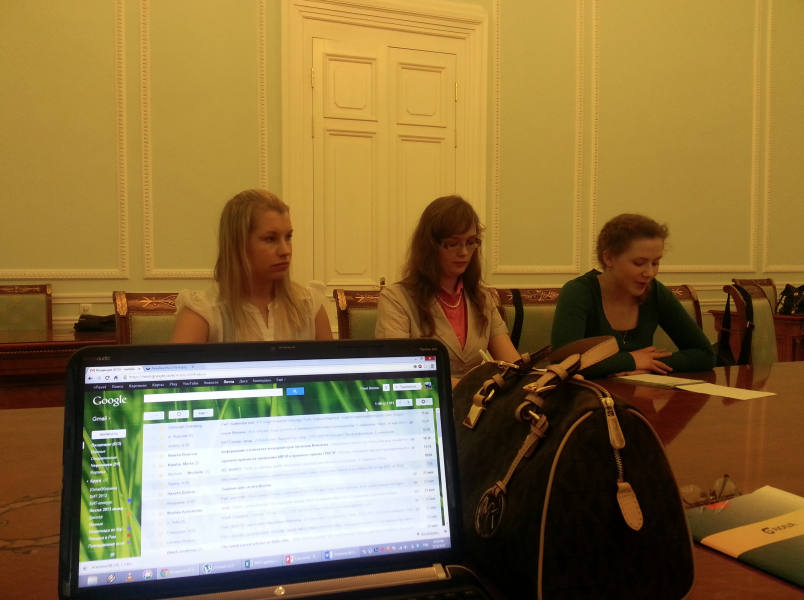 Friday — Veli-Pekka.
Environment in the EU-Russia energy relations; Environment and EU-Russia energy dialogue. Energy Dialogue started in 2000, legal basis in 1997 “EU-Russia agreement on partnership and cooperation”. Between 2001-2004 the environmental dimension of energy was explicitly on the agenda thematic group on Energy Efficiency and the Environment.
Friday — Veli-Pekka.
Environment in the EU-Russia energy relations; Environment and EU-Russia energy dialogue. Energy Dialogue started in 2000, legal basis in 1997 “EU-Russia agreement on partnership and cooperation”. Between 2001-2004 the environmental dimension of energy was explicitly on the agenda thematic group on Energy Efficiency and the Environment.
 After 2004 the environment disappears as an explicit agenda thematic group on Energy Efficiency – focus on the economy and climate change mitigation. Energy Sector modernization as an umbrella—gas flaring reduction and promotion of renewable energy as specific tools.
Flaring of gas from space. Russia’s flaring reduction policy; Environmental NGOs— Why research on governmentalities in the Russian energy sector is interesting… from democracy “trap” to modernization and ecological “traps”.
Presentations –
 Poland
— Raili Virtanen, Kai Raotsalainen, + :
Dependency on Russian gas; Finland requires alternatives. Poland, wants to become an independent supplier, energy strategy. Doing business together, bigger role in European market, provide gas and other energy types to energy types and EU. And not dependent on one country. We have approx. 800 billion cubic meters on Shale gas. Since Finland would benefit the most as the first country. Compared to Russian gas, shale gas would be cheaper. Both members of EU. We have a few options. Shale Inc. was evaluated as the best company. Environment was an important part of our decision, and coal is used – and shale gas is dangerous but the shale company is transparent and open and risks. More ecological than coal.
Poland
— Raili Virtanen, Kai Raotsalainen, + :
Dependency on Russian gas; Finland requires alternatives. Poland, wants to become an independent supplier, energy strategy. Doing business together, bigger role in European market, provide gas and other energy types to energy types and EU. And not dependent on one country. We have approx. 800 billion cubic meters on Shale gas. Since Finland would benefit the most as the first country. Compared to Russian gas, shale gas would be cheaper. Both members of EU. We have a few options. Shale Inc. was evaluated as the best company. Environment was an important part of our decision, and coal is used – and shale gas is dangerous but the shale company is transparent and open and risks. More ecological than coal.
Two questions – export of Poland, what are you plans about building export capacity. Social acceptability of increasing gas production in Poland. Increasing share of gas in Poland energy mix may have some negative consequences for coals consumption – what is your social strategy for unemployment in coal. We are discussing possible energy projects in trade – rapid expansion could increase social risks from reductions in labor.
 Green Peace
— Leena Fedotov, Tino Aalto: Ground water contamination – statistics — pPrivate company cannot take care about our drinking water. In the United States that have complained about ground water production – Government must control the groundwater – include that the company requires some kind of technical capacities. Contamination will kill people. Government must have tight control over tax production, and that revenue sharing for local communities. Energy Strategy. Besides energy development – we should be moving toward renewable panels. Solar would be better. So we should start relying on solar panels.
Green Peace
— Leena Fedotov, Tino Aalto: Ground water contamination – statistics — pPrivate company cannot take care about our drinking water. In the United States that have complained about ground water production – Government must control the groundwater – include that the company requires some kind of technical capacities. Contamination will kill people. Government must have tight control over tax production, and that revenue sharing for local communities. Energy Strategy. Besides energy development – we should be moving toward renewable panels. Solar would be better. So we should start relying on solar panels.
 We have heard that you have an interest in revenue sharing for local communities from production of gas – do you have any specific proposals to promote renewable energy. We are concerned that government use of funds are not the most capable of incentivizing business activity.
 Russia —
We will present the worlds largest exporter of natural gas, Gazprom. Present a long term contract – economic terms of buying our gas. We now have a competitor from Poland, accountability and reliability. Accountability in securing supply and appreciate your past commitments. We have been thinking of creating closer ties to the European Union, perhaps through NATO establishing military installations in Finland, primarily for dealing with threats of ballistic missiles from the middle east.
Russia —
We will present the worlds largest exporter of natural gas, Gazprom. Present a long term contract – economic terms of buying our gas. We now have a competitor from Poland, accountability and reliability. Accountability in securing supply and appreciate your past commitments. We have been thinking of creating closer ties to the European Union, perhaps through NATO establishing military installations in Finland, primarily for dealing with threats of ballistic missiles from the middle east.
We wanted to be ensure that Russian government would be committed to accountability in terms of security of supply. How would you ensure to us that you would not use energy as a weapon to discourage our tightened relationship with Western Europe.
 Shale gas Inc —
Drilling technique without environmental hazards. We implement in 5 areas of rural America – Liberalization of economy, shale law will follow market law, dealing with environmental hazards. Flexibility of contracts. Unfortunately – a long a cold winter in Finland.
C02.
Shale gas Inc —
Drilling technique without environmental hazards. We implement in 5 areas of rural America – Liberalization of economy, shale law will follow market law, dealing with environmental hazards. Flexibility of contracts. Unfortunately – a long a cold winter in Finland.
C02.
Posted in Paparazzi Ethnography on May 7, 2013| Leave a Comment »
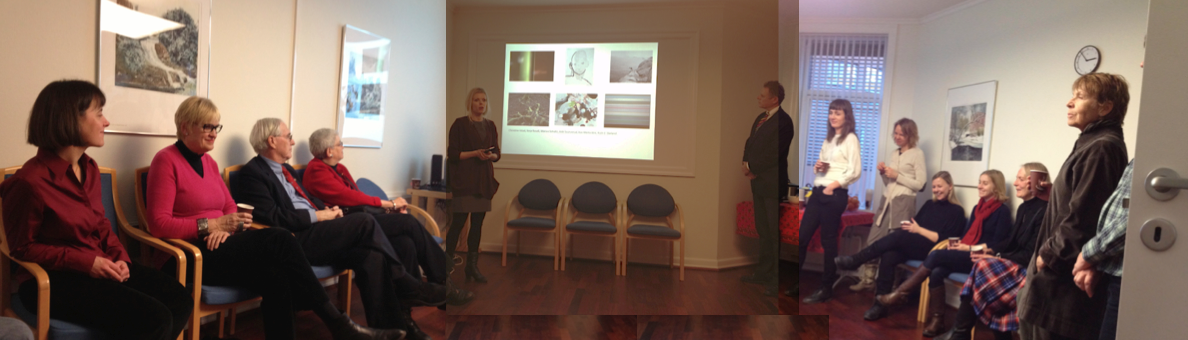
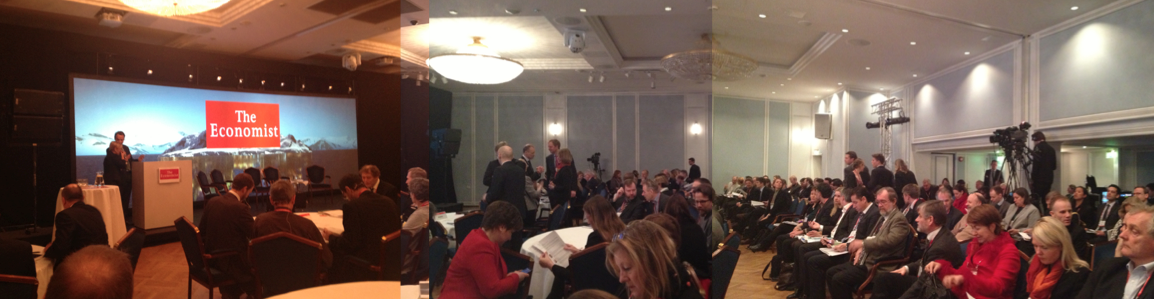
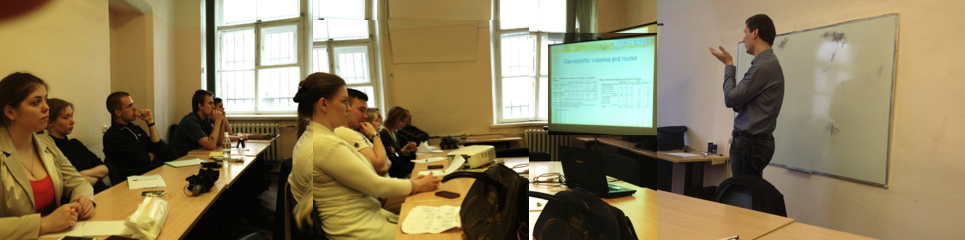
Salon: a gathering under the roof of an inspiring host, held partly to amuse one another and partly to refine the taste and increase the knowledge of the participants through conversation (Wiki).











Posted in Paparazzi Ethnography, tagged Helsinki on April 29, 2013| Leave a Comment »

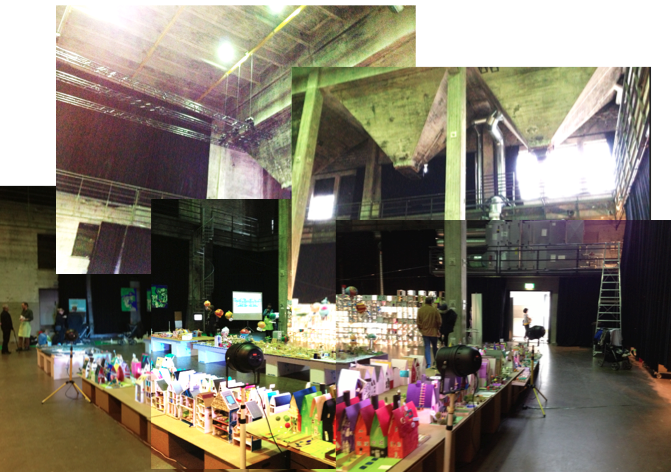
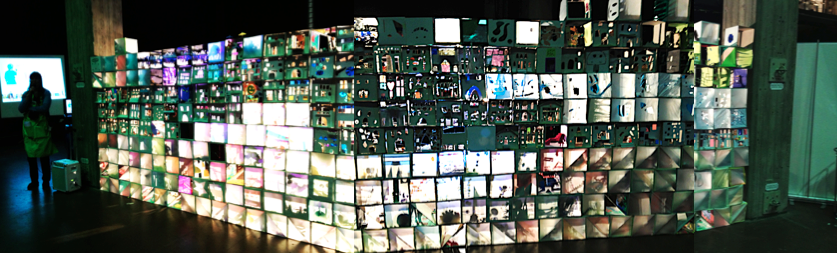
5/4: Walking out of KAAPELI, a refurbished cable factory now cultural center (galleries, artists, companies) in Helsinki’s former industrial district.
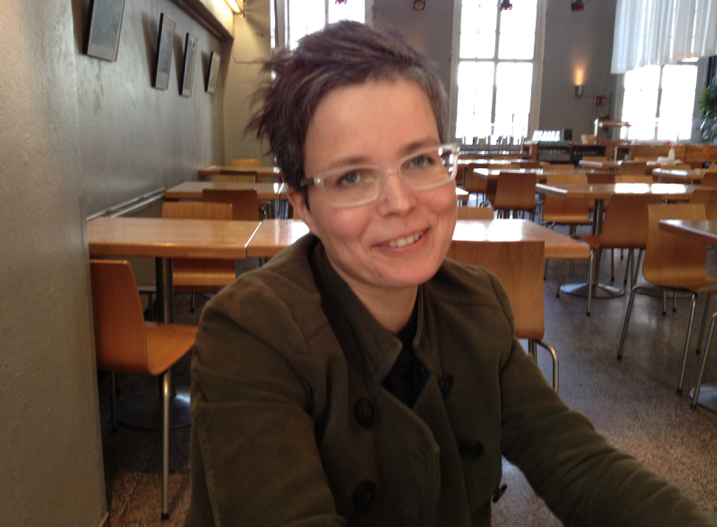
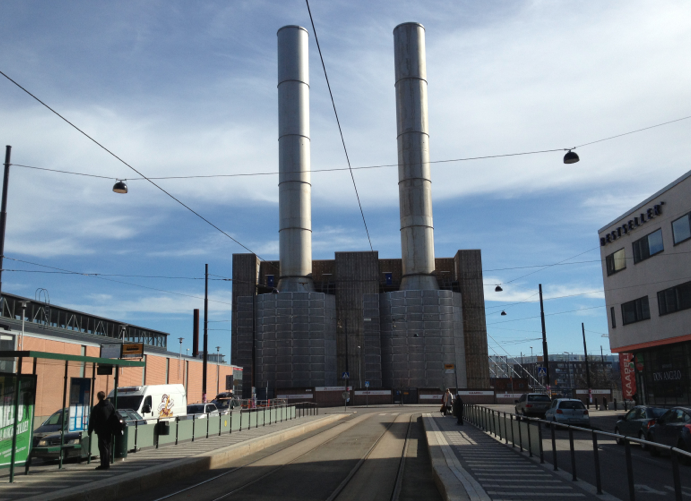

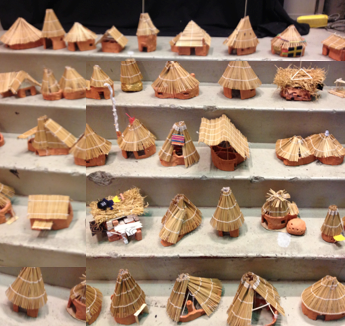
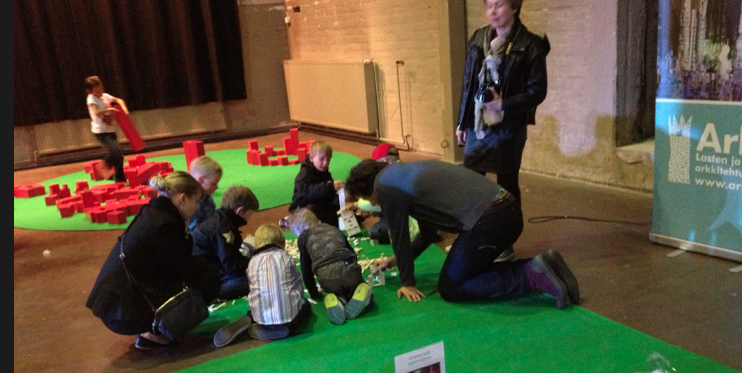
Catching a rail line back to center of town, we became startled by an imposing industrial facility, in contrast to the exhibit — from which we had just then departed– of miniature tropical huts hand-crafted by pre-teen architectural students, including one designed by the son of Dr. Katri Pynnöniemi.
Here before you, above, are two buildings in proximate size to each other, so as to appear in less dramatic scale. The exhibited hut is now a place to live, while the facility has a bite-size quality.
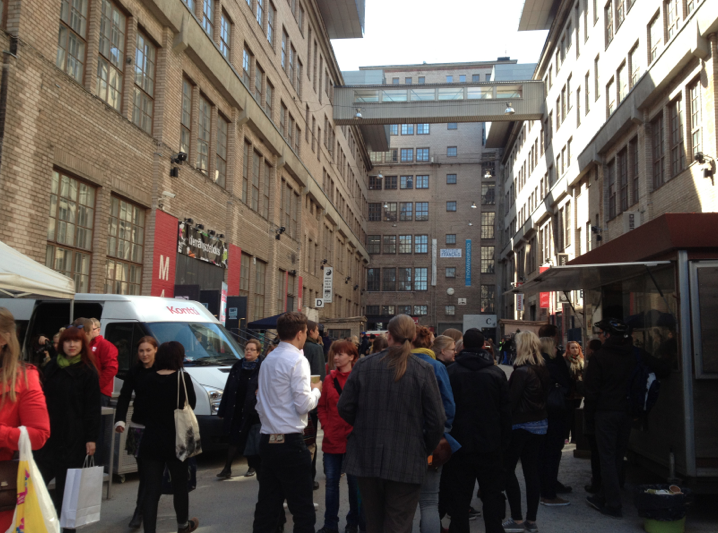 It was Recycling Day at KAAPELI, an annual festivity when shopkeepers display dresses, scarfs, accessories, made of recycled materials– and an appropriate venue for Katri and my discussion about consumption practices and the critical infrastructure that makes our way of life at all possible.
 For some time–looking as we have done, across the Arctic, at newer homes in Fairbanks, Alaska, whose only source of heat is the reliability of electrical power, and in Nuuk, Greenland, practically a lunar-based facility totally dependent upon the goodwill of technicians to go to bed at a descent hour–we have been thinking about high-reliability in critical infrastructure systems.
This is especially the case now, with climate change on its continued march.
There are resettlement concerns, changes to permafrost composition, new requirement codes for building construction, regulatory changes in oil and gas extraction activities to accommodate shorter winter seasons — well, the possibilities for research are gi-normous.

 And it was on the cusp of entering into a new thought about this type of study, with its emphasis on large technical systems and the role of security in provisioning and powering the everyday geographies of life.
For example, say, in the context of mass transportation, forms of settlement, mobility through which life is lived — geographies of work, shopping, transportation, various natural environmental contexts surrounding them.
It is in this context that, as mentioned below, naturally, Dr. Katri Pynnöniemi’s recent work on critical systems came to mind and for which I planned to bend her hear during our walk through KAAPELI, glancing and touching the various recycled products now on display. 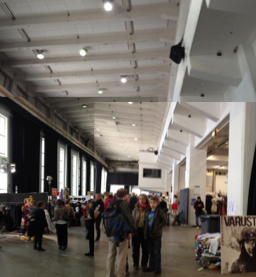
What we understand as critical systems are the material structure and observing qualities capable of drawing attention to points around which these systems function as critical to provisioning a way of life, what we might call (deep breath) “culture”.

Recounting our discussion, I was a bit enthusiastic to tell my side of the story. Nevertheless, we discovered some intersections.
For example, Katri is considering to examine how arctic communities in Russia, continuing to rely on government subsidies of provisioning oil-based fuel systems for energy production, deal with the transition to more commercial reliance, whether shifting the burden to private companies, or just characterizing the very logics of a system itself that delivers its all encompassing risk to itself and which has existed for decades in the shadow of a nascent reflexive modernization emerging outside Russia.
At any rate, we look forward to catching up with Katri again soon. Stay tuned!

5/2: Blew into Helsinki.
Enjoyed reading Dr. Katri Pynnöniemi‘s new edited volume on Critical Systems and have since made arrangements to meet with her for lunch this coming Saturday, 4 May, to discuss future research perspectives.


Join us 2PM at Hima & Sali Restaurant for lunch and coffee.
Instructions how to get there.
 It was in Stockholm, some days ago, actually, that Dr.
 recommended reading her new publication titled Russian Critical Infrastructures, Finnish Institute for International Affairs, Report No. 35, during a coffee break of the Arctic Security workshop, then taking place inside the Swedish Art Gallery, just a block from the Sheraton Hotel.
Russian Critical Infrastructures available in PDF here
— Katri Pynnöniemi’s website for publications here.
This pamphlet, just over 100 pages, pin points our next project: “While it is possible to recognize a resemblance at the terminological and conceptual level, this does not yet indicate that the actual risk management practices are the same. Further research is required to open up the underlying discursive (and concrete) practices that influence the implementation of [critical infrastructure] policy” (emphasis added p. 51).



Posted in Paparazzi Ethnography, tagged Trondheim on April 24, 2013| Leave a Comment »
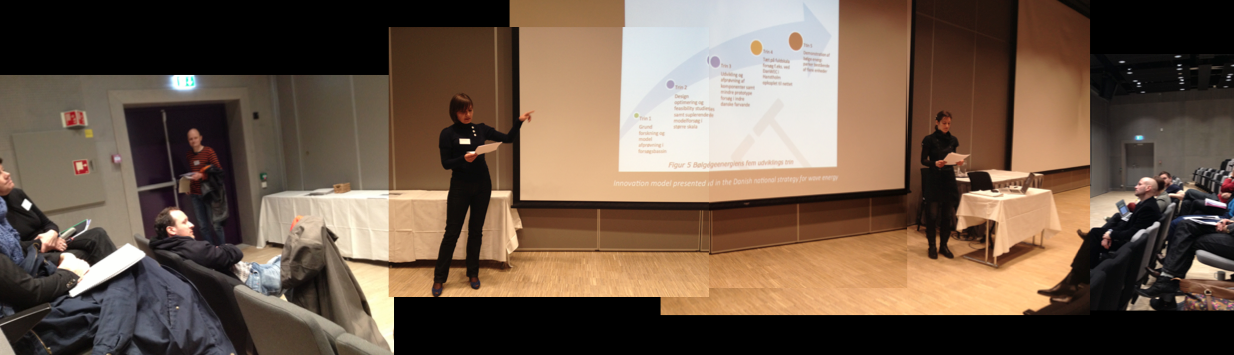

Epilogue: Strong inaugural meeting of the Nordic STS conference. Jane Summerton, co-chair, was an absolutely gracious host, and delighted by our connection with Gene Rochlin, the latter now retired from Energy Resources Group, UC Berkeley, thanking her again for her edited volume back in the 1990s on large technical systems where Gene has a fabulous article on nuclear power in comparative national program perspective.
4/25: Merete Lie — Scale and imagination in scientific imaging. Inscription devices as mediators: interpretations based on recognition mediating among researchers to the public — manipulation has been used to make images legible, are conventions in science changing to reflect images that are immediately recognizable (colorful colors), the factual and unbiased are becoming more emotional, and what does that do to our body, at a molecular level [?] The concept of entification, Things that are becoming thingy that were once abstract. People had habits before, eating during the night, now we put a label on it, “night eater” — increased diagnosis through visualization. Cells today are getting an identity.


 How cell images use the concept of “portrait”, a recognized genre in Western culture, and that they appear in the same size, sperms are very different sizes than cells, but are presented to us in the same size. Same scale, a human image, a cell, all appearing with the same background — special criteria when you choose to display a cell, color, shadow, and images are more recognizable to us, even when the content is very new to us. An emphasis on the individual in Western culture, as the proof of uniqueness.
 Existence independent of the body, from cells as biological composition to autonomous entities, paving the way for commodification of cell, and a change in cultural understanding of the cell.
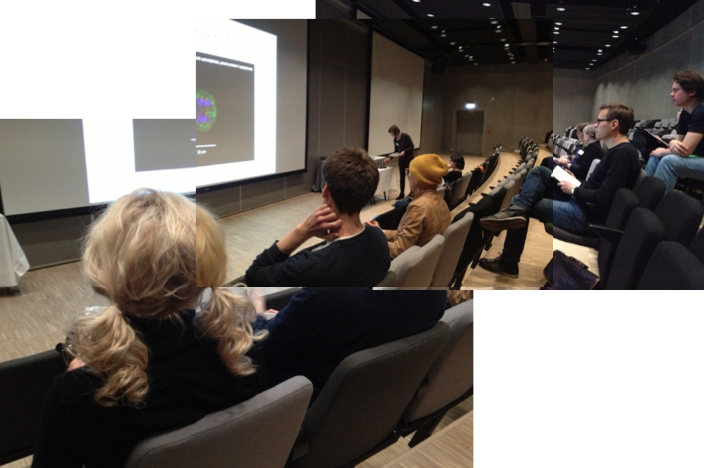


 Anja Johansen: Becoming electricity, becoming molecular: Notions of the body in the art installation of Wave UFO.
Wave UFO, Mariko Mori, 1999-2002. Translating electrical signal into imagery.
Non evasive way of measuring brain activity by examining electricity in the skull, measuring the voltage fluctuation resulting from the ionic neurons. The method was invented and standardized during the 1920s, Hans Berger, reported observations “Das Electroencephalogram” on EEG (Electroencephalography).
Everyone has brain waves, but some make better subjects than others, and EEG only measures in the outer area.
Epilepsy diagnosis, but also gaming, related to learning, in the 1960s, alpha waves were used in experimental music, as reflected in the “brainball” game.
IBVA – Interactive Brainwave Visual Analyzer, geared for artists, intuitive imaging.

Art markets and the experience economy;
EEG and the visualization of the invisible;
Black-boxing/mystification of technology.
The technology opens up a more fundamental creativity, uncertainty and improvisation in music and the arts, while in science, the program is oriented toward control and predictability.
Up next — Movie: Having a skilled eye versus common sense and emotions as a rhetoric in determining meaning of the visual.
Visual styles are manipulated (photoshop) highlighting what they are looking from, using colors based on thresholds through photoshop and other programs (“ooh, that scientist just discovered that filter”) — but each school, organization or laboratory develops their own style, and the most successful images are those developed by well developed science houses, for which other seeks to replicate that style.
Manipulation and direct information.
Image competitions in science: god and bad, enhances popular reception of science but also distracts from primary scientific knowledge. “Glowing” images are important in media to represent [brain] activity. We are soaked in medical cliches, of computer generated images about the body.
Artist Andew Carnie and Scientist Richard Wingate, The Magic Forest — the very feeling of looking at the brain, peering down at the microscopic world of the brain. A program like CSI, a logical deconstruction of pathology, and the fetishization of laboratory work [movie directed by Anwar Saab on biomedical imaging].
As an aside: The representation of an industry (energy, biomedicine) as a visual impact and historical, almost cultural form.
 Session 5.2
Images and narratives in climate change debates and policy
Susanna Lidstrom: Environmental ocean images, scientific, popular and political debates. The idea that the sea is remote and inaccessible, a different world; events in the sea get less attention than if they happen on land; that the ocean is so large that it can dilute anything; less research on human relations to the ocean than other environments —
Why do marine concerns receive less attention than others environmental debates? What determines levels of concern, how do scientists influence debates? What are the main attitudes that shape our understaning of the sea? How has our understanding of the sea developed in the age of environment? Which technologies enable us to know about the sea?
Invisible narratives. How do you create narratives about things you can’t see, predict, uncertain predictions, long term implications, global impacts.
 The Sea: Waste and Wonder —
Aquariums, how do you showcase the ocean. Digital visualizations. 
Katarina Larsen: Narratives and images of energy behavior, consumer participation as de facto climate policy.
The power of stories (Gabriel 1998, 2004) to be tempted, seduced and deceived. Environmental futures studies and users of new technology, users and expectations about behavioral change in new technology (Larsen & Hojer 2007, Larsen et al. 2011); Consumer as self-reflecting user (of their own energy consumption); consumer as signal of new markets (renewal and diversify for niche groups); consumer as a data point (analysis of large groups of people rather than individuals); current users to identify future consumers (energy futures). Visualizations for bridging the gap between an abstract concept of climate change and everyday life, Nicholson-Cole (2005) – Interactive experience of climate change (vs energy game) — how and whether they can personally do anything about it.
Roles of users of renewables (solar) energy (a) knowledge production and new roles of customers in research and development (b) approach of workshops with solar cell owners and potential future solar cell owners, active in blogging about solar cells….
 Miryase Christensen: Images of climate change policy and ice. How knowledge about climate change was produced and circulated through media, the latter central actors in relations of definition. Satellite imagery, computer technology, large scale infrastructure. Where there are hundreds of stories in the Guardian and NYTimes there was only sparse coverage in Sweden, indicating a lack of consensus in the former countries over climate change.
Elena Parmiggiani and Vidar Hepsø. Mobilizing heterogenous forces in the modeling of data: from perplexity to institutionalism.
Distribution of Lophelia corals and oil and gas operations: re-negotiating space. How can coral reefs co-exist with oil and gas, that is, how can reefs be represented to reflect risk? Why now? Meaning, now, the reefs have been taken from the dark bottoms to be represented on the computer screen, and recorded, measured, stored, in different formats, timescales.
Granting Lophelia a due process: “given a microphone to express its thoughts”; different other forces in oil and gas need to be enrolled and consulted, given weight to assess their legitimate interest; leading to a new phase or institutionalization of hierarchy.

 Giving a real-time claim to Lophelia, where interests are represented indirectly — emerging information infrastructure (highly social entanglements of making Lophelia an actor), due process as a way of democratizing design and representations.
Bryan Wynn. Key Note speech: Science versus Expertise- where expertise leads toward advice in the context of decision making. Science is something else, not necessarily involved in purposeful decision making. Feels marginal to social science, because social science does not question the social end of the science – public relationships. Doing publics with science in mind. The question of science and what it has meant to mean and what meanings are given to it by various publics. We have to understand what publics experience as science and other meanings that are imposed upon on publics.

 Different versions of science which are articulated and enacted in society: innocent understanding (research); new factor of production (global capitalism and economy); new factor of public authority and justification; author of public meanings (risk, security);
Science doesn’t just inform policy but legitimizes those decisions, taking on a normative role, and thus biased in favor of one outcome over another.
Science is continually acting with significant audiences in mind, imagined publics — with an eye toward establishing credibility.

4/26: Session 6. Energy as relations: knowledge practices and the environment
Lea Schick and Brit Ross Winthereik: Innovating Energy Futures: Smart Grid as Relations
Smart Grid objects. “Innovation delegation” – smooth collaboration presentation (instructions given on how to behave–seeing, interacting, connecting). Jig saw puzzle as metaphor of putting pieces in alignment. Diagram –“display of the relations between forces which constitute power. … it is a machine that is almost blind and mute even though it makes others see and speak” (Deleuze 1991:31).
Sensibility to non-discursive visual apparatuses of innovating futures (saying); Models for future diagrams-governing architectural arrangements (user inscription; Locate innovation as emerging in inter-subjective and inter-objective relations; Diagrams of innovation and imagination).
Two smart grid objects: Systems’s Worlds & Nodes in a Network. M. Foucault. “…Manet makes representation visible to itself. In so doing he also makes subjectivity visible to itself at the same time” (Hetherington 2011:468). [subject and object]
Question about gender.
B.R. Winthereik and Laura Watts: Cutting Edges: Place and futures in marine renewable energy
Alien energy. Wave resource distribution. A non-place for future making in typically future making terms. Peripherality part of the branding efforts, “World’s end — and therefore a place for new beginnings”, “a remote area” — multiple ontologies, center-periphery rules out worlds that are not the same deep down. Taking seriously lives at a dead end.
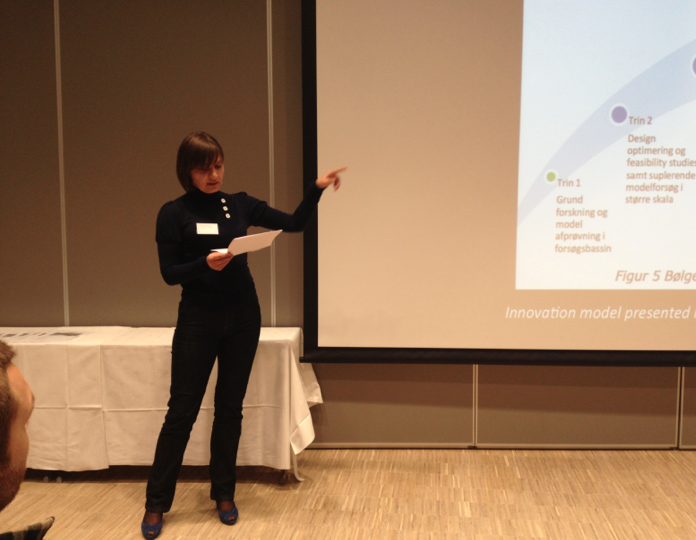 Cemetery with lights. Peripheries and particularities. European Marine Energy Center — creating Center’s elsewhere. Center versus institute [?]. Far from the center in so many ways that matter. Transduction: transformation of matter from one matter to another. Human actors and nature enter into relations that have agentive affects — edge is a type of instrument.
The materiality of edge [or as material semiotic]. Working the world analytically. Crown and local ownership. Orkney waves, electrons, and local ownership.
 A cultural experience. Watching waves so long they begin to run into the opposite direction from land to sea. [Italo Calvino, Reading a Wave] unable to analyze/read a wave into universal knowledge. Creating a tool for analyzing particularities.
A: Not able to generalize, but not willing either. Threshold — edge brings to mind the concept of threshold, and thus, that which has potential and not spent.
James Maguire: Icelandic Energy Transitions: from natural resources to energy politics
Energetic Cityscapes and landscapes, inverse NIMBY, visibility and energy embeddedness, ownership and aesthetics. Renewables energy for megaprojects (aluminum bauxite mined from S.A. with fossil fuels) + The Green Cloud, data service sites [how dirty is your data]. Reconfiguration about privacy under consideration by parliament in light of energetic development — attract and reconfigure what is going on. What types of politics are performed in renewable energy worlds?



 Paparazzi Ethnography
