
A history channel on the video screen retells the truth.
Archive for the ‘Paparazzi Ethnography’ Category
Berlin Wall Inside A Tourist Bus
Posted in Paparazzi Ethnography, tagged Berlin on March 19, 2013| Leave a Comment »
arctic summit
Posted in Paparazzi Ethnography, tagged Oslo, Villa Frognæs on March 17, 2013| Leave a Comment »
Oslo Arctic Summit
The Economist’s One-Day Arctic Summit meeting on oil and gas development in the High Arctic
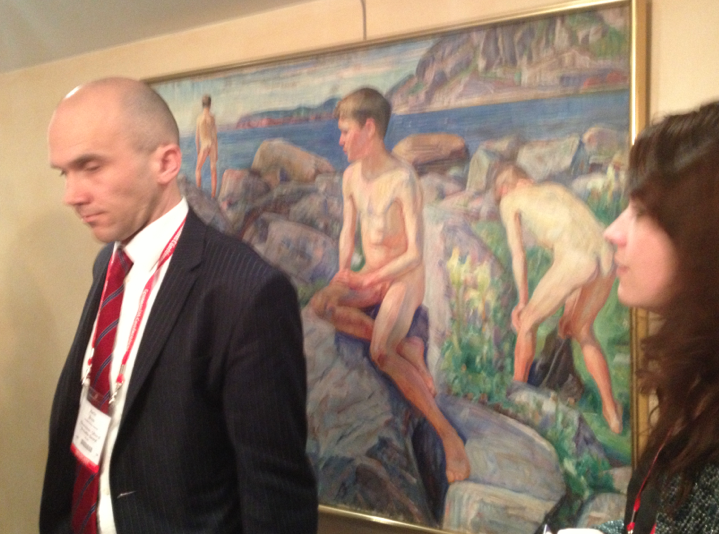 Epilogue: The Hotel Bristol is known among old timers in Oslo, mainly artists, for its Moorish Hall, once a two story high lobby decorated in the Moroccan style. There was resistance when some years ago, the ceiling was lowered to create a second floor– what was now the conference hall where we gathered for the Arctic Summit meeting.
Some art remains, such as this image of innocence above — were it hanging in public in the United States, it would surely raise eyebrows, especially in the context of a business conference. Here, as you see by the reaction of those waiting in line to gather their coats, the painting registers negligibly as a signature of sexualized bodies.

 Perhaps the most central theme of the meeting was a discursive divide between representatives of the environment and industry.
Meanwhile, voices of government and local community were for the most part absent.
The environmental side was predictably blunt in declaring that “The Arctic” — whatever that is– should remain safeguarded, and that perhaps there is no possible scientific or industry account in the present that can legitimately guarantee development without catastrophe.
 On the industry side, in a rather interesting but somewhat disorganized way, they sought to delineate the Arctic into various zones of expectation.
Representatives of both Statoil and DNV delivered various terms that drew attention, on the one side, to an industrialized Arctic in the present (near north) and on the other side, to a potential development zone, that could be drawn into the present by the lessons learned in the near High North (North Sea). A final zone of distinction was the untouchable, unthinkable High Arctic, the zone (still as of yet) of all-year ice area.
 All in all, it was intriguing. No one of course, presented a topic called “Steps to Non-Development”, which would have been our topic.
Not even the environmentalists could think fast enough on their feet to come up with that. Given that the entire meeting was sponsored by three industry companies, by an organization titled The Economist, the concept of Development the elephant in the room.
 By the way: Did we not say from the outset that we had a superb time at the meeting?
Everyone of our friends from across Norway was in town — a veritable who’s who of nearly top drawer delegates– the Highest of the nearly-High, including folks from INTSOK, CICERO, Research Council Norway, DNV, American Embassy, Nansen Institute, Fram Centre, etc.
In short, we had a blast. Many thanks to the wonderful folks of the The Economist for such a pleasurable day.

3/12: Up now is Henrik Madsen, CEO, Det Norske Veritas (DNV), just after the first coffee break. I have notes for the morning session and will post them below soon.

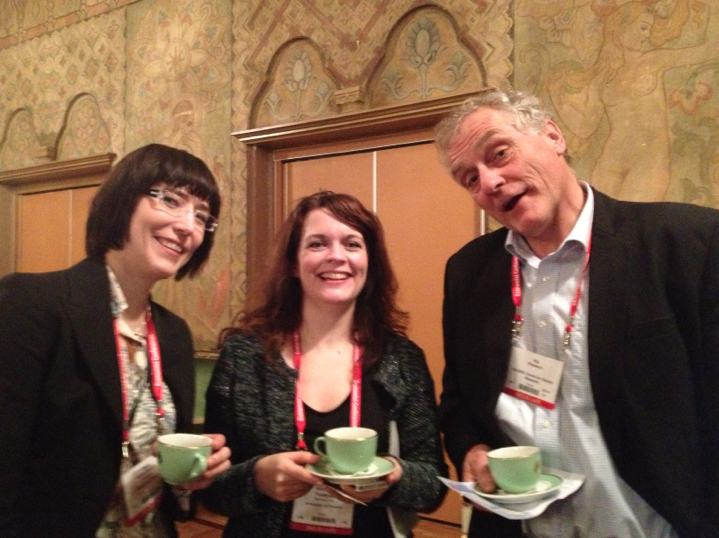

Henrik up now, citing the Torgeir Larsen, State Secretary, Ministry of Foreign Affairs, Government of Norway, who provided the opening address (see below), that there are many Arctics, different from other areas in terms of variation ice and snow conditions, bio production, light (animates ice coverage on video — talk begins with a dramatization with voice over).
 To understand the High Arctic, moving from the known areas to the more challenging areas.
Each area of the Arctic has its own set of individual risks. “Zero Risk” equals Zero Activity. Some risks are so great that government will not carry it out. Nuclear power will NOT happen in Norway, for example, even though risks according to others are very low.
Possible, we should want to go to ships operating on LNG, bunkering of LNG all over the Arctic, to reduce the possibility of spills.
This would require a modal shift, using a CO2 friendly, would require different shifts, more truck travel, more Suez canal, so, more costly, how they are introduced in a step wise manner, and avoid modal shifts we don’t want to see.
 How safe is safe enough?
Well, everyone would agree that it should not be lower than in the North Sea, and could argue that it should be higher. Then can we develop safety standards. Barents 2020 (report on standards written by DNV) supported by the Russian authorities sponsored by Ministry of Foreign Affairs, Norway, creates standards for safety level.
 Accident preparedness: No perfect solutions for oil spill on ice, a need to develop of new solutions, also for search and rescue. Fishing fleet could have a role.
It would not be difficult to design fishing vessels that could serve as stand-by vessels, recovery vessels and search and recovery.
Mocando: complex systems fail in complex ways. The accident only happened because many barriers had not work as intended.
Comprehensive risk management.
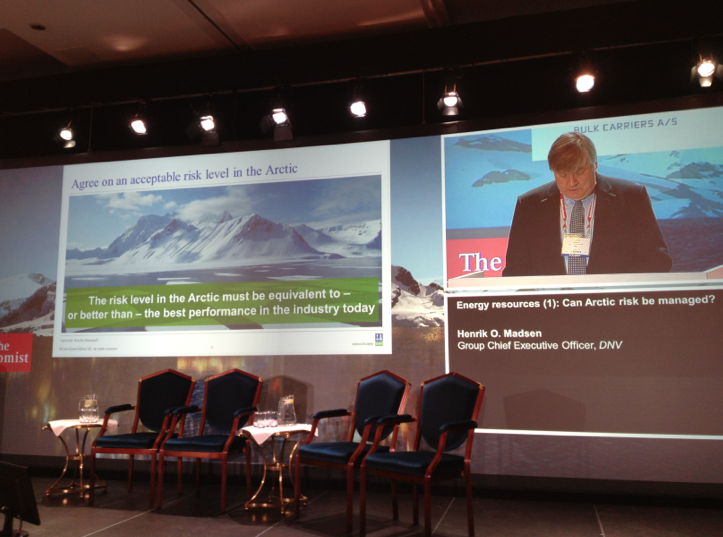 Oil and gas is complex already. A wholistic approach to manage.
Collaboration, different relation to risks in operation.
Collaboration between industry, civil society, regulatory bodies, take inclusive approach, share data, share experience and development of barriers, to mitigate consequences of accidents, and share this with partners.
To sum up.
Collaboration among stakeholders; Stepwise exploration; Risk-based approach.
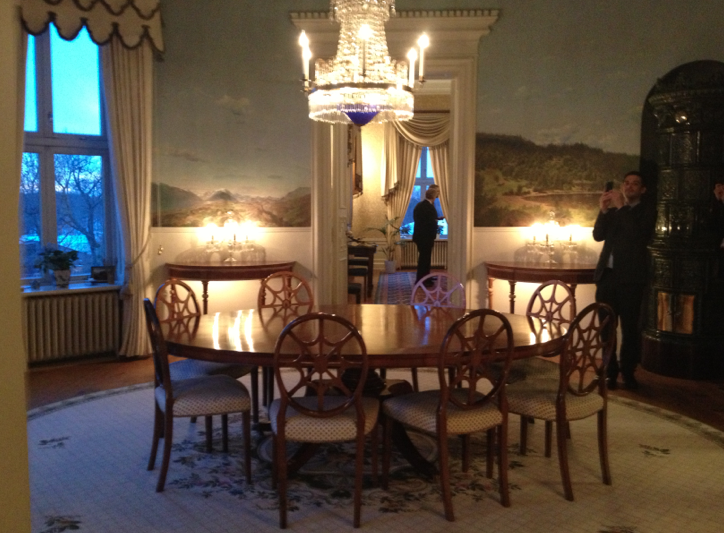 Now we have Runi M. Hansen, Head of Arctic Unit, Statoil:
Why are we in the Arctic?
We need oil and gas to raise living standards for global growth. We believe that offshore development will put new demands on industry and communities.
Quite important to mention here, that the Arctic is “not only the arctic” — we like to divide the Arctic into 3 categories: Workable Arctic ( No Ice — Alaska, Western Canada, Barents Sea, East Greenland); Stretch Arctic (Ice part of the year); Extreme Arctic (North East Greenland– ice all year).
Step-wise approach. Developed from shallow water to ultra-deep, applied to Arctic, meaning Southern Norway moving north. Finally “Collaboration” — across industry, community, government (develop technology).
 USGS — resources
Offshore constraints_ high oil prices will go out 2017, over $100 barrel. Long term oil price environment makes Arctic development more viable.
Breaking even oil prices, will vary, depending on the chain in different locations. Offshore will come under greater scrutiny, regulations will differ from country to country, relief well; oil and gas arctic will develop major competition from unconventional development of arctic oil and gas development.
After 2020. While media attention to territorial issues, but technical issues and costs involved in drilling and regulatory environment will be more major. Competition with shale are equally important.
 The Stretch Arctic — going through various regions of the “Stretch Arctic” across the Greenland locations, mainly an exploration category. “Far in the future” — “Should we be discouraged by progress in Western Greenland” because of the lack of finds.
Off shore Russia? — working on a deal with Rosneft, developing 6 operation, exploration wells in Russia, Arctic Sea of Okhotsk.
“Pulled out of Shtokman- competition enormous, Statoil pulls out. Is it wary?”
Shtokman was a specific case. We are working actively with our portfolio all the time.


 Commentator, The Economist’s James Astill:
One gets the impression, there has been tremendous excitement over the past years about Arctic development, but over the past few years, opportunities elsewhere are more possible, and that the Arctic is slipping out of view.
Statoil: Arctic is “longterm” — our exploration strategy (3 strategies), “early access at scale”. Alaska example, we have a set back, not even before 2025 development.
We postponed drilling to 2015.
We have to remember that we are not committed to drill a well there, we will do it when we are ready, and compare with portfolio worldwide.
Henrik: Emergence of shale gas has created retraction from the Arctic. Drilling for many years already, so progress over many years in the future.
Commentator “How should we look at technology?”

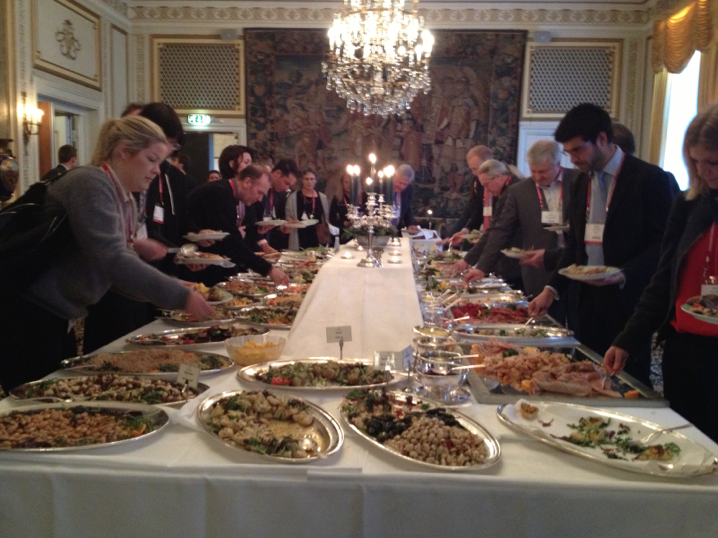 Henrik_ we have bits and pieces of technology, there is a lot we can do today, and always moving step by step. On East Greenland, Research Rescue is a big deal, oil spill on ice, infrastructure can be better.
 Statoil: Prevention is everything for us. especially in the Arctic, no room for error. nine companies working together to develop ideas about oil and ice.
Peter Kiernan– lead Analyst Energy, Economist Intelligence Unit — looking at Shell, 5 to 8 years later, Shell decides not to go back into the Chuckchi, because of regulatory.
Shtokman collapsed, European gas demand slumped, shale works. Expectations being down played. Definitely a long term option.

After Lunch, Environmental Panel
 Nina Jensen, CEO and Secretary General, WWF-Norway, went over time by twice her allotted amount.
Frederic Hauge, President, The Bellona Foundation, now up, talking about safety and the Arctic.
“Slow down the campaigning and be more informative” —Pano Kroko, Chairman, Environmental Parliament. The true value of capital is life. The returns, quarterly, that is life. Proper investment, looking at the present, 200 years of investment from the Arctic, oil from Whales, oil from the ground. Not a fantastic land, a lot of economic activity, as it should be, a life investor, long term value of arctic.
Oil and gas industry is “too heavy on our long term evaluation”. Solar energy, green bonds. “Arctic is not a virgin…[she’s] not a hookah [hooker?] in Bangkok”.
 Nina Jensen; The Arctic is unique, life developed a thousands of years for above and below the ice, changes are happening so rapidly, we cannot diagnose the changes and where the last ice area will be.
We don’t say that we don’t want to ban economic development, we need more knowledge on how life is changing, build resilience, have adequate science for development.
(Presentation consistent with Madsen’s talk, an emphasis on responsible regulation and sound science. I wonder if she could envision a moment of adequate science and government regulation).
 Pano Kroko, you’re not going to stop people looking for oil, gas, tourism.
Will happen, already happening. Coastguard co-ordination. Oil spills are eventualities, they are actualities. A lot of companies have to consider all these things in place, industrial bases need to be put in place.
Next Session — New Shipping routes.
 Exploring the potential of new trading routes.
Sturla Henriksen: Norwegian Shipowners Association (NSA): Published a report, high stakes in the Arctic, global warming, a need to take a comprehensive approach, global implications with generational perspectives.
Internationally accepted regulatory framework, need infrastructure that can underpin safe and sustainable development (search and rescue, forecasts weather, polar load pressures, oil spill contingency, need to develop industrial standards).
Offshore oil and gas will be the activities increasing fast with largest commercial potential (2) Arctic destination for supporting regional communities and tourism (3) trans-arctic crossings Cathay to Europe. Key element to create common understanding, an Arctic business council.

Oslo.
Sergey Frank, President, Sovcomflot (one of the Summit’s sponsors), moving one unit of cargo via shipping is much more green than aviation, trucks, train.
Sturla: 90 percent of world trade is shipping and 2 percent of co2 emissions.
 Dr. Huigen Yang, Director General, Polar Research Institute, China, responding to Arild Moe‘s point about regulation of coastal states_ Arctic more open for collaboration — especially for shipping, if Northern sea route is open, all countries would participate, more dialogue, more collaboration, open sea, northern sea route is open for four months, if ship is allowed to pass freely, if ships require convoys– reduce convoy passage.
Artic — Sergey Frank — co-producing ships, reacting — Russian government to be responsible to respect the traditions of the Arctic, rules and regulations have to be tougher, and stability in this region.
 Government– protect environment but not establish protective regimes, important that regulatory framework be based on law of the sea, specific regulatory measure, also, circumpolar states need to establish cooperation in standardization in safe and sustainable frameworks in this area.
We have now– floating Arctic dialogue: George Atkinson, Exec. Dir. Institute on Science for Global Policy. Creating consensus- environmentally compatible energy. (three areas of region — infectious diseases. politics simple, no one wants disease). Politics on environmentally compatible energy.
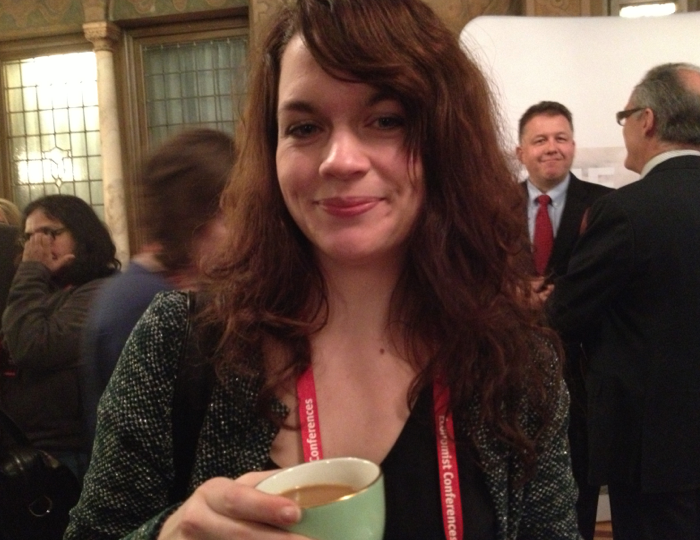 Focusing on decision makers — who in the long run can make short term decisions. But they also focus on public endorsement. Lindblad project,
National Geographic– environmental capacity session, on the ship.
Geo-politics, collaboration and governance Panel
Gustaf Lind. Ambassador of Norway. “If I would have sat here in 2003, and said that Arctic Council would be doing policy, would be doing policy, permanent secretariat for the AC, my colleagues would even more confused.” If I would say that we have applications for observer status, my colleague would say that I’m completely insane.
Arctic states and indigenous representatives, have been able to react to the Arctic, and have adapted the Arctic Council to this new situation. Shift from “Decision shaping forum” to policy making forum.
Ambassador Anton. Arctic is home and its future — 1/5 GNP in Arctic. it is the largest part of Russia, and we (try to) act responsibly and constructively. We are “solving” problems. The boundary limitations between Norway and Russia, The Canadian/Denmark boundary dispute resolved. Most information in the public is total ignorance.
 The key element of the situation in the Arctic is growing cooperation, and we welcome that. Judging what I heard today, the most important think I have heard is that we think of the Arctic as “one Arctic” — very strong commitment from each of the states to find solutions to pressing problems. Many of the proposals that I have heard today are included in Arctic policy, and will be released May 15, as part of the ministrial meeting.
Main challenges mitigation and adaptation to climate change, sustainability, future of the Arctic is peace, sustainable development, cooperation, strong arctic council.
James Herman. Ambassador to Norway, European Union.
1) Global warming will continue to be an issue (2) exploitation of resources will take some time (3) Arctic has become a region of stability and peace, and do everything to preserve it (4) this will have to reinforce international cooperation
 Steffen Weber, Secretary General — EU Arctic Forum. Everyone agrees that people want development, responsible development, sustainable development.
Business and politics is separating from each other. Besides the state as the main actor in the Arctic, private actors, investors having a major impact in the Arctic. It is a business space, not just a political or practical space.
 James Astill — Anxiety comes from Westerners seeing Russia as a protagonist in instigating fights.
Anton Vasilien, ambassador at Large- Russia responds, that there is no conflict driven agenda. Rather.
All Arctic States share in common : Arctic interest in maintaining sovereignty, maintaining balance between economic development and sustainability, knowledge based science, there should be very clear support coming from the Arctic… But they also can achieve these goals because they are involved in strong conversation with each other.
Geopolitically risks– Steffan.
The Arctic is a cool place, and will continue to be a cold place no matter what the climate change. and people are likely to cooperate because it is cold.
 James Astill blows him off, “Ach – I don’t disagree”
Where is Arctic Council going in ten years:
Gustaf Lind — we have decided to have a budget, but for projects, payments for projects, waiting for Russian money and we’ll move forward. more appetite for legal binding agreements, legal international cooperation.
Anton — scope will be broadened, bring more issues. quite obviously that one direction to go, Arctic business ties in the Arctic. But I agree with Gustav that Arctic Council (high level intergovernmental forum) should involve into full fledged international organization.
 Still a rather long way to this final destination. An organization that could have a common set of priorities. An organized that has a budget from member states, thirdly, chooses its projects based on its priorities.
Steffan, I found Anton’s statements interesting, it would lead to more connections to business and science communities.
American Navy — “I don’t believe that militarization is the goal of anyone, it is military control, and it is a good idea” — Militarization versus military presence.
 Janos Herman — EU. responding to a Chinese
Kevin Vallely — Rowing the Northwest Passage — Explorer and Adventurer. giving a lecture about his rowing a boat across the Arctic during summer. Did some research last night to understand what “exploration” means. Traveling around the world, Sumatra, has a passion for the North West Passage, “alway have” —
Arctic Summit
 8/9: We learned of the Arctic Summit, organized by The Economist, from Timothy Moore, great guy that he is, US Ambassador to Norway’s right hand man, who blew in our direction the names of sponsors and a few hints as to how to attend the event as special envoys. We would like to acknowledge his support. We do that here at StudioP‘s Paparazzi Ethnography — acknowledge the continued support of our sponsors and mentors, without which our grasp toward enlightenment would be that much more distanced.
Posted in Paparazzi Ethnography on March 12, 2013| Leave a Comment »
“They don’t know and they don’t care” continued…
In the New York Times movie review of Decasia, Sarah Boxer suggests that popular culture has seen a revival of interest in “the will of things” to become more disorderly, to resist form, to seek entropy, maximum disorder, minimum sense. There is a growing aesthetic fascination with the deterioration of objects into matter, shape into stuff, form into deformity. The subject of decay has acquired new drama and character. It has fans, chroniclers, hangers-on.

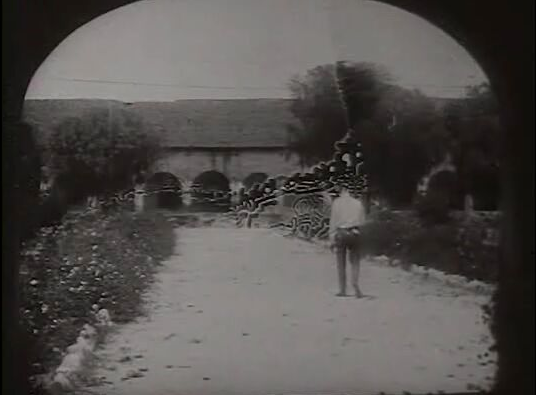
Similarly, in Romanticism and the Life of Things, H.T. Mitchell observes that today’s interest in thingness has its roots in Romanticism, though not quite the spiritual kind of yesterday. Today, we are physical with Romanticism. The slogan for our time is nothing falls apart, but things come alive. “The modernist anxiety over the collapse of structure is replaced by the panic over uncontrolled growth of structures—cancers, viruses, and other rapidly evolving entities” (2001:171-2).
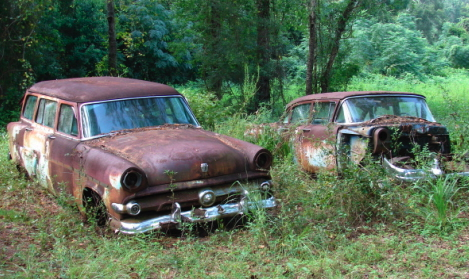
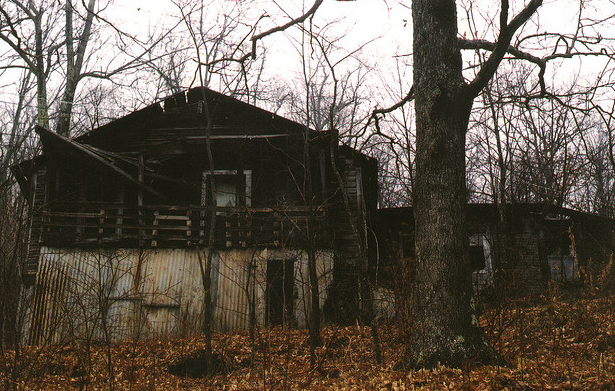
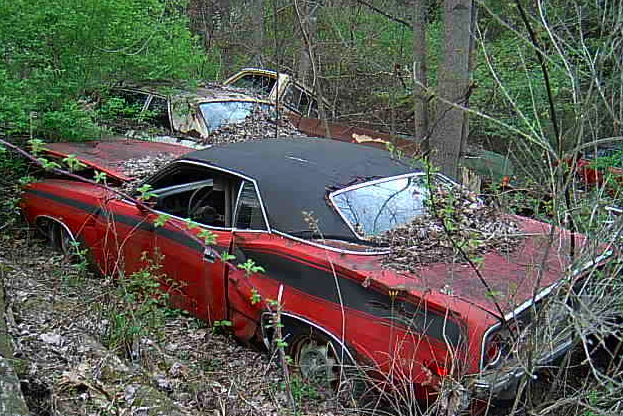
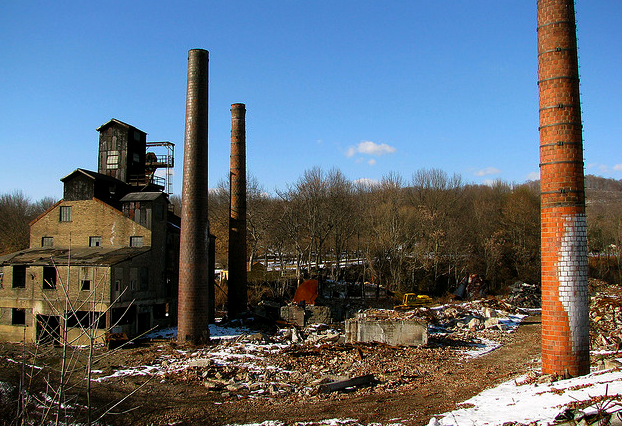
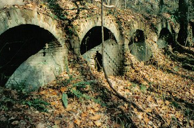
In her work on dwelling in West Virginia, anthropologist Kathleen Stewart, examines how progress literally creates the conditions for a kind of forgetting and discarding of things — old trucks, factories abandoned and worn down by rain and rust, cast away littered in out of the way spaces, hollers, streams and gulleys across Appalachia. For dwellers living among these “spaces” neglected on the road to progress — these discarded objects become a time and space experience.
Objects long abandoned become relevant and potent emotional markers of a personal present, past, and future. By binding themselves in folksy (ethical) and practical (mimetic) ways to “useless” objects, Stewart’s informants are members of an ethical-cultural landscape — defined by being “passed over” — an externalized space on the side of the road.
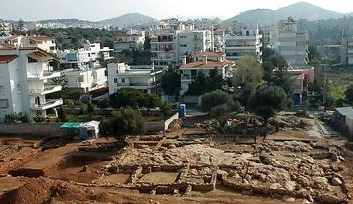
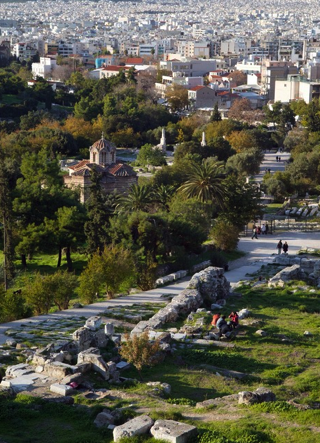
James Faubion has an equally fascinating take on debris, in particular, the remnants of Greek architecture within the city Athens. Here, decayed materials are a mode by which Athenians historically construct their present. 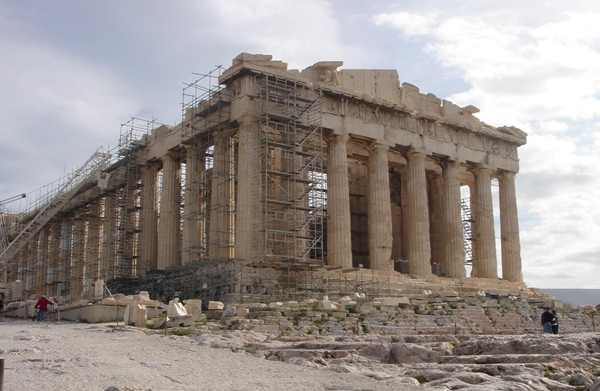 Thus, whether finding love among the ruins in Athens, Greece, or in Athens, West Virginia, our daily relationship with the past is analogous to the practice of bricolage. Nothing complicated. Claude Lévi-Strauss suggested all practical living is about privileging “historical facts” selected from an inexhaustible multitude of “psychic movements” (1966) or, in Faubion’s words, different modalities of the modern.


Spaces of Intersection

The three images are spaces of intersection that reside on the threshold of everyday movements. They are spaces of intention left over from my father’s handiwork in a home where years later, today’s residents live among his debris.


No. 1

A square block of wood. Sandwiched between a banister from one side and wooden handrail on the other.
British ambassador’s residence
Posted in Paparazzi Ethnography, tagged Oslo, Villa Frognæs on March 4, 2013| Leave a Comment »

Ambassador’s Speech

Terrace Stroll

Being There

Unidirectional Gaze

Twinkliest Shoeshines
Link:
Sensational Series No. 1
PhD Course
Posted in Paparazzi Ethnography, tagged Tromsø on February 28, 2013| Leave a Comment »
3-day programme
Epilogue: The course provided exposure to approaches for working out the status of knowledge. One approach was tactical in the form of three exercises. In these exercises, students took on vantage points to situate themselves in relationship to the subject of knowledge:
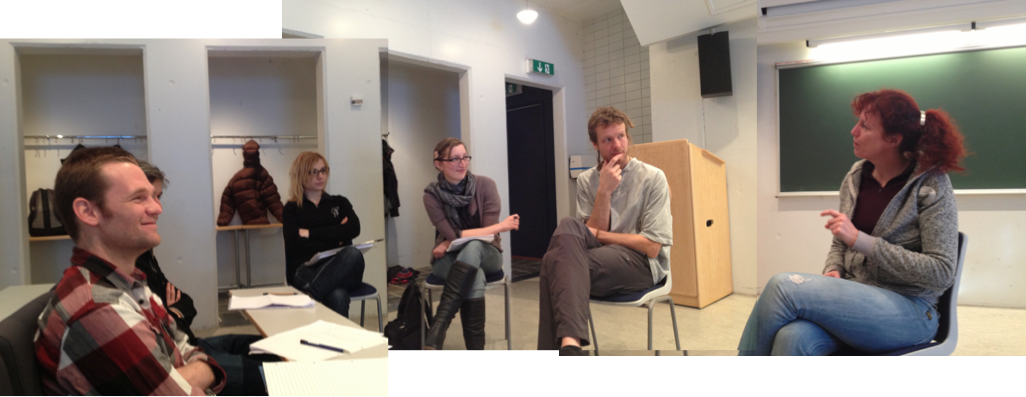
We actively manipulated the position of the subject: Aase Tveito appeared to us initially in the form of a lecturer on the topic of knowledge sharing in the Arctic. Soon, we transformed her into an informant who was responsive to the practice of science production. That is, she appeared to us as someone who creates lectures intended for consumption outside of Tromsø.
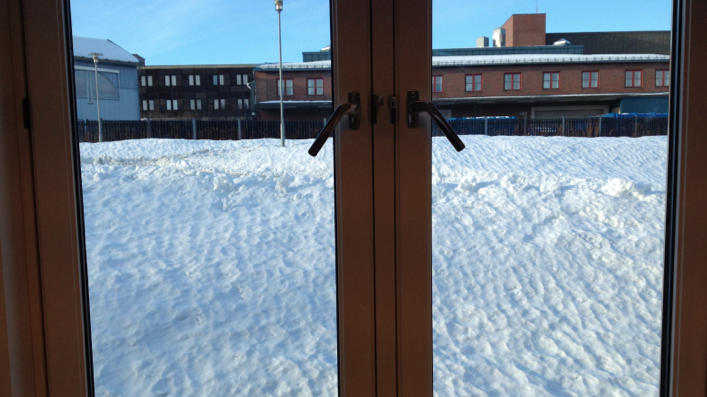 Finally, she makes an appearance as the irreducible nucleus of know-how — in the somewhat ambiguous and ambivalent role of “bare life”. In this role, Aase Tveito exists at the core of an otherwise continuous layering of concentric circles of practice where expertise is that which is endowed with legitimacy in the form of the “political life” of the subject.
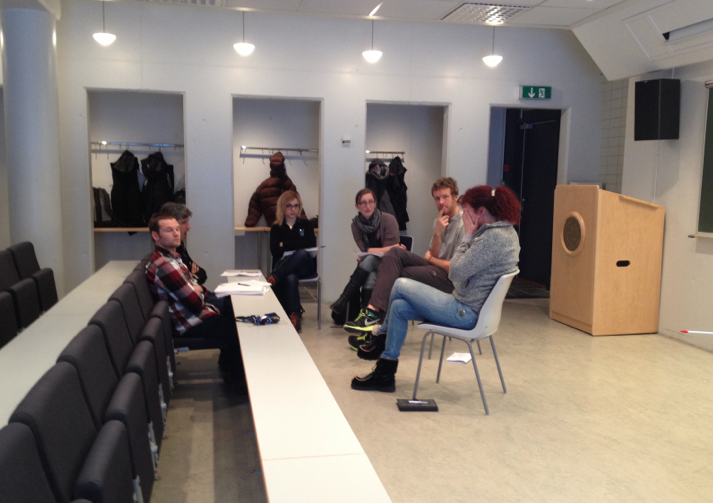 Students imitated a subject of knowledge: Each identified with one of the lecturers, and in so doing, took on the anthropology of the subject. They spoke on behalf of a lecturer, and thus momentarily became both spokesperson and embodiment of knowledge (the latter, in the way Vidar Hepsø speaks of embodying “terrain”).
They explained themselves, by a combination of description and performance, e.g., a quote — that was then further analyzed to explore the constitution of commitment. By the end, we identified various positions that lecturers had to their object all within reach of analysis by way of a discussion about distance, authenticity, agency, ethics.
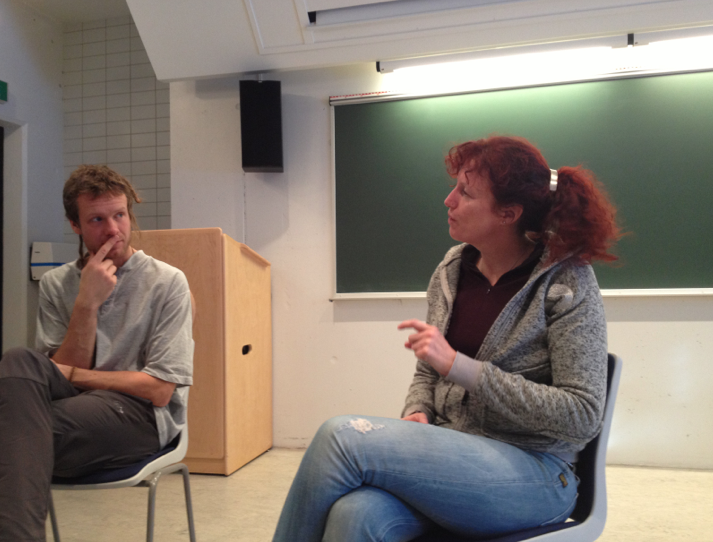 Finally, we participated in a dividing practice, placing some lecturers in the position of data acquisition and others in knowledge dissemination: In the former, we could see how the descriptions of lecturers, their intimacy to data collection, provided a specific course of development — passing from (self-confident) ignorance, to self-reflective consultation, and finally, to genuine understanding (e.g., the hero’s journey narrative). In cases of the latter, students presented themselves as subjects of knowledge. On the last day, we offered specific critiques of presentations revolving around some concept of distance, for example, in direct relationship to the experience of emotion (fear).
We further characterized distance in the testimony of Gunhild Hoogensen Gjørv who demonstrates that audience reception provides contexts for conviction as well as the possible erosion of distance between subject and object of knowledge.
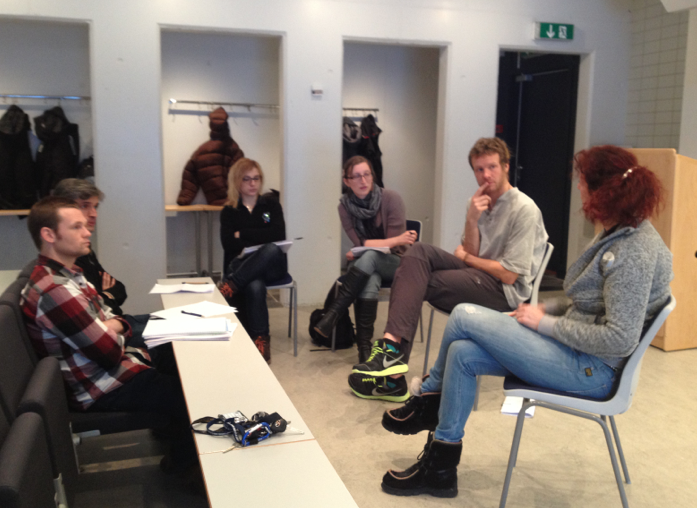 A second approach in the course was analytical and accessible through various presentations surrounding the conditions of knowledge production. For example, Vidar Hepsø demonstrated that the “realism” of photography is deceptive of “real” conditions of the oil reservoir, while abstractions that amplify conditions generate authenticity, that is, abstractions bring the subject closer to the condition of interest (predictability, oil extraction).
We then reformulated this dichotomy between realism and abstraction into a generalized framework for considering expertise more generally, in terms of a distinction (without graduation) in the forms of the Kantian and anti-Kantian aesthetic — the former tending toward a rejection of representations of the obvious in favor of principles of the esoteric, and the latter, a preference for the sensual, immediate, and obvious.
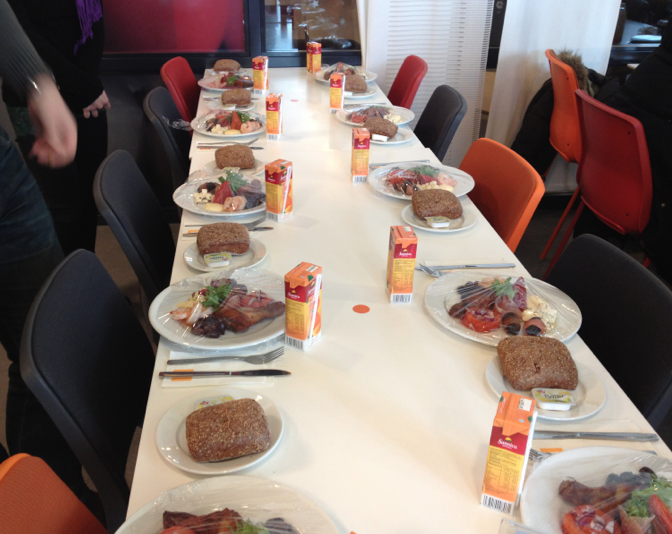 Abstractions, we argued facetiously, thus, become preferential, as a classifying scheme, resulting in a population explosion of images that do not make sense on their surface, appearing in all manner of locations where experts live and work, e.g., “artwork” in diplomatic estates, bathrooms, office buildings (receptions, canteens), hotels where conference presentation take place.
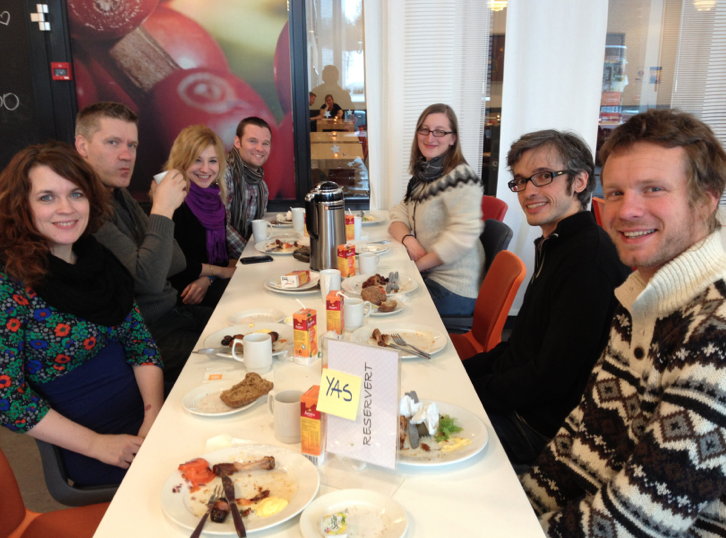 Important: the erosion of authenticity in each of our examples is a result of greater realism which is understood as providing less visibility of the real conditions (photography does not allow access to understanding the oil reservoir). However, as I demonstrated, authenticity and expertise is based on an opposing pattern. The more ostentatious the conditions of expertise (that is, the less abstract know-how appears to us), the more likely it can emerge as expertise.
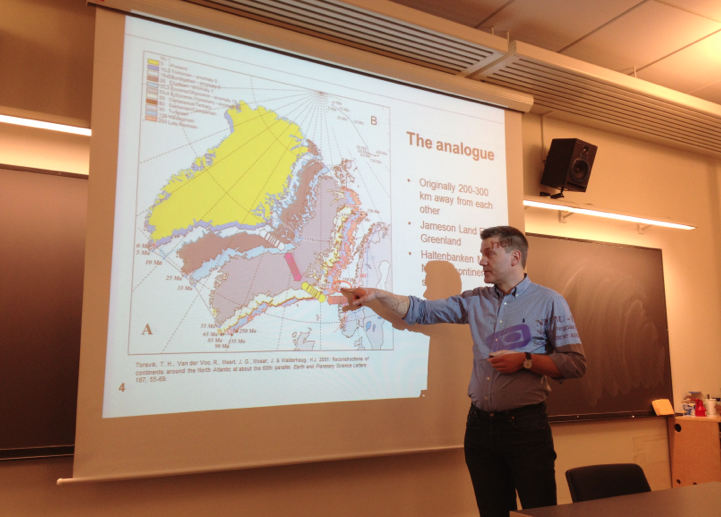
The power elite no longer consists of CEOs and politicians, but powerful experts who sit side-by-side with the traditional power elite (whose names are CEO and Politician). I demonstrated that expertise is taking place in wealthy locations, secured environments, surrounded by conspicuous forms of glamour, leisure, etc. And importantly, while knowledge has evolved toward ever increasing forms of abstraction, expertise has moved toward increasing forms of realism in status-recognition, as a form of conspicuous assertions of its authority.
Additional notes taken from speakers:
3/8:

Downloadable pdf of 3-day programme
 3/7 Afternoon session: Elena Parmiggiani is up now talking on environmental modeling, production fields on the continental shelf. Each oil well has its own personality — “a patient” — Information infrastructure (collection of information from different sources + intelligent distribution towards heterogeneous disciplines) or rather… shared, open heterogenous, evolving socio-technical system. New players — environment as primary actor, mobilization of expert institutions… Problem: investigate how global information infrastructure is established locally, so that it is both meaningful at the local (stakeholders) and yet retains the global system it represents. The standard. And we have a response from Robert Pijpers – draws attention of technologies to agency, then a couple of questions… installation on sea, operated remotely connected.
Kathrine Tveiterås — reacts to Elena, commenting about awareness of interactions among informants and appreciates extraction from coordinated sites, and wants to know what will happen in these different translation moments. Simplifications are required, but something is happening to what is being monitored, and how things will deliver meaning at a later stage. Sidsel Saugestad. What is the paper connected to this course about? Elena wants to wait for the end of the lecture to find out what.
 Lena Gross. The good life and the oil industry. Beginning with slides from the Athabasca country. “Lac La Biche”. Statoil– a relatively new actor in the region, ethical oil company, with an office in Calgary. Steam assisted gravity drainage. Concepts of value. How flexible should folks in the region be about development in the region. The concept of trust, continuity, property (who has the right to decide what happens to the land). Concepts of the neoliberal state when corporations step in and provide social services (schools, etc.).
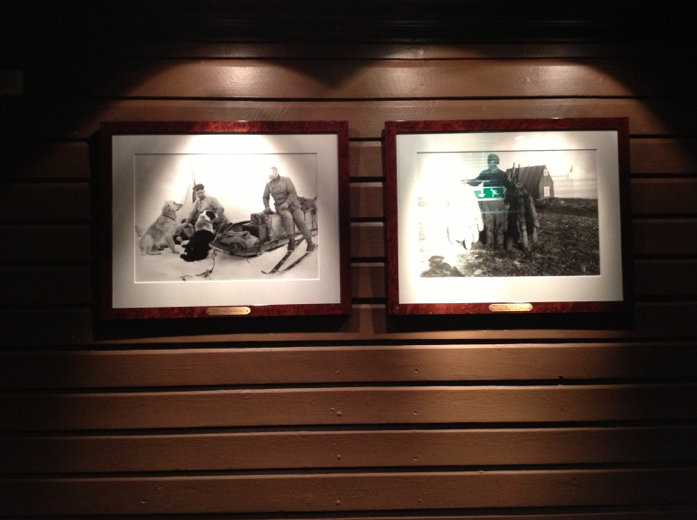 Robert Pijpers. Knowledge Worlds: Sierra Leone. Social economic changes triggered by land investments in rural areas. Land grabbing to produce food, fuels. “Land Acquisition” — very large scale and high capital. History (10 year civil war, ended in 2002). Provinces and Cheifdoms. Parallel governing systems. Centralized systems with decentralized offices. Chiefly system, charismatic authority. Folks making claims at different authorities, “window shopping” testing whether government of chiefly authority has an advantage. Involves personal exchanges, because technological communication is limited.
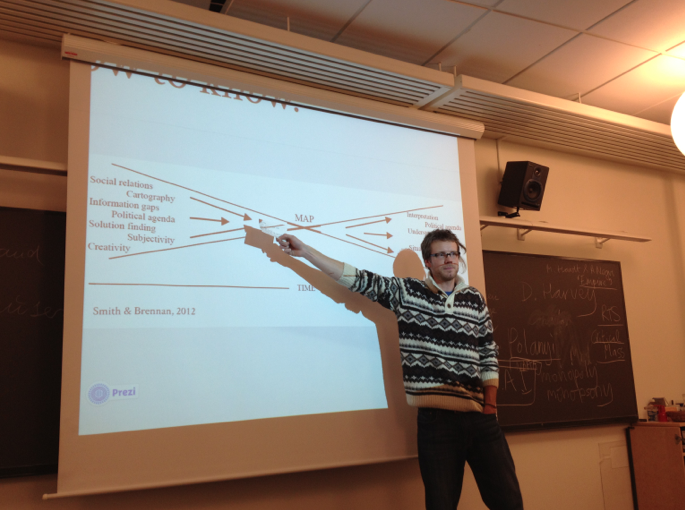 Glen Smith. Marine Planning in Scotland — the Slightly Lower North. Dissolving boundaries — who knows? how do they know? and who cares? Project background–A lesson in Three Letter Abbreviations (TLAs). Marine Scotland Act 2010: Marine planning, Licensing, Conservation, Seal Conservation, Enforcement, Sea Fisheries. National Marine Plan (NMP): soon to be adopted 2014: develop national and regional marine plans, create marine protected areas. List of groupings surrounding off shore regions. To big to plan in a meaningful way. 1. Membership of marine planning (who can know)”what the nominee can offer in terms of relevant expertise, skills, knowledge….” 2. Making and using maps (how to know the seas). Internalization as control. Reputational Risk; Dissolving Boundaries– The resource becomes definable, they become experts, democratic principles.
Luciano do valle Garotti — Flow of resources for rigs permeate different sectors with different logics. Moving materials. Utilize, maximize capacity of cargo. Conflict of different sectors. Integrated Operation Initiatives — integration, interaction of logics. What is this collaborative work? Characterize this collaboration. Different assemblages coming together.
Onshore-Offshore; Onshore logistic teams; Onshore logistic-drilling teams. Should they be real planning? Materials for wells, materials for the rigs, backload, transshipment, water or diesel, food. Who is responsible, what gives a logistics team its logic? Assemblages — first team, better results, mature, national interaction, variability. Unpredictable, different types of activities coming together, requiring different kinds of material synchronizations, temporal synchronizations, Labor synchronizations.
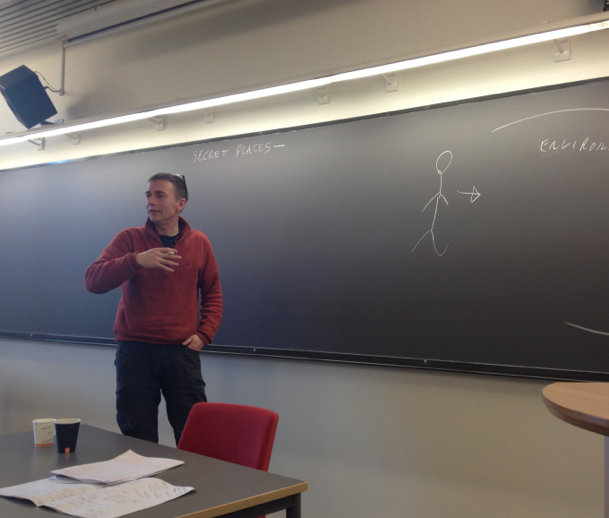 Assemblies of different types of synchronization. Material synchronizations overlapping with temporal and labor synchronizations. And these synchronizations are oriented toward achieving particular aims. One might say assemblies of different assemblies of synchronizations.
Contact points — Tasks– consolidate, prioritize, expediting.
Need to ask yourself what role these different objects play. Why do they fascinate you? What does this process fascinate you? Some paths become flow. Complexity involved in creating an appearance of flow.
3/7: Second day–up now, Gunhild Gjørv, providing an impressive background of her International Polar Year and other funded projects, along with other activities in extractive industries.
Security, the individual and the state. Develops a concept of security that focuses on the individual level, referring to Bentham, security of expectations (present and future). What is so important that we are willing to defend into the future. Prioritizing certain ideas for the purpose of ensuring — security. Borders remain intact even in failed states. But populations are disciplined differently. In the 1990s, human security began to emerge in policy. Security has multiple meanings depending on the level (individual, society, state) depending on the context.
Security as a normative term, is a positive notion. The role of the state.
 Up now is Maaike Knol. Planning at the interface of science and politics. Giving us a background on the Norwegian Continental Shelf. Management plans. Valuable areas, vulnerable areas. Boundary Instrastructure of particularly valuable and vulnerable areas. Creating maps for the basis of a political process.
The co-production of science and political objects. Mapping practices redirect the controversy to a more political process. The message of impact assessment: Low probability outweighs consequences. Message of the Petroleum Directorate. Management plan: “too little knowledge to conclude on consequences.” Marine scientists: “the conventional risk model is unsuitable”.
 There is no ultimate risk reality. Different assessment practices (methods) lead to multiple realities — wider understanding of risk is needed, that includes different forms of expertise, allows for multiple realities embedded within knowledge cultures, dissolves the boundary between facts and values. Before an object is made governable, it needs to be made readable and measurable (implies categorization and classification). Scientists and experts help enact realties. They become the spokespersons of nature. Creation of boundary infrastructures for environmental governance.
Long-term governance transformation and the governance of contradictions: a) Expectation of development and progress (planning to realize) b) Expectations about unintended consequences and possible damage (planning to avoid).
(1) By analyzing the potential solidness and durability of constructed knowledge/expertise, the social scientist takes part in this process of co-production; (2) Thereby, we are also part of shaping the world that we (wish to) live in; (3) What does that imply for our work.
Methods of assessment equate to the basis of values.
AFTER LUNCH:
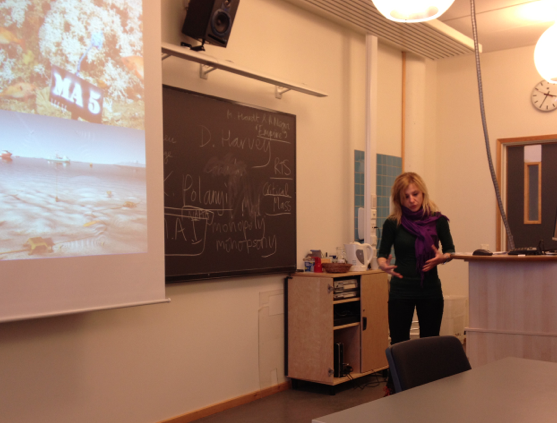
 Peter Stuart. Begins exactly on the point that we wanted to hear, by speaking of the transition away from and contemporary ignorance of Marx, as “relatively unknown” and “thoroughly understood”. Materialist view is the liberalist view (individuals continually seeking gain, astonishingly remorseless in seeking material gain). The process of making goods, what happens when you get together to make things, organizing, partnerships, and in organizing ourselves we are creating fairly obvious social relationships and ones that may change as the way we produce goods changes. The condition of post-modernity – disorganization of production.
Internalization of means-ends thinking. Normalization of forms, related to the way things are organized.
Tips from a new PhD — Problems of Access. Kathrine Tveiterås. Talking now about reflexive practices of relationships with informants and in the field. (1) If you cannot study inside out, study outside in (define where you are “on the outside” — all the particular location of where you are) — within the process of research, identify informants themselves as capable of disciplining the researcher; (2) Snowballing, moving more toward the object, by becoming more competent and efficient through the controlled observation itself; (3) Avoid performing what you know in order to obtain what the informant knows; (4) Keep levels flat — lift micro levels up and lower macro levels down (flatten things out).
 Vidar Hepsø. Working inside a corporate company. No automatic access (computer systems, documents), some of the data becomes available indirectly. Insider by Degree (studying computer engineers, crane operator) — able to study but never be an integral part of the community. When you do meaningful interaction in a community of practice, communities want you to do meaningful work. They give and you give. Exchange of information.A shift from planning to scenarios and foresights. Conceived as such.
Caught in a social field of questions of allegiance and identity. Questions of ethics, neutrality versus interest. Company allegiance — how are you able to combine your role of critical researcher with complying to the standards of the company. Academic allegiance (Making social science matter 2001). Phronetic Anthropology (Fourth question –what can we do with it).
Maaike Knol. Networking tips for case study research. Contacts, informants, a lot of data: (1) Go out and do it (even if it doesn’t feel comfortable) — getting out there even when you feel you are not prepared, without full oversight of the problem, with deliverables to return; (2) Become familiar with the research site; (3) Be flexible. A dynamic project requires dynamic methods; (4) Be guided by content and quality.
3/6: Okay. I gave my introductory comments. Up now is Vidar Hepsø, looking intelligent, moving from nature to culture — to recreate nature through expertise. Title of paper is Conjuring the oil and gas reservoir through socio-material practices.
Showing us images of geological details, writing down, over view of geological structures (in Greenland) — demonstrating how field practices in geology are embodied practices. Climbing, searching, walking. Now in the office. Everything that is embodied and real is re-presented as tools. In the field, the body is an escapable reference point for knowledge. In the office, representation becomes the most important aspect of discovery. Going on field trips is about the “art of becoming” a geologists. Cannot be a geologist without actually having field experience.
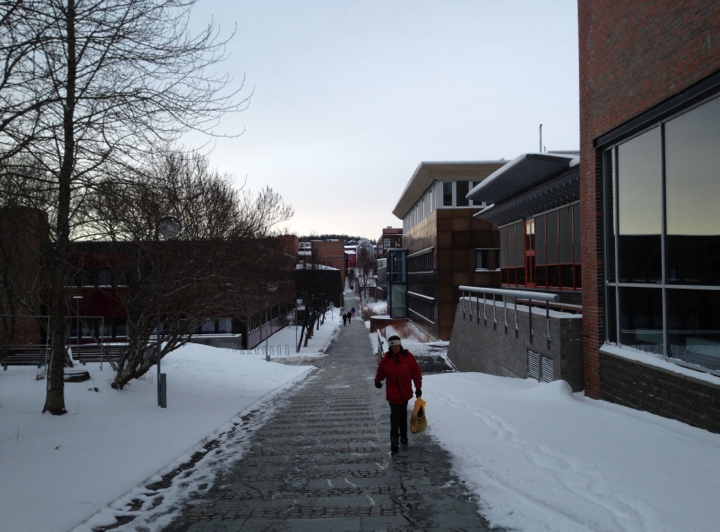 The Analogue: It is possible to identify the geological structure under the ocean (on the Norwegian shelf at 3000 meter depth) — above the ocean in Greenland. The development of heuristic devices for constructing analogy. Depicting similarity between stones. One accessible from drilling a well, and another from walking along Greenland. The embodied experience (walking along the hillside) provides intuition to the subsea context — cannot be separated from each other. But in addition to embodied experience, there is helicopter view, and satellite view.
Wow. That’s great!
What he demonstrates is that in the field, the instruments used are completely traditional, hammer, eye glass, pen — and the body is the reference point for its relationship to landscape but also to the body. Sketching. Simplified sketch in draw book. If we use photography, we will lose some of the biggest patterns (meaning, interest). It is visual intelligence. Moving between scales and perspectives. Back at the office, they work with a multidisciplinary team. These tools used, have amplification and reduction practices. Visualization technologies (microscope, amplifying and hiding) — the more hermeneutic they are, the more you have to be trained to capture the object (Weak-Strong program Ihde 1999).
Representing an understanding of porosity and permeability. Of field trips. They translate the terrain, not into a naturalistic picture, but into an abstract eidetic image, representing it through the professional vision of the geological episteme. Simulacrum of the reservoir.
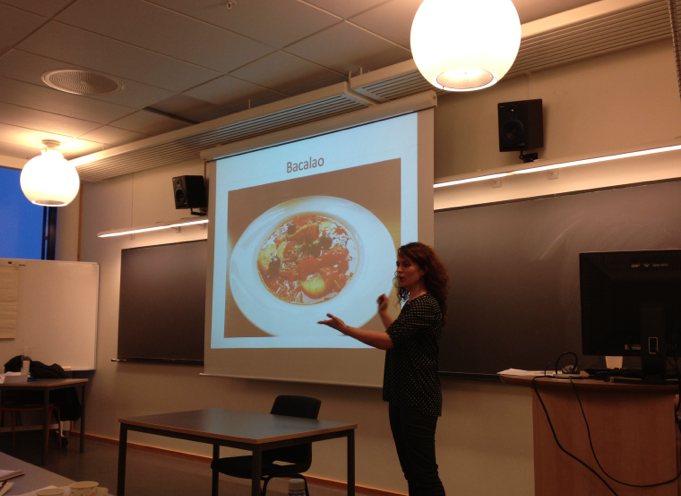
 Okay. Up Now is Kathrine Tveiterås. Beginning with Bacalao metaphor. Speaking of Snøvit, requiring different types of knowledge and expertise — a question of composition. Looking for different ways to calibrate and coordinate these different types. You need a development solution, and existing infrastructure enabling the development. Titled, Investment analyses as expertise – economizing Snøhvit LNG.
Market access — is it profitable? Mega project, is it socially acceptable. Organization– how do we decide? A number of interests and perceptions involved into a project. Net Present Value, becomes an equation for governing over an answer, which then could be backcasted on the project itself. So the NPV forecasts an answer, and then the answer governs what must be extracted from the empirical. Starts out as a representation tool, but then becomes an agency tool, offering insight on what needs to be done. The calculation is able to make a decision. Stands in as a surrogate for progress and deliverables.
Peter Arbo up now, outlining perspectives on futures. Constant increase of contingency (things could be otherwise). Uncertainty and insecurity in late modernity. Planning as a project which requires a decision (Planning- deciding about future decisions/modeling/projections/impact assessments).

2/28: University administrator Marcela Douglas and I went to take a look at the rooms where the Paparazzi Ethnography seminar is going to be held. Because of university scheduling, the three-day affair takes place in several locations.
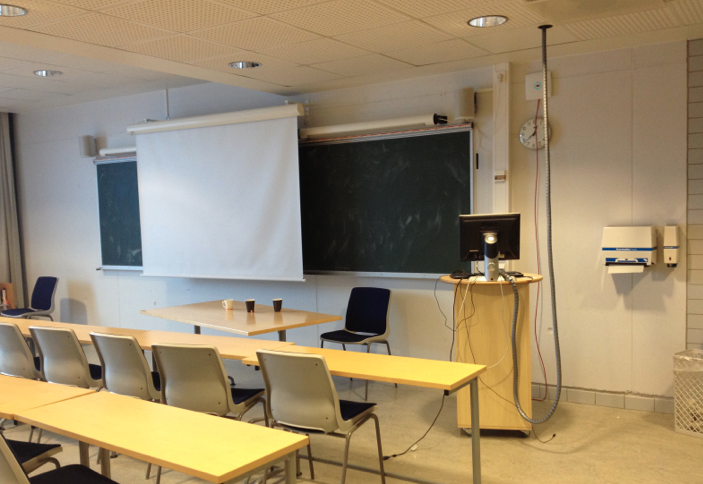
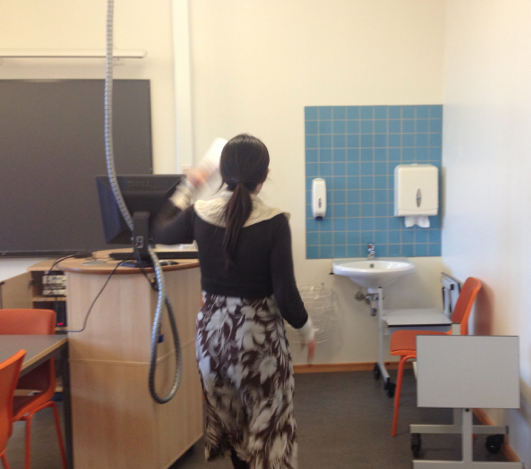
Interesting from my perspective was that in each room one finds a little bathroom nook.
There, in the corner of each room, one finds soap, paper hand-towel dispenser, water bowl, running water (hot & cold), and a little trash bin for the used wipes.
But it was in the bath-tiled backdrop that created for me the illusion that the space was indeed a toiletry center.
Bath tiles protect the wall from splashing water and steam or perhaps even build up of residue associated with soap misting and mixing with warm water.
I suggested to Marcela that with a little investment, perhaps a curtain draping down from the ceiling along with a small shower spout connected from the sink faucet, with water pipe extending upward– the nook could be expanded to accommodate a very nearly full bathroom setting.
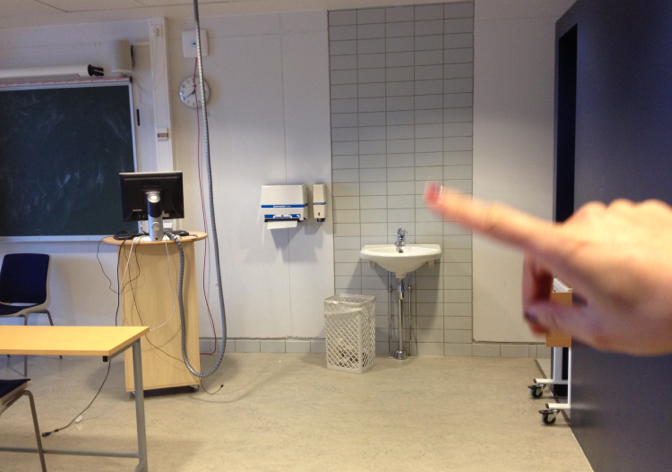
One curious dimension is the lack of vanity, or mirror, where it should be above the hand basin.
In the image on the right, Marcela points to the space where the missing vanity should be hanging on the bathroom tile.
In the image directly above, you can see very clearly, that a space exists specifically for the mirror, but for some reason, the vanity has not been placed there.
 One can only conjecture over the missing vanity, a task we rarely carry out here on the Paparazzi Ethnographic blog. But if we were to speculate, might we suggest an efficiency of thought, a truncation of the functional (hand-, face-, teeth-washing) from the premiums of vanity sought through self-reflection. After all, the classroom, in classical literature, is not a space of demagoguery and thus, charismatic authority must be kept under check.
2/25: We have a course soon at University of Tromsø that I completely forgot to mention!
Well. It is not Really a course.
It is more like a workshop, or rather, a symposium of lectures with roundtable discussions and with So many good folks presenting. Vidar Hepsø will be flying in from NTNU (Norwegian University of Science and Technology) to give us his take on Statoil-ConocoPhillips anthropological reflections. Here at home, we have two freshly minted PhDs, Maaike Knol and Kathrine Tveiterås, from the College of Fisheries, STS specialists who will talk about their recent work on networking and net-present-value, having to do with Snøvit and Barents Sea production.
There will be expert reflection from the mouths of established senior (though not in age) U Tromsø scholars, Peter Arbo, Gunhild Hoogensen Gjørv, Sidsel Saugestad and Stuart Robinson, who will frame in different ways what the juniors (though not in experience) are presenting.
…!
It will be like the First Ever — Paparazzi Ethnographic Roundtable.
Yay!
Acknowledgements
Posted in Paparazzi Ethnography on February 27, 2013| Leave a Comment »


Tromsø Journal…
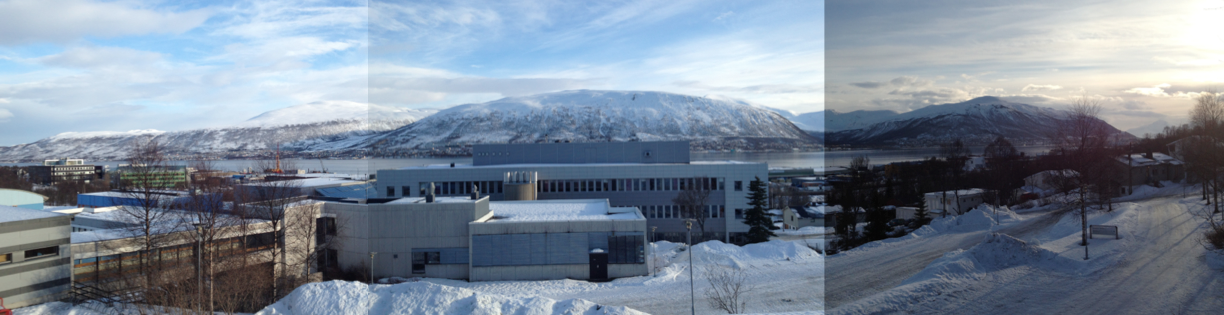
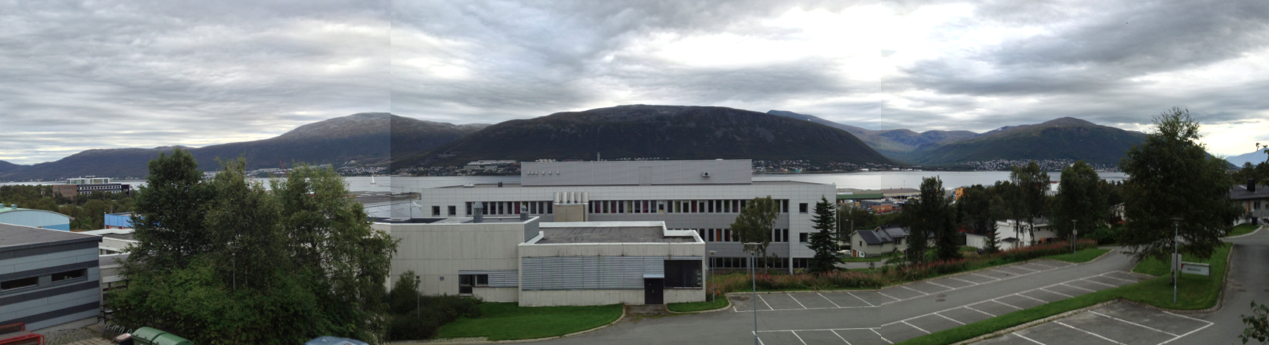
Posted in Paparazzi Ethnography, tagged Tromsø on February 20, 2013| Leave a Comment »


Blue Velvet

View Sheds

Steak

Slow Club

Locations
Akureyri Albany Amsterdam Anchorage Apatity Arkhangelsk Arlington Averoy Belvedere Bergen Berkeley Berlin Bjørnsletta Bodega Bay Bodø Bristol Hotel Brussels Burlington Calgary Cambridge Chicago Château de La Verdière Cleveland Cold Spring Harbor Copenhagen Corinthian Island Deer Lake Dragvoll Durham Espoo Fashion Street Frankfurt Gardermoen Half Moon Bay Happy-Valley-Goose Bay Helsinki Holmenkollen Houston Høvik Inare Inverness Jinan Kabelvåg Kilpisjärvi King's Cross Kirishi Kirkenes Kjøpmannsgata 7 Kristiansund Labrador City Lake Como Lofoten London Los Angeles Lysaker Marseille Milan Mill Valley Montreal Moscow Muir Woods Murmansk Neryungri New Orleans New York Nidelva Nuuk Ny-Ålesund Oakland Oslo Oxford Paparazzi Ethnography Paris Phoenix Point Reyes Seashore Prince George Queen's Gardens Ramberg Reykjavik Rice University Rovaniemi Salle Sandhornøy San Francisco Santa Cruz Sausalito Skolkovo Sochi St. Anthony's College St. John's Stavanger Stockholm St Petersburg Subsea Factory Suisun Svalbard Svolvær Sørvågen Tempe Tennessee Valley Teriberka Tiburon Tokyo City Toronto Toyama Tromsø Trondheim Töölöö Umeå Uppsala Vermont Villa Frognæs Villa Otium Washington DC White Chapel Yakutsk ZurichVinessa Gingold

StudioPolar

-

CEO man1

CEO man2

-

-

Topical
Londontown

-

-

-

-

-

-

-

-

-

-

-

-

-

-

-

-

-

-

-

-

-

-

-

-

-

-

-

-

Evenings in Houston

-

-

-

-

-

-

-

-

-

-

-

-

-

-

-

-

-

-

Sangria

Evenings in Houston

- PanArcticon Energy Lounge and Data Café


 Paparazzi Ethnography