Feeds:
Posts
Comments

Archive for the ‘Paparazzi Ethnography’ Category

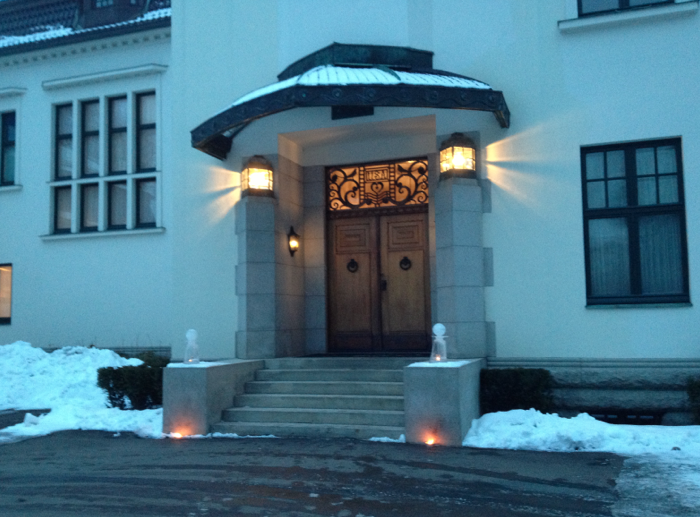
the Villa O

вилла отиум

Villa O.

No measure of capital before the Villa O.

Art & Light combined with Reflection

— objects of a time-space experience as potent emotional markers.
entrance
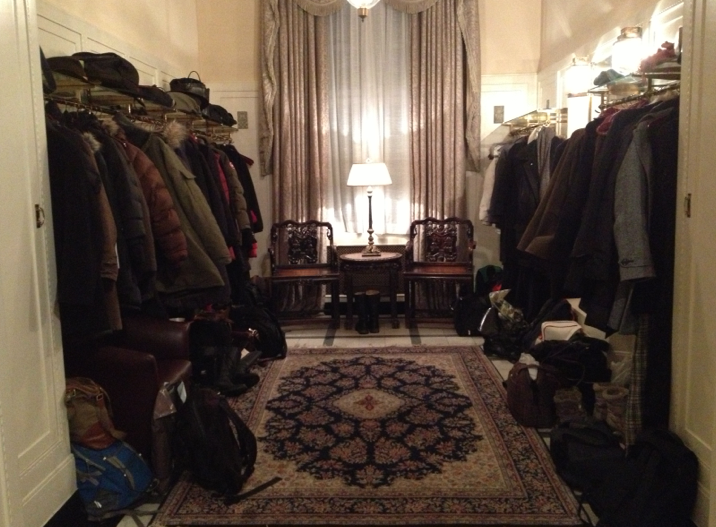
clothing
entrance
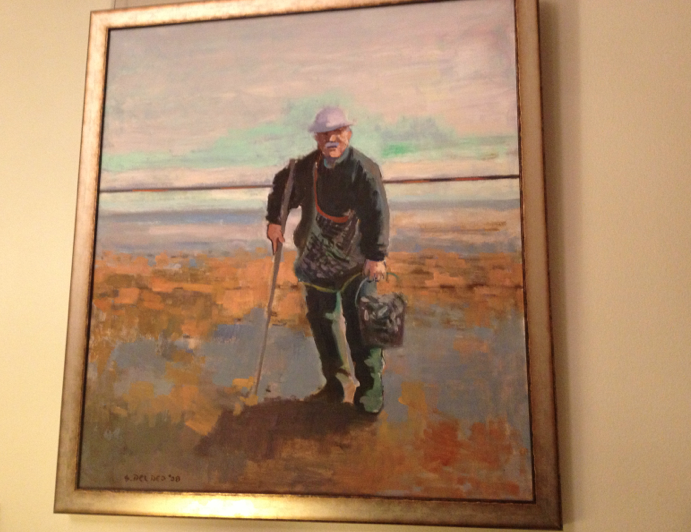
Screen Shot 2013-02-25 at 6.36.03 AM Screen Shot 2013-02-25 at 6.45.14 AMimagepainting

lights

lightslighting light villa otiumlighting


– Oslo Epilogue

window 8

window 17 window 16 window 16 window 10 window 14 window 12 window 15window window 14 window 12 window 9 window 8 window 16 window 10 window 6 window 5Transportation by rail to the airport.
window 4window 10window 12window 4 window 3window 7 window 2window 16 window 16 window 10 window 14

pasta
villa o
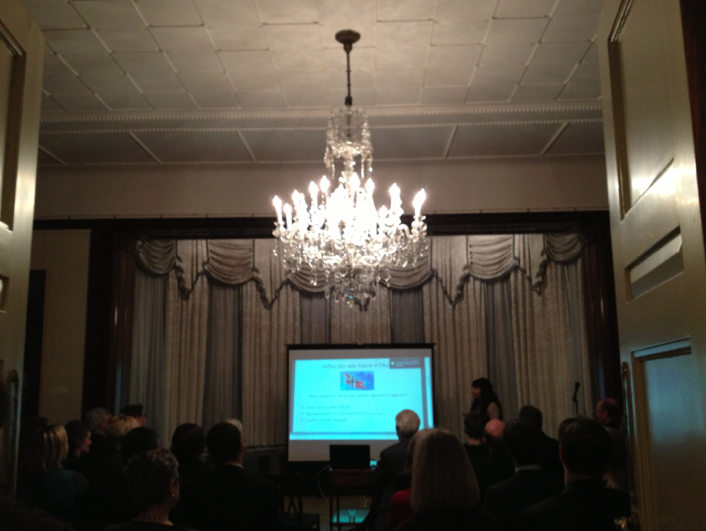
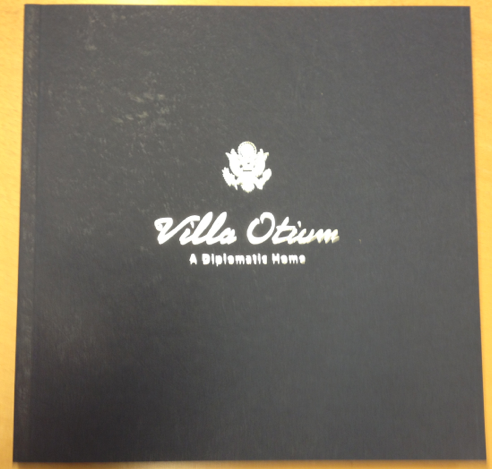
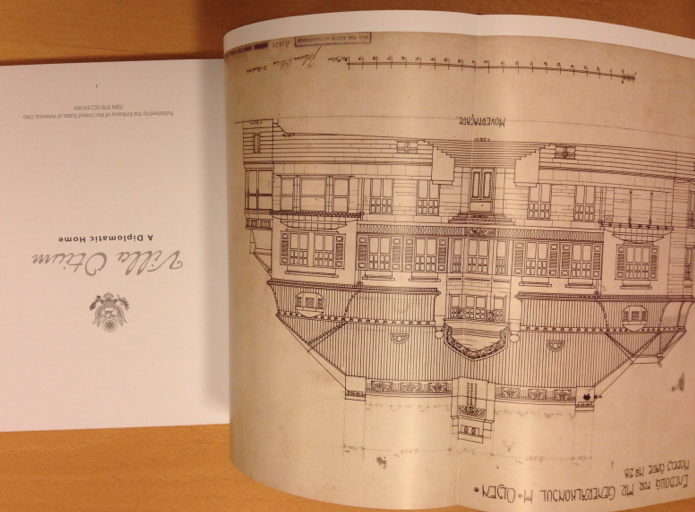
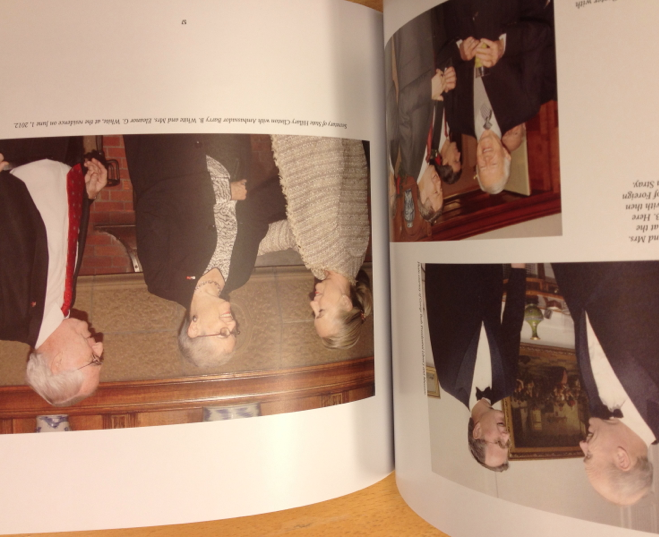
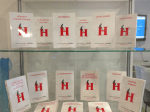
Actually, Timothy Moore, American Embassy diplomat here in Oslo, has compiled, edited, and co-authored on behalf of the United States government, a fabulous treatment of Villa Otium, titled elegantly as such. I had a chance to strum through its pages while at the reception, and even capture a few photographs of some of its contents. 

pages pages paege pageyIt is a collection of essays by architects on the Villa and historical treatments of its purchase at the turn of the 20th century.


A book genuinely to be admired.

Congratulations to Tim, the Embassy Staff, and of course, to the wonderful hosts of Villa O., The Honorable Mr. and Mrs. Barry White.
securitywinewineembassador

barry

whiteheadfood

foodphoto

photo

photo


February 13-14, Dinner at the United States Embassy, Oslo, Norway


invite
A return to Villa O…


invite also

Read Full Post »

– Staging of Verification

I have been testing out novel ways for establishing authenticity in fieldwork, while at the same time, creating distance from the economy of signs around which I identify objects of study.

Establishing authenticity is a crucial feature in anthropology and typically requires photographs of the anthropologist positioned among a group of informants. The image of “being there” in the field creates an aura of linking the anthropologist’s body to site locations and thus knowledge. There is an ethical dimension to establishing authenticity. “Being there” demonstrates an ability for taking on the subject position of the field, that is, the consciousness and ethics of those among whom an anthropologist is living.

Nevertheless, the display of this kind of subject positioning, in certain cases, embraces the very assertions of power through identification with the aesthetics of elite settings that, I argue, are the basis of observation in my work. That is to say, positioning myself in the traditional manner by which anthropologists establish their legitimacy could result in my enchantment by forms of power which serve as the objects of my curiosity and analysis. scandal series For the reason suggested above, I am exploring the possibility of creating distance between myself and my objects of study, while at the same time, establishing my authenticity of “being there” in novel ways.

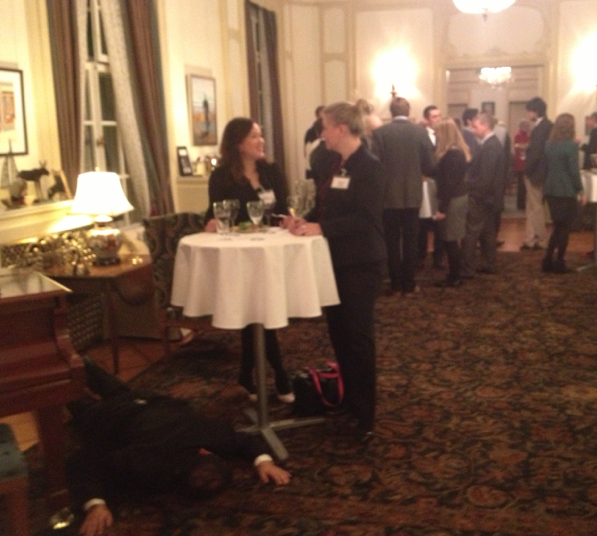
This image above is my first attempt at creating this novel approach to establishing authenticity. Here, the anthropologist appears passed out on the floor whilst participants to a reception at the US Ambassador’s residence in Oslo continue conversing as if nothing significant is taking place.

Link to:

Sensational Series No. 2


I am grateful to Mona Anita Olsen, Trina Halfhide, and Tore Hansen for assisting me in staging this setting. I thought quite a bit about it before hand and knew that Mona and Trina would be perfect subjects in this unorthodox staging of verification. Having Tore involved to take the photo was serendipity welcomed.

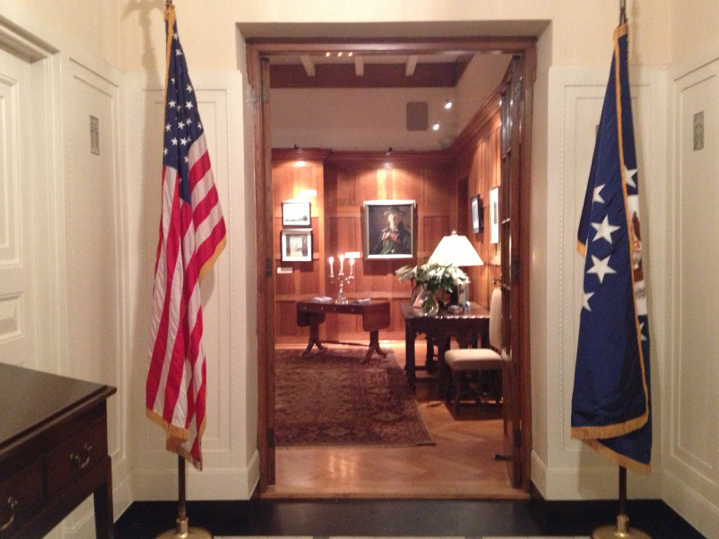
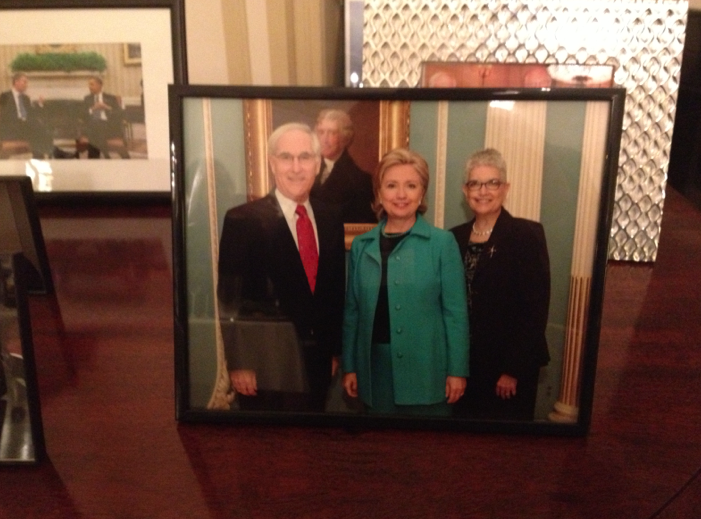
As you can see from images below, on display during the evening was an aesthetics of state power which included conspicuous images that represent executive power, for example, photographic displays of Hillary Clinton.hillary
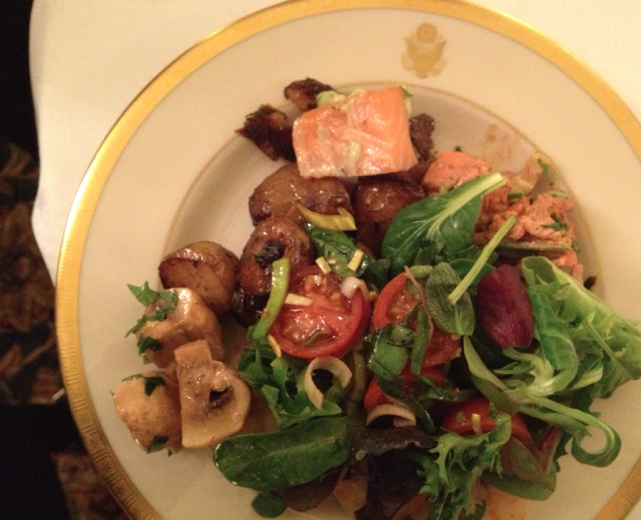
Another fabulous image for asserting state authority is the American Eagle Crest, printed directly onto to the plate, thereby, serving as a reminder that the state is both inviting and creating the conditions of welfare, by placing food on the guest’s plate, the basis of bare life.

I am grateful to Trina for pointing the crest out to me.
the crest

In this image, the Ambassador is flanked by members of staff (and former staff) attending that evening. It is a form of staging that asserts a relationship among proximity and serendipity, that continually reasserts the supportive function of assistants and personnel.

Concentric circle alignment asserts an image of agreement and therefore disperses this agreement outward (what popular culture refers to as “staying on message”). Ambassador Barry White

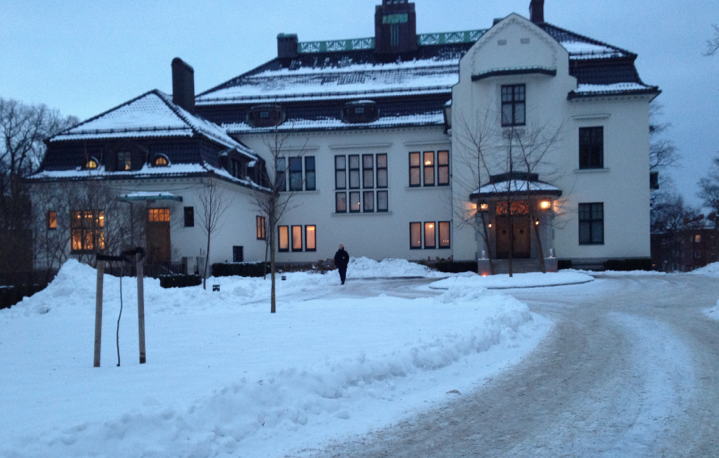
The Villa Otium, literally translated, “a place of rest and relaxation in retirement” is another visible signature that encases the small details (photos, crests) within a spatially bounded setting of grandeur. villa otium

Finally, this image of Trina, Mona and Tore, or variations on this image, labeled “honesty” when posted on facebook by Mona, is a great title, not only for what it conveys at the level of immediacy of friendship but also that honesty takes place and can take place within the confines of the social physics of state power, indicating conflicting, complacent, resistant, and complementary dimensions of necessary ritualistic re-affirmations of the state, creating the sense that authority is –and indeed it is, established naturally. young and restless

Read Full Post »

cover

Ru-No Barents Project.

INTSOK. Russian Norwegian oil and gas industry cooperation project in the High North. Exploration ready to begin next year. Knowledge and series exchanges tailor-made for cooperation between Russia and Norway on High North (5 focus areas, logistics/transport, drilling, environmental protection, etc.; 3 active task force core teams; 27 companies from Norway/Russia; 41 individuals from Norway/Russia; 4 workshops held with nearly 200 industry representations).
workshop
On January 29, 2013, I attended the 2nd Drilling, Well Operations and Equipment Workshop at The Corinthia, St. Petersburg, Russia. I will come back shortly and provide a few details on the way the workshop was organized as well as mention the particular resource field we used as an example to create discussion about how to move into the Barents and Kara Seas, technically, financially, politically, emotionally.
Ru-No imagethinkingpresentingteachingwriting implementsmore writing thingsleather caseswriting implementsmore regionregionhand out teaching images books still writing writing down The chosen
attendance

Read Full Post »

fisheries

self-portrait

Post Script

2/20: We turned in the ERC proposal (yay!).
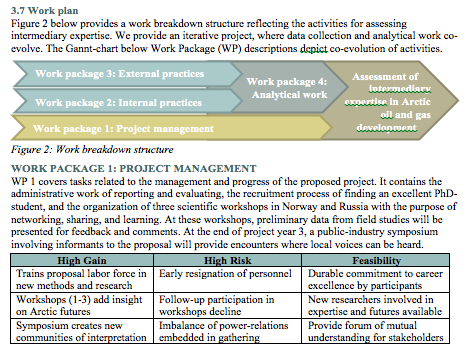
Gannt chartFisheries Epilogue: We are close to completing the European Research Council (ERC) proposal, and I kept a few notes along the way these past few weeks that I want to share with readers.

Nothing too startling, really, considering how much fun I had putting it together and working with newly minted PhD, Kathrine Tveiterås.

It was really swell.

We turned in the latest draft to a few folks for circulation, we will knock out the 5 page abstract, and then call it a day. Phew, that was an entire year that I put into moving that forward.

more chartsBut I tell you what, it would never, ever, have looked so awesome as I feel it does right about now without Kathrine’s help and the folks that came along with her at the Fisheries College, here at U. Tromsø. What a difference it makes working with a team.

I plan to complete a few more sentences right here, in a few days, but let us have a look at what few notes I jotted down along the way, shall we?

Addenda to Epilogue: 2/9 – We (Kat and I) received written feedback from three persons, U Tromsø postdoc Maaike Knol, ERC postdoc Egle Rindzeviciute, Mette Skraastad ERC workshop guru. We then met with Petter Holm and Peter Arbo, senior professors at U Tromsø in STS and critical theory. All of the feedback was instructive and attempting us to move toward a less cartoonish depiction of our object, which in part, was my creation, as way of dramatization. My caricaturization worked okay for a while, but as the proposal came more into focus, everyone wanted more. 
breakfastThe shocker came when we met with the [Thor]Bjørg[s]. That was hard, I have to admit that. Thorbjørg, in her inimitable politeness, pointed out that the proposal is simply not there yet, and has to be elevated to the status of skipping off the surface of the water.

Bjorg was more blunt. She simple does not want to be bored while reading the first page, let alone anything thereafter. That was hard. I have to admit that.

Kat and I regrouped. We divided up the tasks. Most importantly, I have to and will generate the Synopsis, a five-page abstract of the proposal with citations. I made several travel changes to my trip to Villa Otium. We will see what we can see. Ten days left.

1/17: I met with Peter Arbo at the Fisheries building, to discuss progress on the European Research Council (ERC) proposal. We sat for a little chat on the Q.T., pouring over the ERC draft. He provided valuable advice, mostly, that I have to unpack terms of art. Peter gave advice on the graphic. Graphic #1:
second modelThis is the original created by Kathrine Tveiterås. I like this image. But Peter could not read it, and found it static with unnecessary data. So. I came up with a few versions which I sent over to Kt. First revised version: eventing In this next image below, I high light two spheres of activity: eventing #2
Finally, the minimalist version:
eventing #3


1/15: Tromsø’s a swell town as any. I have the pleasure of working with a research partner Kathrine Tveiterås at the Fisheries building.

building

And also having coffee at Kaffe Bønna.

cafe

1/14: This was my viewshed for the day. Hanging out at the Fisheries Building, I shared a quiet moment of vertigo with myself while leaning over the fourth floor balcony.

fisheries

A lot of activity goes on in there. It has the feel of hustle and bustle, like a small self-enclosed city of different guild workers attending to their errands.

fisheries

I worked with Kathrine on the ERC proposal beginning at 12:30PM to 3:30 PM, came home at 8PM, ate, fell asleep until 11PM — procrastinating for several hours, waiting to begin work on the proposal. I committed myself to getting a draft together by next morning (in a few hours). I am going to doodle a bit more on this blog then work till 5 or 6 AM, nap, shower, coffees.

1/13: I worked with Kathrine today, continuing on developing our ERC proposal. It was clear to me several days ago, during the first real session when we decided to work together, that she had developed a better analytical grasp of the overall proposal than either Annamots or I could make out of it this past year.

refractive practice

For example, she notes early on an image of how the project works. Using the words I have written in the initial proposal, she drew a graphic which represents the overall dynamic of intermediary expertise. From there, several days later, she developed a follow-up image, which both tightened the proposal, and added another set of categories that I explained were not characteristic of what I had in mind. Essentially, in this next image below, the work of the persons we have in mind became commensurable with industry.

model

For today’s meeting she translated her notes, finally, into a graphic image (see above) that we could then examine and discuss as the basis for beginning to develop our research questions. We sat before it for about one hour, while discussing in what way it was reflective of what we wanted to say about what we propose to do and what we think is happening. I almost thought it was perfect. But then I suggested several items of difference, which I demonstrated in a crude drawing.

So. We began with this image, that Kathrine created, seen above on the computer screen.
After a lengthy discussion, we ended up with something akin to this model, seen below. I just created this, and I have asked her to create a new image based on our discussion today, which she is doing now. Instead of sending my own image to her, I plan to share it with her tomorrow to see if she has come up with anything radically different.
second model

1/11: Busy day. Great discussion with Kathrine. We spent a great deal of time laying out the European Research Council proposal. There was at one point, a bridge we needed to cross in order to understand each other’s orientation to the project. It was quite humorous. How shall I put this? It was as if she understood the exact pieces of the proposal and in fact, understood them exactly. But the way that she approached the task of assembling the pieces — it was as if we were involved in carrying out a science project. For this reason, having her on the proposal is the best thing for the proposal, because it is a science project. However, I explained that the way I assemble the pieces, the way the project becomes interesting to me, is when I consider the proposal as an art project. It is an art project made to appear like a science project or made to mimic a science project, to see what science could look like if we created an art project and represented it as a possibility for what science could do.

1/10: I had a great meeting with Kathrine Tveiterås. We went over the European Research Council proposal. She is so Smart!

fisheries
entrance

view
Katherine works in the Fisheries building, which has fabulous views of Tromsø. In addition to the great view, a coffee room on the 4th floor has quite a bit of artwork by the scientists who work in the building. We began with a brain storming session. She cleverly drew an image of what she thought the project was about. She suggested, if I understand her correctly, that my work deals with the “production of the condition” . Actually, I have an article titled Condition of Market Formation on Arctic Gas Frontier.
art Kathrine pointed out what would be good to know: What makes a forecast different from someone’s opinion? What is the description of the knowledge production that results in energy forecasts?

We did this for 1.5 hours, then headed over to have a chat with Geir Gotaas, at the Rector’s office. I wanted to walk him through the project.

view

Geir gave us plenty to think about. Who we should tie the project with on campus and to ensure that we are touching bases with the correct faculty. Things like that.

Read Full Post »

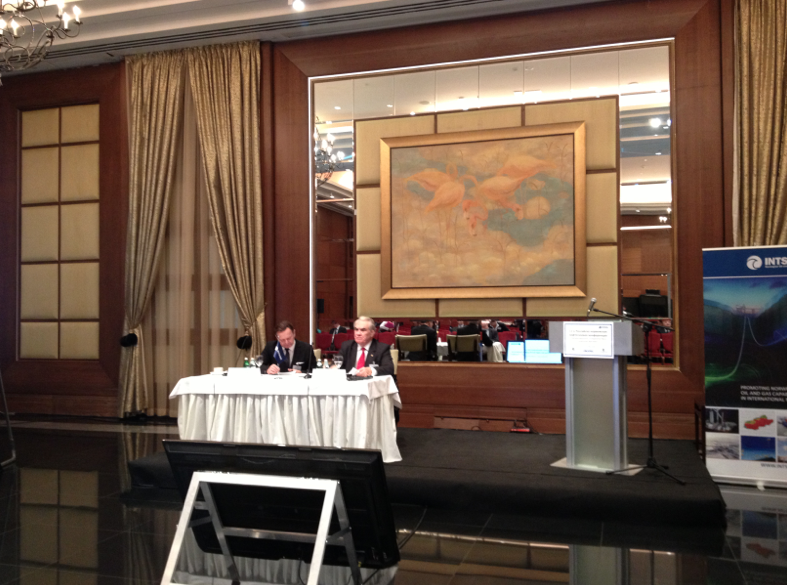
hotelWorkshop: INTSOK 11th Russian and Norwegian Oil and Gas Conference: “Unlocking the High North Potential — Together!” 

Corinthia Hotel, St. Petersburg, Russia, January 29-30, 2013.

shot

artwork

lobby

1/31 St. Petersburg Epilogue: I was lucky to meet Galina Nazarova, journalist covering economic and finance for daily newspaper Санкт Петербургские Ведомости, at the INTSOK workshop. Galina kindly invited me back to the office for a tour, located on 25, Marata Street, not but several minutes walk from Nevsky Prospect’s Corinthia Hotel, where I was staying for the workshop.
stacking strings attached
There, I became interested in the practice of stringing papers together on a daily basis for journalists to browse.

Reading areas fascinate me. The various reading rooms, libraries, and other such points of pausing to direct attention on text are important spaces in my study of experts.
news

news Galya and I became buddies shortly after meeting at the INTSOK workshop, where we exchanged notions about the quality of presentations, and where I begged her to send me her photographs of presentations after I misplaced my I-Phone.

After watching the way she would rush up to presenters after they came off the podium, peppering them with more questions, I began thinking that Galya might provide a great local counterpoint to our ERC proposal due shortly. This was perhaps a key point of our conversation the very next day, which also gave me an opportunity to see first hand, the journalist environs of the oldest newspaper in Russia.

In the images on the left, I captured the current front page, and the back page, which is an advertisement of the newspapers sponsor.


cards1/30: Well, we are well into the workshop conference and I have not been able to convey all the ideas expressed by speakers and all the subsequent ideas I have been able to exchange with folks here at the conference. But they are in my head, and I did experience them.

I should mention that INTSOK stands for Norwegian Oil and Gas Partners, though I have yet to discover for what the acronym stands.

It is a recently established organization, just 5 years old, but influential, as seen by the rosters of founders which include government (Ministries of Foreign Affairs, Petroleum and Energy, Trade and Industry), professional organizations (Federation of Norwegian Industries, Norwegian Shipowners Association, Norwegian Oil and Gas Association) and the Statoil company.

Before continuing, I should like to relate a short anecdote.

I had a great set of exchanges with gobs of folks here in The Corinthia, St. Petersburg, bumping into familiar faces so recently — from different towns, Houston, Stavanger, Høvik, Oslo — providing a sense of the uncanny, moments of confusion where we cannot place each other, and then we burst out laughing when it turns out we remember when just a few weeks previously, we gorged ourselves over meals confidently, chatting face-to-face, in another part of the world.

overviewAt the coffee bar today, I bumped into Boye Tranum, Associate Director, Risk Management Solutions, Det Norske Veritas (DNV), Høvik, and we immediately ran down the list of places over the past 3 months, looking for when our paths crossed, and it was at DNV headquarters outside of Oslo, this past October, where I had presented on invitation of Bradd Libby, for which Boye heaped compliments upon me.

It was the same with Alfred Nordgård, Special adviser, international relations, for Norwegian oil and gas, who I met in Stavanger in December. I turned in my chair, faced him directly, and said, “we must know each other, but from where?” “Were you in Houston? etc.” and then sure enough we remembered Stavanger. We laughed and reflected aloud as if we had no longer known one’s kin from business travel, which prompted more laughter.

But. Perhaps. A few notes now, concerning The Corinthia Hotel, are in order. It is self enclosed, self-sufficient. I am told at the bar by one of the servers that, “it is the most expensive hotel in the St. Petersburg”.

corinthiaAs such, with the comings and goings of business men, escorts, conference meetings, dozens of servers, it is reminiscent of the Hollywood movie, The Grand Hotel, with Greta Garbo and John Barrymore.

The Corinthia carries its own forms of expectation and causality, and overlooked transgressions in social etiquette by staff.

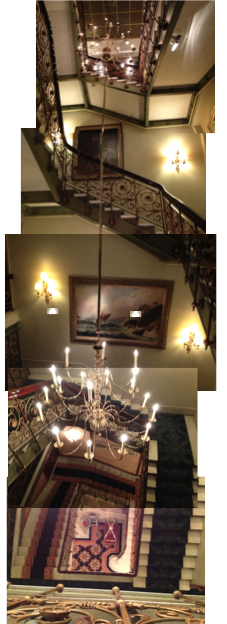
stairsIt carries an underworld element as well, perhaps, as all those big hotels do, a certain gangster excitement for those swept up by the hotel’s complex of orchestrated sentimentalisms.

A business etiquette reins in the lobby and in the evening, everything becomes topsy-turvy.

Okay. Here we begin. I misplaced my I-phone so my photos were be a little limited. Up now is Gennady Schmal, President Union of Oil and Gas Producers of Russia. He is speaking up a storm, about exploration and production on-shore and off-shore in the Arctic, referring to the Arctic Shelf, Barents etc., 6% of proven reserves discovered in Barents, with an interest in applying experience from Norwegian friends.
conference

zall
Here we go. Shale gas, “has not produced any revolution” in terms of reserves but a technological revolution and we need to study the US forms and technologies to be used. Speaking of priorities, we need to identify the arctic zone, certain regions require to be included in the arctic zone, including regulatory issues, 9 million sq. K., 12% of Russian GDP, thus, increasing efficiency is a priority, but questions arise, how should people (workers and indigenous peoples) be living under commercial conditions and should be taken into account.

screen shotSo we have a warm welcome by Gennady and up now is Yrjar Garshol, VP Marketing Rolls-Royce Marie.

Both Gennady and Yriar are co-chairs of the morning session. Well not too many comments from Yjrar, just a few reminders that we should have translation devices, and up now is Per Rune Henriksen, Deputy Minister, Norwegian Ministry of Petroleum.

And he’s off, speaking immediately about Norway’s priority on the High North, and strengthened relationships with Russia, responsible cooperation through the recent treaty with Russia, which now opens, a new chapter in developing energy portfolios. Giving a history of Norwegian development, the 1960s period of attracting foreign talent, who contributed with their skills, inviting a diversity of companies, stimulating competition and value, production increased etc., well, we know the story, modern Norway.

Goliath, Snøvit, major discoveries, a third major development, …

moreValue chain in the Barents, on going production, development of fields, all that is happening.

Today.

The delimitation line with Russia, Norway has a treaty that deals with cross border developments, in particular, the southern section of the delimitation, Barents Sea South East.

Long term and significant petroleum activities in the Barents, results in economic values for regional business, who in turn need to develop capacities to compete in participation. The Ripple effect. Success stories coming out of this part of the country. Education, on undergraduate and graduate level.

The Ru-No (Russian-Norwegian pronounced RU-no) project to handle Barents and Kara Seas production, innovation and capacities, high costs of off-shore developments, demands all kinds of experiences for facing the uncertainties of High North project.

Gennady is up again, talking up Arctic development, suggesting the Russian regulatory system has something to learn from the Norwegian neighbors.

comparisonmoreUp now, we have Oleg Korneev, Ministry of Natural Resources of Russian Federation. Mineral resources are important for certain for the two countries.

The main avenues of mutual cooperation are: prospecting for mineral resources off-shore, environmental protection of fragile environments.

Cooperation.

Cooperation.

Ah. Cooperation

moremoreArctic countries.

They all recognize close cooperation. Off shore, challenges in economics, legislation, research, and prime minister of Russia, Medvedev said, 2030 production in the Arctic 80 cubic billion per year in gas.

However, lack of financing could be a problem. Government and private partnerships are very welcome to Russia, for capital investment. Tax and legislative systems should require something akin to revision, for bringing in more private investment.

So here Oleg refers to the ability of Norwegian to invite and obtain high values from foreign companies. Making deposits accessible to foreign companies can be a unique tool for developing answers to interesting problems.

So, bringing in partners is an important part of Russian government initiatives.

Well. Up now we have Ali Majeed, VP Statoil. Statoil’s Arctic ambitions. Background on Arctic. Statoil has positioned itself a long time in the Arctic and they have the capacity to play a key role in development. They own large amounts of acreage. Core challenges. Ice, cold temperatures, darkness, vulnerable environment, remote areas.

side shotMore than half production coming from subsea. Tying back to existing infrastructure or subsea.

Ormen Lange 800 meter water depth, 135 KM to shore, complete subsea. Snøvit development. Ali rattles off several long sounds having to do with calculative dimensions.

Subsea compression. Enhanced recovery. Sub sea technology is a big advantage when developing Barents Sea, no platforms. Going through a genealogy of subsea platforms. Aasta Hansteen concept. Skrugard and Havis, high quality reservoirs in the Barents, new projects, and wants start up before 2020. Rosneft and Statoil agreement about safeguarding biodiversity, last october.

moreRu-No Barents Project, update. Thor Christian Andvik, Project Director.

INTSOK.

Russian Norwegian oil and gas industry cooperation project in the High North. Exploration ready to begin next year. Knowledge and series exchanges will be interest. Tailor-made for cooperation between Russia and Norway on high north.

5 focus areas. Logistics/Transport; Drilling; environmental protection.  3 active task force core teams. 27 companies from both Norway and Russia, 41 individuals from Norway and Russia. 4 workshops held with nearly 200 industry representations.

One workshop took place yesterday.

Anyone is open to attend. Full registration in workshops is avail. in www.intsok.ru

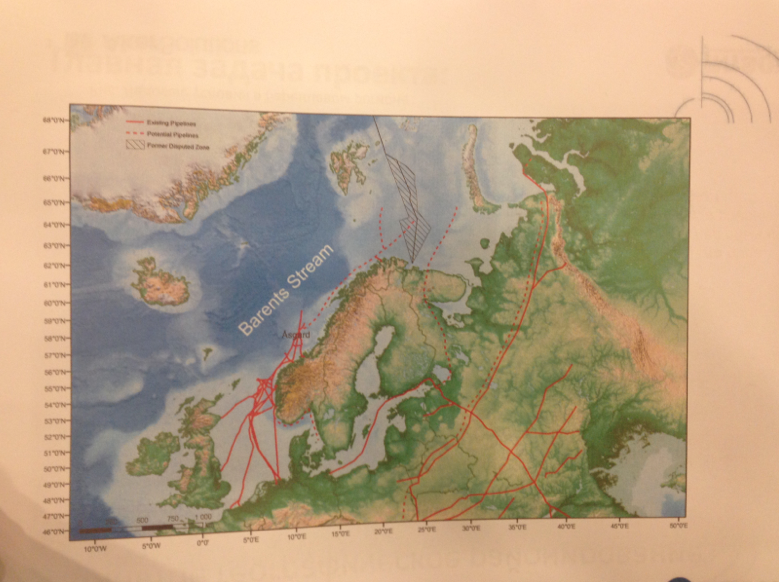
hotelJohan Petter Barlindhaug, Ru-No Task Force manager. Using a map to guide the area from short term to long term. Going North requires careful assessment. He used the term Parallelity, which I gave as the subtitle to this particular entry. I should point out here that JP Barlindhaug has a fabulous reputation for working well across the Norwegian-Russian border. He is considered the “gold standard” for moving energy projects forward through his connections to both Russians and Norwegian business.

In his talk, he mentions in fact, that Norway opened itself up to foreign investment early on, and benefitted from off-shore capacities brought to the country from the United States and elsewhere, and that in Russia today, the entire Arctic frontier from Barents to Sakhalin is run by a handful of Russian folks, who could benefit from Parallelity of practice. I thought that was a key phrase by a key individual on a Norwegian-Russian exchange, about working together to open up the frontier.

Geir Sjøberg, INTSOK Senior Advisor, 2020 short term, 2020-2040 mid term, 2040-? long term.

Anton Sungurov. Rystad Energy consultants opened an office in Moscow, and Anton gave a lecture. Interesting. He was introducted by Yjar as the man to turn to when wanting to know: “Where to go, and when to go”. Note to self.

discussion workshopAnton. upstream analysis. Forecasts. Here now. A number of photographers have gathered to take shots of Anton. Draws attention to sea Okhosk, but even North Caspian can be viewed as Arctic, though I won’t be speaking about that. [Problem with the slides — “It happens sometimes like that you know, when technology fails”]

talkingOkay. Started again. Recognizes USGS 2008 figures, important, though exaggerated. After this paper was published, the major operators announced major operations in the Barents. Will not expect major work on the arctic until mid 2020s. North American arctic shut down because of shale gas, Barents will interesting.

This is an interesting talk. Outlook: For Russians, the Barents is the most important, less ice development. Kara Sea should be seen as part of the Yamal Mega project.

Gennady jumps on Anton, metaphorically, for stating that growth would take place in Sakhalin, but Anton says he is referring specifically referring to off shore.

enroute 2 enroute
Mr. Energy Seminars (that’s me!) will be reporting to you personally, in real time, about all the fleeting phenomena we encounter during our little journey to Russia.


By the way: Upcoming soon, the 7th Arctic Offshore Workshop, sponsored by the PETROMAKS 2 program of the Research Council of Norway and The Arkhangelsk Scientific Centre of the Ural Branch of the Russian Academy of Sciences. The workshop will be arranged in Arkhangelsk, June 17th – 20th 2013. We attended the Petromaks workshop in June 2010, taking place in Murmansk, and plan to return.

tarmac

Read Full Post »

Paris

filezines


Workshop: Energy scenarios and public debate.
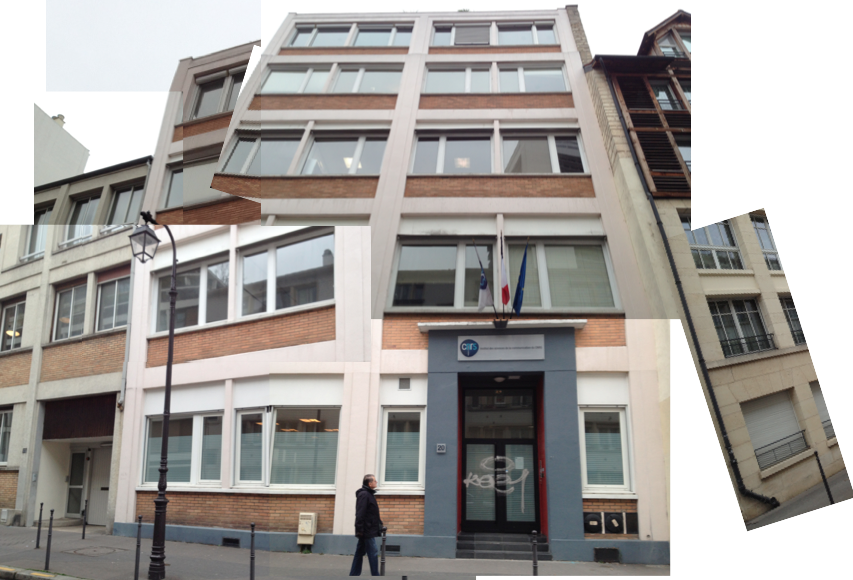
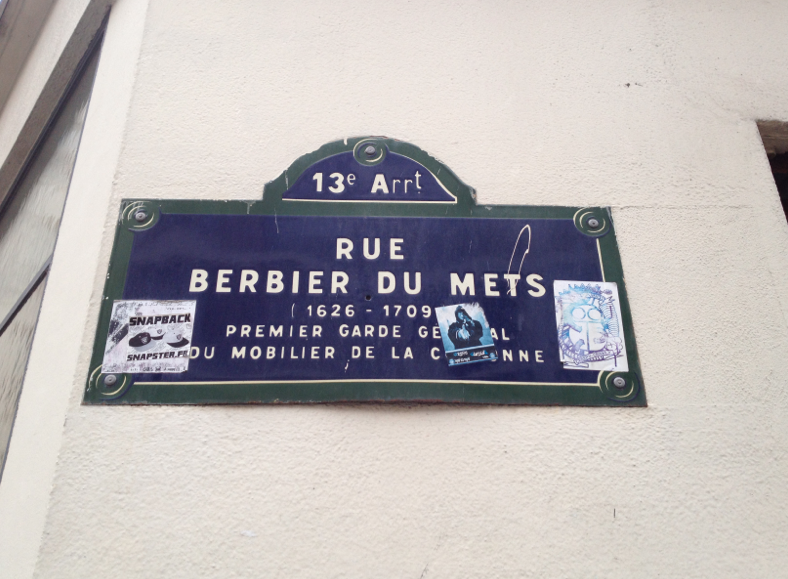
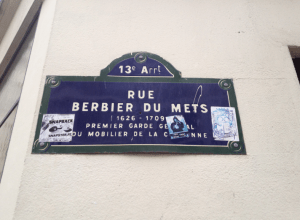
Le Centre national de la recherche scientifique, 20 rue Berbier-du-Mets.
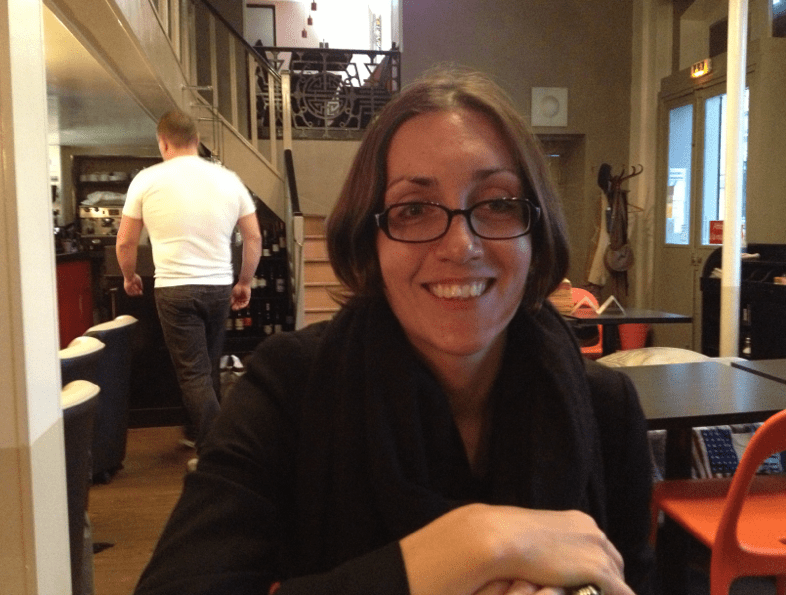

duchess1/24 – Paris epilogue: I had the pleasure of sharing afternoon tea with historian of Soviet cybernetics, Dr. Egle Rindzeviciute, currently Researcher, SciencesPo, Centre d’études européennes. Dr. Rindzeviciute has an impressive resume, as one would expect at such meetings and occasions.

By comparison, our discussion was quite modest.

I inquired and, in fact, learned, for example, that there are no princesses in Lithuania, the country from where Egle – if I may be so bold as to suggest we are on a first name basis- hails.

But. There are other such titles in Lithuania, for example, the title duchess, a point, we agreed, that is worth remembering when she decides to travel to California. Another area that we have in common – other than our fascination for Baltic royalty, namely — is that both Egle and I order –what other persons order when we go out to eat. But here, we have our different reasons.

In my case, as readers are well aware, I want to feel what the other person is eating. On this point, Egle proved to explain herself one better, suggesting that locals tend to have a good sense of what is on the menu.

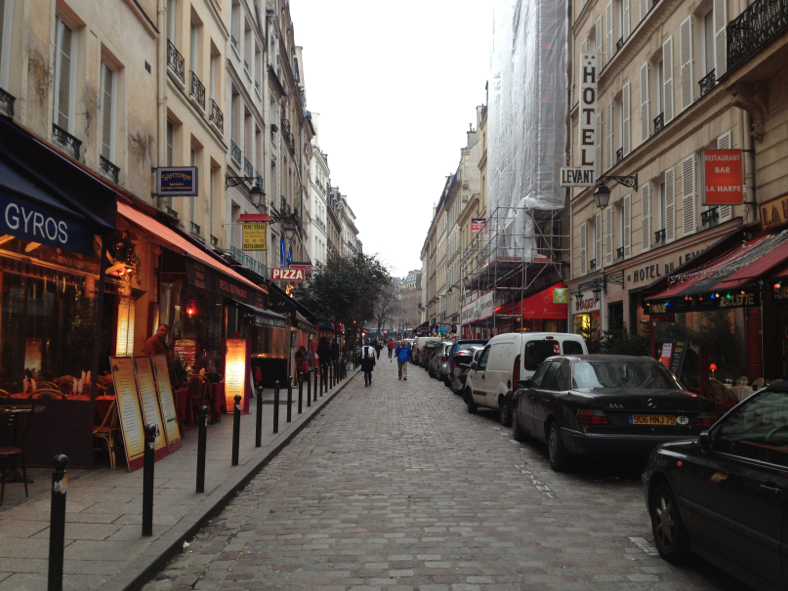
street

Well, it was from Egle’s question yesterday, at the energy scenarios workshop, inquiring into the role of interested parties, specifically, wanting to know more of about the role of utility companies in determining policy outcomes over attempts by the German government to mothball their country’s nuclear electricity plants, that I took an interest in who Egle is (or perhaps it was a question concerning “efforts of pro-nuclear lobbyists that represent[] the nuclear industries, not utility companies” [?]).

In any case, certainly, a government-taking of private investments, especially on nuclear, long considered cash machines in the United States because of their long-term operability, is an interesting question, especially in the context of discussions focused, as they were yesterday, primarily on issues of demand and fuel switching.

That was my pretext, at any rate, for an introduction to Egle.
stairs
Actually, Egle is participant to one of the European Research Council (ERC) funded proposals that I had my eye on while reviewing the relevance of previous ERC projects to my own proposal.

The title, A Political History of the Future : Knowledge Production and Future Governance 1945-2010, or simply, FUTUREPOL.

Of course, the title caught my eye instantly.
atm
Previously, I had run a conference seminar titled “Histories of the Future”, probably having done so in recognition of Reinhart Koselleck‘s Future’s Past.

Here, Futurepol examines knowledge of what can be known about governing the future, how the future is drawn into the present as an object of governance. Interesting stuff.

Over tea, I blathered to Egel of what I do. I blathered so much, that Egle referred to me as Mr. Energy Seminar, in honor of my passionate description of studying how folks get together to talk about energy.

I was a little embarrassed, but not much.
food
Speaking of which, I pointed out that one of the things I learned yesterday, was the phrase: energiewende, which means energy transition in German.

“Wende” or the wende part in that word, means something more like “turn around” or “switch” and the entire phrase was coined in 1980, by Florentin Krausse who conducts just such a report, on energiewende, while associated with a small alternative energy development think tank called Öko-Institute.

seafood
This discussion, in fact, was part of a larger theme of studying expertise as an integral part of the policy process, which typically focuses on agendas and the policy cycle.

Recently PhD minted Stefan C. Aykut, Université Marne-la-Vallée et IFRIS, one of the organizers of the seminar, provided an excellent introduction, including a genealogy of the rising importance of energiewende in German discourse, to the status that it enjoys today – where it is quite nearly impossible to have a debate about energy in Germany, without discussion of energy transition.

I should point out, that what caught my attention also, was the issue of energiewende itself, that within the context of this particulate meeting, we would develop an interest and discussion about this phrase, tying it to a previous historical context of American discourse surrounding soft paths, or distributed energy systems promoted by Amory Lovins, but also as was explained to me by political scientist, Luz Mez, of Freie Universität Berlin, the term wende in energiewende derives, actually, from Sailing, where it is used as a term of art in referring to the correct manner for turning a sail boat around.

In fact, as Dr. Luz pointed out, rather enthusiastically, to my delight and increasing attention, that another German term wälze (sp.?) -or something to that effect, refers to the wrong way to turn a sail boat around. stew

But here, I made a mistake, and did not ask him whether the term energywälze is in use.

Oh well. We can get to that later.

Did I mention something about food yet?

I should like to remind readers that food is always a big deal everywhere I go. Not to digress, but eating provides such a break in the context of interaction. It is a ritual occasion that completely redesigns all events.

We know this anthropologically from W.R. Smith‘s Religion of the Semites, especially his famous quote concerning with whom you dine determines who considers you family.
fruit
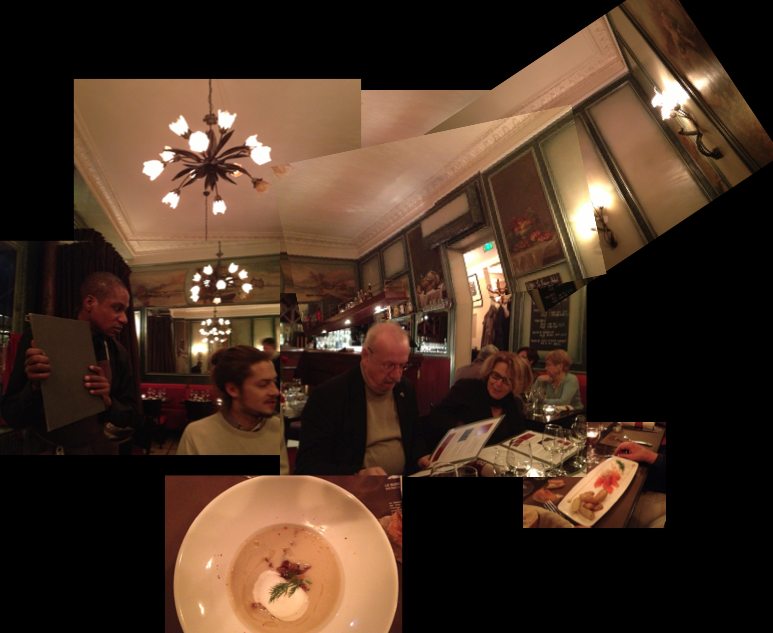
As a matter of fact, I want to take a moment to thank workshop co-organizer, Amy Dahan, Centre Alexandre Koyré, CNRS, for including me in a wonderful dinner at Le Buisson Ardent, located opposite the campus of the university, of which I do not know, but I can tell you, that the restaurant was hopping with academics, including ourselves.

In addition to Stefan, Amy and Lutz, we were also joined at dinner by Jürgen Schmid, Director, Fraunhofer Institute for Winder Energy, and his lovely wife, whose name, forgive me, escapes my memory.

outside
1/24: Attending workshop: Energy scenarios, public debate and ecological transition in Europe, Le Centre national de la recherche scientifique at Institut des Sciences de la Communication, 20 rue Berbier-du-Mets.

I learned of the meeting from my ERC team buddy Kathrine Tveiterås, of U Tromsø, and decided to blow down from Oslo, to check out the scene. The meeting is taking place right this moment! In a seminar room, there are about 23 people, which is quite a lot for this kind of academic gathering talking, about energy futures.

participants
I actually walked here yesterday from my hotel, just in case I could not find a taxi this morning. I always want to be prepared in advance.

Amy Dahan, Centre Alexandre Koyré, CNRS, co-organizer, now commenting on a talk given by Arthur Petersen, Netherlands Environmental Assessment Agency, and noting that in France there is a lot of discussion at the public level about futures and scenarios of environment and energy production. Arthur P. responds by stating that political discussion at the level of intellectual debate in the Netherlands is perhaps lower than other countries that he knows of.
streetNow we have political scientist, Lutz Mez, comparing France, Netherlands, Germany, in which France is the most central, Germany a federal state struggling with the past and a dominant nuclear industry with engineers as part of a cartel.

Well, I must admit, I have started this blog a little late, in part because I did not know there was an internet connection, but we are going to break for lunch at this moment, and I will return with all the details from the morning. I am hungry!

BACK FROM LUNCH.
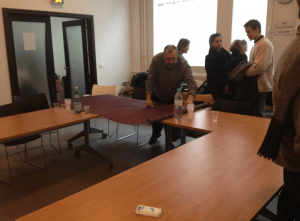
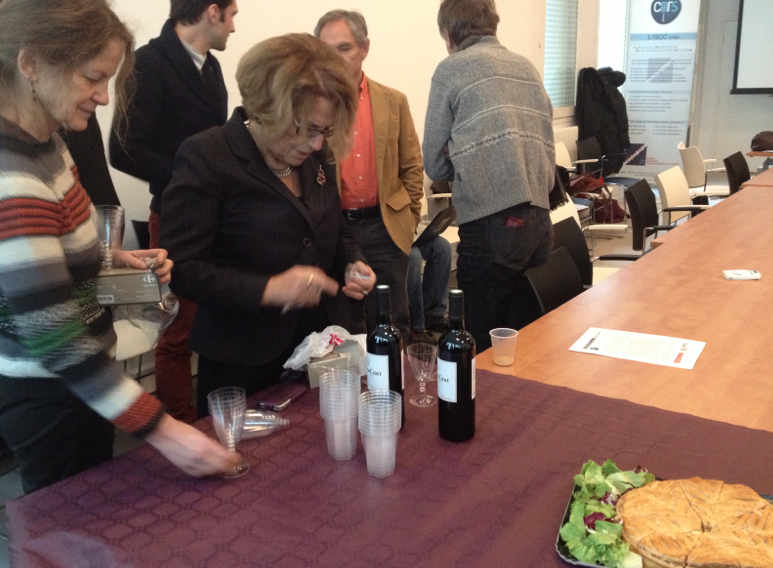
setting upWow. That was delicious. I took a lot of photos of lunch. I always focus on food. Okay. I have a few things to say about the morning program, but let us go straight to what is going on right this moment.

I am very much looking forward to this talk, titled Energy Debates and Controversies as a Field of Research, by Arthur Jobert, sociologist, EDF R&D.

Three issues: Exploration (the work of social actors investigating the issue); Sites (where the discussion takes place); Devices (mechanisms, technical, political, scientific rules).

spreading the foodThis is interesting. How can I relate this, well, Dr. Jobert is walking through a genealogy of energy debates and subjects of controversy since the 1970s, and categorizing them in terms of the three issues I just noted above, Exploration, Sites, Devices.

He has a little graph posted up on the wall and talking about shifts in discourse, for example in debates, from energy to environment, and even identifying the duration of debate as well as the institutional form, which is what I consider interesting indeed.

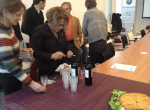
food opening the wineEssentially, he retains the structural political form of the debate, and he says, the “more we go, the more ambitious we become about the rules of debate,” a sign, he suggests that it is becoming more difficult to have public discussions over energy development. That makes sense.

I should add, by way of parenthesis, that Dr. Jobert has taken an interest in my little internet site, and that means another reader for the paparazzi-ethnographic blog!

Reflection on design of current debate:

pouring the wineFor a debate to be “felicitous” (a word drawn from John Austin’s performatives), the public must participate as a precondition, must be national and local, and there is discussion in scenarios about both consumption and production.

What else. Well, the governments in debates are as large and pluralist as possible, and must result or lead to governmental measures, meaning? Perhaps a form for state craft and legitimacy — the opening the box on the one hand, and delivering policy measures on the other hand.

my foodThis is interesting- devices: how political and scientific representations of the public occur. Basically there are two type of devices to present the public, science and politics. Politics would be mobilizing through demonstration, petition, while science is argumentative, through logics of clarity and seriousness.

Surveying the articulation of different debates, on line, public meetings. More.

Next presentation: David Bernard, from Atomic energy. Well, David is speaking in French, so that is bad for me. But his slides are in English, so there is some consolation there. Nope, the slides shifted back to French. Well, that will give me an opportunity to talk a little bit about what was going on this morning.

break/procrastination. One item mentioned is that the current generation would be responsible for the energy transition, which means covering the cost of bringing down the costs of renewables, as well as the takings involved with shutting down industries, and that we would rely on debt to pay for it all.

participants Okay, my notes from this morning. Just a few editorial comments before I begin: The workshop rightly notes that the turn to studying expertise as an integral part of the policy process including agendas and the policy cycle has arrived. But what we did not discuss is why. My own sense is that if we go back 25 years, what we would be talking about instead of expectation and expertise — is legislation and review. With restructuring, new actors emerge that reframe policy circles and agenda setting from without. Okay. Let me begin, these are just unadulterated notes from the morning opening:

In Paris, Amy Dahan introduced the energy scenarios workshop by stating the project began last year from a look at methodologies of IPCCC 5th report of scenarios and from discussing a comparison between Germany and France on energy scenarios, by Stephan Aykut, then a PhD student, now postdoc and soon to be a permanent researcher at Le Centre national de la recherche scientifique.
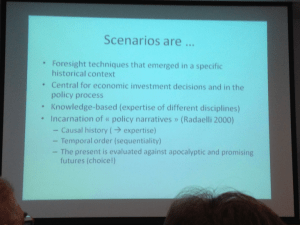
scenariosStephan began with an introduction about his comparison between the two countries and specifically, the energetic turn in Germany. He spoke of utopian scenarios as an ongoing occurrence now in Germany and the French President launched initiatives of energy debates from January to June before new decisions. There was a limited introduction of participants in the room by Amy, including myself, in which I appear named as working for the European Union on energy issues.

Stephan mentioned the need to examine how society projects itself in the future and how these debates are constructed in the present and then introduced the various speakers of the day and that there would be a lunch, here, in the room, as well as time to discuss the topics in an easy way.

bottlesStephan then began more formally, by stating that climate policy is a new policy field in a different context — and that the emergence of climate policy is closely linked to energy policy. The energy system is a major emitter, path dependencies in the policy field reflect political choices –

He turned to the topic of energy scenarios in public debate. We are in a special moment, he pointed out, that many different questions are pressing today, putting energy policy more at the forefront. Catastrophe of Fukushima, global climate policy, emerging economies putting pressure on International energy relations, the whole discussion on shale oil and shale gas (which he called “tight” oil and gas).

energywendeHis first observation: despite all these challenges, there are advances, climate energy package, Lisbon treaty, Europe struggles to speak with one voice on energy perspectives.

The Workshop: organized to confront energy debates in different countries. More than ten years after the initial phase out decision, to rely increasingly on renewables in Germany, and two years after the re-affirmation of this decision.

First conclusions (key to the workshop): Distinguished German experts here today – the German example is discussed very emotionally here. Put in perspective because it plays an important role.

Question – energy field as processes of internationalization, markets increasingly integrated and actors in the energy field, and risks, and different government regimes, an environment that cross borders, and even yet, there are still national priorities that exist. Why is that?
shellAt the theoretical level, one of the aims of the workshop- energy policy in the social sciences, we often enter the subject through interests, geography, actors, perspectives – here, we are looking at it through the knowledge perspective. How can we understand energy through the scenarios perspective.
graphsWhat are scenarios?

They have history, emerged after WW2, the Rand corporation and the French planning state. They begin to play an important role after the 1970s energy crisis and nuclear. The necessity to think the long term because of the reliance on importation of oil, so important for political actors to take a longer view.

Based on future energy demand, prices, social constraints of environment. Why scenarios are important – because they inform politicos on policy options, provide investment decisions to economic actors, and for NGOs a position for civil society to take a stance.

States of enactment, global energy futures – studying the way societies project themselves into the future. They are knowledge based as well as political, because they reflect value choices, but also based on expertise, geographers economists, — more general trend in social sciences to be based on expertise.

The turn to studying expertise as an integral part of the policy process including agendas and the policy cycle [a key phrase]

signPolicy narratives are policy choices that are causal narratives and that is where expertise comes into play, creating a causal chain where things happen, construct a temporal order – foresight gains new status, because the present is evaluated against apocalyptic and utopian scenarios, makes decisions important today, because “if we don’t do this, — this and this will happen“.

One or two examples. First example: Germany:

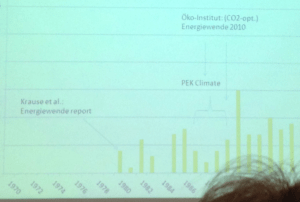
PEKStephan begins with a graph of google scholar of “energiewende” – German word for energy transition (energy turn around, or energy switch).

It emerges in 1980 as a result of a report, based on a book published in 1977 soft energy path by Amory Lovins, which begins a whole discussion on distributed energy. Established a scenario on limited growth, solar, and limited nuclear – the first report.

Not taken seriously by the energy community, but certainly by activists. Talking about a climate commission in the 1980s. Referring to a policy side and a doctoral side – parliamentary debate consists of political and academic expertise.
keyboard
3 scenarios. Look at the slide above. 3 PEK scenarios. Different policy options, they inculcate different cosmologies or different narratives – reduction and phase out after 1995. Energiewende becomes hegemonic in energy scenarios in Germany.

factor fourNext example: French. Factor four. Important book on energy savings and efficiency [this section does not make much sense to me, as much as the German example].

In all scenarios – energy consumption increases considerably, almost a doubling of consumption, and the share of nuclear is stable or increases. Ambiguity of scenarios—policy tools that can open debate and grant legitimacy to marginal knowledge, but it can also close debate, by being based on expertise.

energy wendsI asked the question of how Stephan gets to the word hegemonic.

He responded that it is not scenarios that become hegemonic, but a certain way of framing ideas in energy policy, energy transition, that become important discourses throughout policy in all general levels.

The general level is hegemonic in that it becomes a common force for all thoughts about energy debate.

Two case studies are used in order to show what functions scenarios can play and what opposite functions. From marginality to becoming important in Germany – appropriating expert knowledge in Germany by Greenies, and being able to speak in expert language. In France, how scenario-making can become a force of expert knowledge and inscribe path dependencies and then discard alternative options.
airport

Read Full Post »

home
opening
foodimage

image

reception


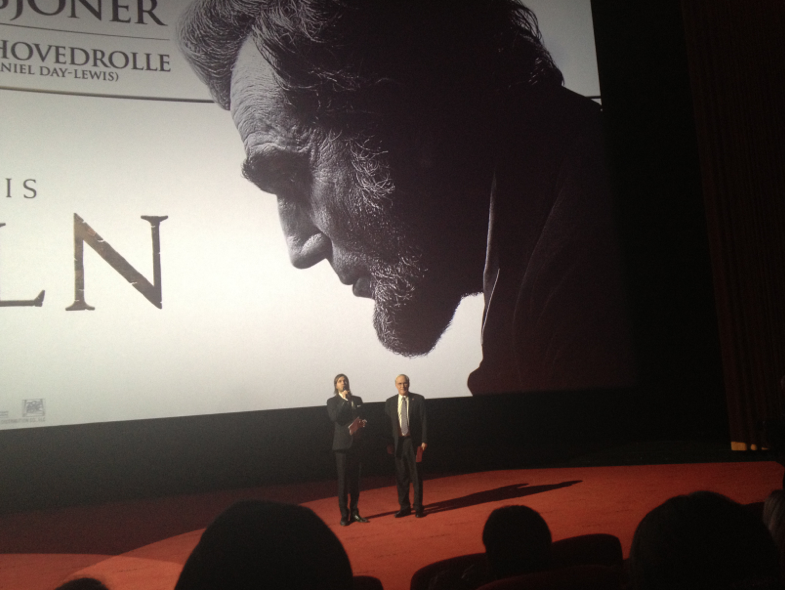
lincoln

inside

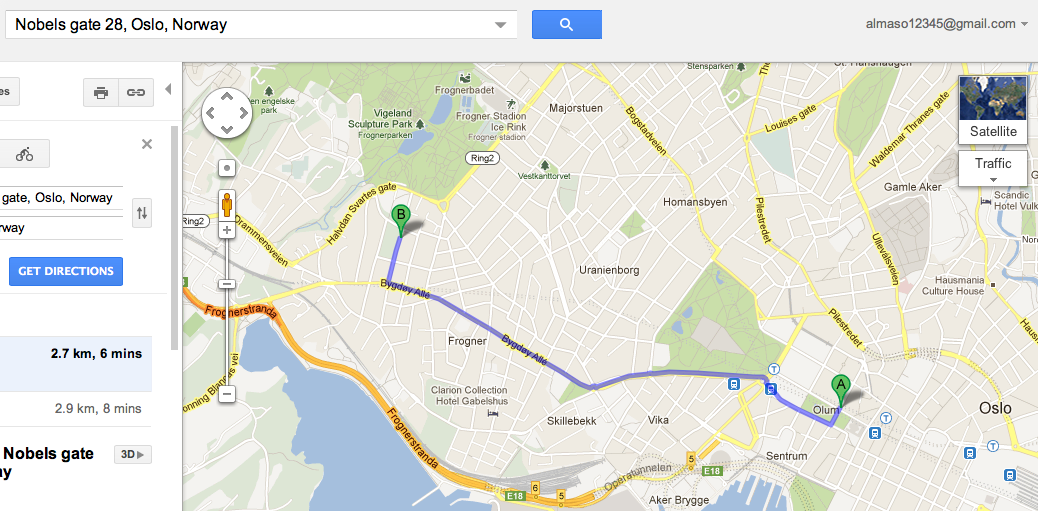
1/20: Just leaving Tromsø, heading down to Oslo and looking over a map, wondering what is the best route to the Ambassador’s Residence. We may walk or take a taxi, depending. I will be with Kaare Hague, former Norwegian Consular General to Russia, who is a mentor on my research and for whom I thought the invite might be of interest.

map


Upcoming on January 21 :

A reception at the American Ambassador’s home on Monday 21 January at 6PM in Oslo. Ambassador Barry White wants to celebrate the inauguration of President Barack Obama. The actual ceremony is in Washington DC that same day at noon (6 hours behind Oslo time). I think the Ambassador’s plan is to invite a few folks over for drinks and to watch the ceremony on television.

It should be fun. If you would like to attend, please let me know sooner than later, so that I can arrange an rsvp —  security is tight. I can swing by and pick you up around 5:30PM — or if you prefer, we could meet directly at the embassy.

Read Full Post »

« Newer Posts - Older Posts »