Feeds:
Posts
Comments

Petrorama

MuseumpetroramaI visited the Petroleum Museum in Stavanger. Impressive indeed. The museum is well designed and offers quite a few distinct installations providing easy to grasp information.

In this way, the viewer gets a quick understanding of an incredibly complicated set of operations. The ticket salesman started me on my tour, and even gave me a discount (25Kr less) because I had arrived toward the end of the day.


drill bit
projection


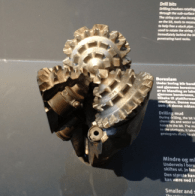
As I entered, I came face-to-face with the “largest drill bit in the world”. I wrapped my arms around it, and gave it a good TSA-style pat-down.

From there I passed a set of panels describing Norway as one of the world’s oil nations, and read up on the loads of money in billions of Kr that flow into the Norwegian government coffers from oil exports.
bar
sunday brunch


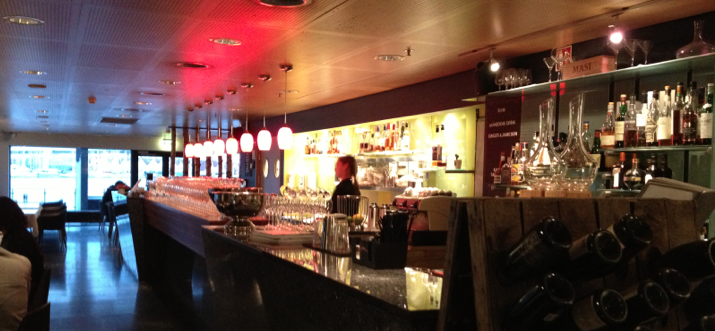
On my way, I passed by a fancy bar and restaurant inside the museum. The Sunday Brunch menu looks yummy as did the premium wines and hard liquor, not a standard in American museums.

The first installation is the History of the Earth room, which answers the question of “Why does Norway have oil?”


There are a number of, what appear at first glance as slot machines. That is, there are well-lit up kiosks that provide a natural history lesson covering billions of years of geographical history. Also, there is a movie projected on an earth-like orb that hangs from the ceiling. It depicts the movement of tectonic plates and the continents over billions of years in about 8 minutes.
slot machines?
This floating earth above my head was mesmerizing, especially when it shows a meteor screaming down on to the Gulf of Mexico, exploding and sending ash into the atmosphere. I stayed to watch the movie a few more times, even though I knew the museum would soon close. I took snap shot after snap shot.
ancient world
earth's movements

A collection of various types of drill bits was interesting, especially since there was a window above the bits, where I could see the bar/restaurant, which made me a little hungry. The bits were adorable, almost like I was in a jewelry store and looking at some fabulous gems that were placed on artistic mounts.
bit

bit

bit

bit
bit


From there, one finds a number of dioramas that depict a series of models on a scale of “1:750” showing the innovative methods of drilling and production at increasing depths. I like dioramas. It reminds me of when I was in the third grade. Back then, we were asked by the teacher to bring in a “shoe box” to create some kind of story through paper cut-outs and glue.


diorama
I remember quite vividly the story I depicted. It was the Battle of Hastings, in England, because my father said we had a relative who fought in the battle. The diorama depiction, however, was not as practical as I would have hoped, with my colleagues suggesting that I had put “raisins” in the shoe box. They were supposed to be “people” charging down a hill to battle.
diorama

diorama
There is a fabulous collection of models of vessels and installations that my photography did not do justice to.

Soon after the models, the viewer is invited to Take a Journey Offshore — passing through a room that resembles a helicopter cabin to create the illusion of a journey to an offshore platform.
model
Technology in Depth, is one of the best depictions I have seen about explaining the complexities of oil and gas development. At first, I was not too excited about it. It is movie that recounts the pioneering technology for a very deep water installation that provides natural gas for export to the United Kingdom.

Outside the mini-theater, a little poster mimics the kind of posters one sees at a regular movie theater.
movie
Also, there is a timer to indicate when the next movie showing will occur. Walking into the last few moments, I was not impressed with what was playing. An actor from England had just arrived home to realize that he had not paid his bills and that his electricity was being shut off.

But I waited for the next showing of the film.
movie
And I did this, because while I was in the theater, I overheard someone who just finished watching the entire movie state, “amazing, that is an amazing installation”. So, with that recommendation, I wanted to see what the hubbub was all about.

The movie was fantastic.

Basically, the actor leaves his home in the UK, flies to Norway to see where his stove pipe natural gas (for “making a cup of tea”) is coming from. He ends up, in his first location on an off-shore rig off the North Sea coast of Norway.

There, the movie depicts with animation, the laying down of pipelines along the sea floor to bring the natural gas to shore for processing and then, the export by pipe, the longest underwater pipe in the world, to the UK.
movie
From there, the actor heads over to various locations where different operations are taking place, including a housing site for all the steel pipe. The massive interconnections of everything in the video made me really think about what small aspect of the industry that I cover, and how it is that so many of the people that I work with have nothing in common with the daily practices that put this vast infrastructure into place.

Two other movies are available, one that depicts divers working in underwater to realize the Norwegian Oil Adventure.

Again, I was almost quick to run through the movie, but it was fascinating, a combination of real live video and animation, demonstrating the installation of deep sea pipelines.
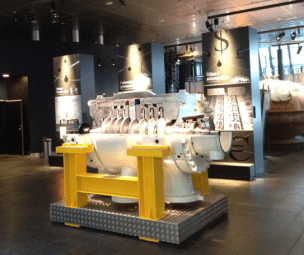
gas compressor
Finally, Petrorama provides a wide view of Norway’s oil history, and is a mural that surrounds a cinema for the movie Petropolis.

This is a 3D film about oil and gas with cartoon creatures talking to the audience. By this time, even though it was in Norwegian language (the other films were in English), I decided to step in and take a seat.

I was not disappointed.
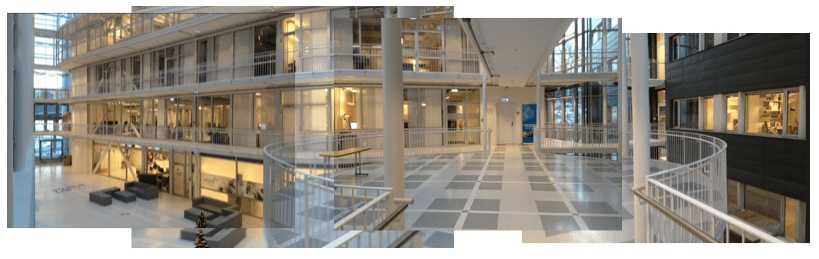
museum
A photo of the museum above, depicted as stratigraphic layers of sedimentary basin.
oslo epilogue

lunch

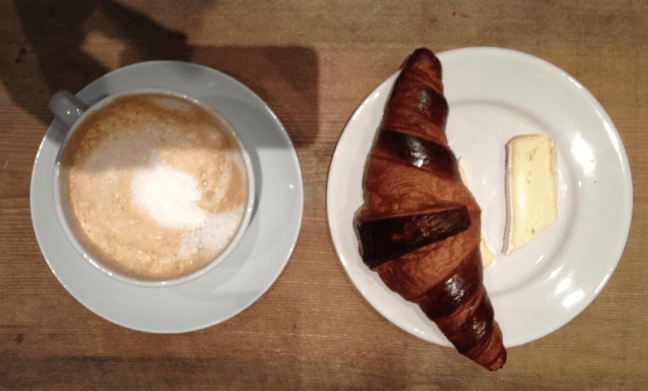
breakfast bartender dinner

morning meal

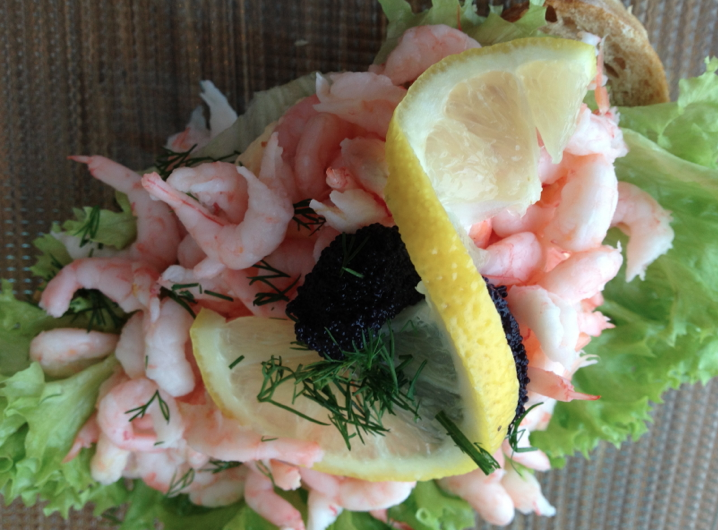
food

Yummy


En route to Stavanger, but one more thought:
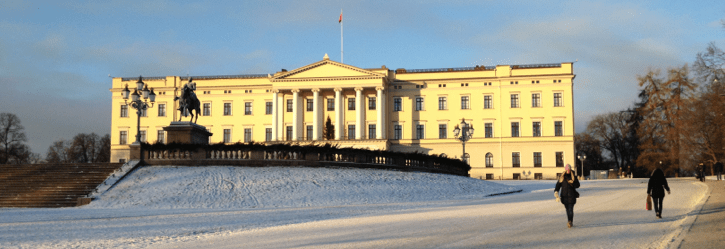
kings palace
At CICERO the day before, during an interview about what I might bring to the Ny-Ålesund Symposium, I was prompted suddenly, to provide specific details about what kinds of regulation industry requested on Arctic natural gas development, using an example from the Alaskan context several years ago.
cicero
The question struck me acutely. In-depth details associated with anyone particular statement, while in my head, are rarely requested.

At this moment, I switched into a kind of second-order routine of work, consisting of details that were still known to me, and to an extent routinized, but definitely not associated with my typical set of statements.
cicero
Nevertheless, once I began talking “in detail” — I became more excited, and began to deliver data in a similar manner to a scene from, say, Fydor Dostoevsky‘s The Idiot, when, during the engagement party at the Yepanchins‘, for example, Prince Myshkin speaks about his feelings on life and religion, expressing his infinite joy.

outside

This evening, 12/14: The octogenearian, Siberian specialist, Eskimologist, Caucasian scholar, and not infrequent Moscovite celebrity, Dr. Serguei Arutiunov, during a stroll through Moscow some years ago, pointed out to me the importance of geographic positioning in the European city.

As a result of Westerly winds moving across Europe, the aristocratic- and upper-classes, in London, Paris, Berlin, Vienna, and as far east as Moscow, located themselves on the West End of cities, for access to the freshest and healthiest air — while the East Ends became homes of the working-classes, factories, one might say, the remainders of life passed over by the wealthy.

In this way, one can imagine the historically specific development of social and economic divisions unique to each city, based on geographic positioning — the specific languages e.g., cockney in London, forbidden liaisons between East End boys and West End girls, romanticized in movies and pop songs, and yet, a specific trend that has resulted in some rather general conclusions.

factory factoryThe geographic positioning of etiquette and form, admittedly, is a small data point, perhaps, in the development of the modern city.

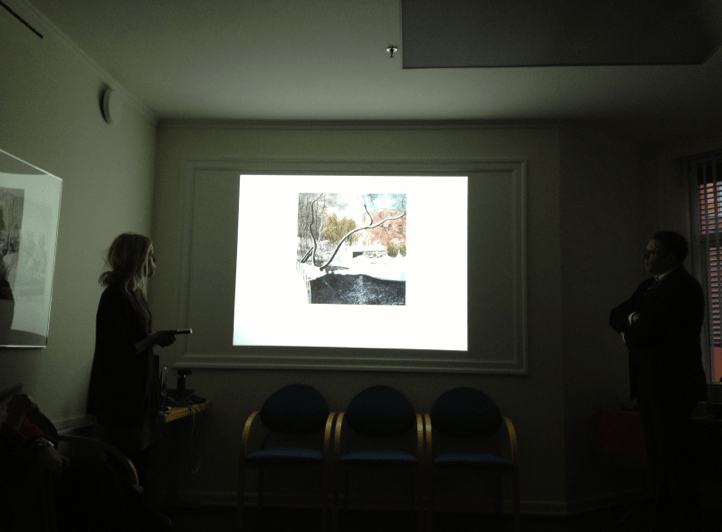
Nevertheless, it was given renewed breath this evening, when curator and art historian, Ingrid Wisløff Aars, provided guidance on eighteen artistic prints by Ole Ek’s (1913-2004) titled “Akerselva fra Maridalen to Vaterland”, now on exhibit in the Fulbright office, Oslo. In the course of her introduction to these prints, which traces images reflected along Oslo’s Akerselva River, Ingrid pointed out that the West End of Oslo, was the location of the wealthy and the East End, was the home of factories and working classes.

Thus, in these two images above, the first, a projection of a print, and the second, the actual print — we see Akerselva River. We see also, the factory position on the East End of the River.

imageOne participant to the evening mentioned that the prints do not include visible persons.

And yet, in this particular image, we can see Ole Ek, the person, quite clearly. He is, literally, standing on the West side of the river, looking East toward the Factory. And where else should he position himself? After all, he is an artist, and thus, distanced from the material of labor and the enterprise.

And by definition, then, where are we located — as observers to the image?

imageWe too, are located on the West End. As in the very image above — it is an image, to borrow from the Pet Shop Boys, of West End girls, located as they should be, on the privileged, observational, conversational, side of the river.

An innovation of Ek, apparently, that the very persons, it turns out, he left absent from the prints, are actually, very much present, as observers looking over to the East. The persons of the image, are audience participants — And because the factory is a house of labor, on the East End, we can expect that the audience, located inside, observing the image, on the West End, is located in another type of house: A Salon. A Factory on one side for laborers (East End), and a Salon on the other side for observers (West End). Voilà:

salonOf course,  I could go on, but you get the message. Of other things that caught my attention this evening, in addition, of course, to the wonderful company of everyone involved (including the gløgg):

type curator print

 Curatorial practice: Script written with a type writer, then cut with scissors by hand and finally hand-pasted (no doubt using water soluble glue) to the matte.


pingpong12/14: I started my Julegløgg at Litteraturhuset yesterday, with Kåre Haage, chatting about this and that for several hours over a pig head cheese sandwich rolled up in potato wrap, like a Norwegian shawarma. Oof, did I roll him over the coals with all the speechifying I engaged in.

But Kåre is a mentor for certain, former ambassador/consular general for Norway to Russia, he took me on as I began this project looking at Norwegian-Russian border energy development, and has since provided commentary on all matter of issues.
pong
Well, later that same afternoon, I had the opportunity to buzz over to CICERO, a strategic knowledge institute associated with University of Oslo, to have a chat with collaborator Ilan Kelman, who hails from Toronto, about whom I write in an earlier blog this past summer, when we met to discuss upcoming projects on energy development in the Barents.

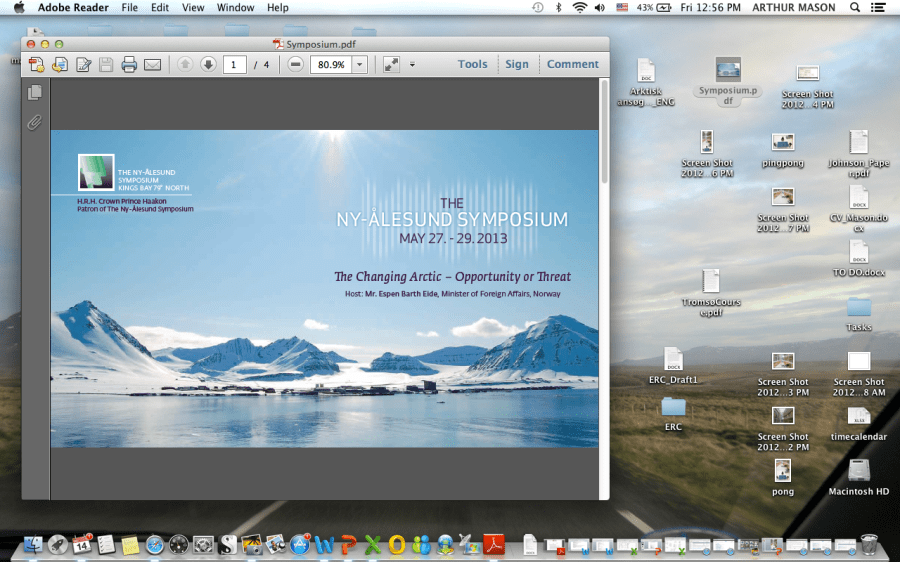
And in fact, as coincidence would have it, I came back this morning to CICERO to meet with a few other folks, namely Erik Tollefsen and Pål Prestrud, to discuss my attendance at the 2013 Ny-Ålesund Symposium in May, where on the agenda, alongside attendance with heavy hitters in oil and gas industry, NGOs, government and all that good et ceteras, is a discussion about the future of Arctic oil and gas development, right up my alley.
symposium
Pål and Erik were swell. I came, blowing into town, unwrapping my intellectual wares, like a true American pitchman, they listened politely, pushed back, asked for details, crossed swords, politely, over coffee, with me burning their ears out, jumping hot foot from one topic to another, making sure comprehension remains at a minimum 85% with the remaining 15% incomprehensible as a defense to marking out my own legitimacy as an academic. We were happy.

It looks to be a good venue this year, and with proposed Helge Lund in the room, CEO of Statoil, I would get another opportunity to mingle up close and personal with folks I met in 2011 at the Oslo Energy Forum at Holmenkollen, what a spectacular roundtable that was.

I am now headed over to the Fulbright office for the julegøgg proper, homemade pepperkaker, Christmas spirit and art exhibit. Through a partnership with “Kunst på Arbeidsplassen” (Art in the workplace), Rena Levin has announced a new exhibit adorning the Fulbright office walls, Ole Ek’s (1913-2004) “Akerselva fra Maridalen to Vaterland”. KPA director and art historian, Ingrid Wisløff Aars will be on hand to  guide us through the 18 prints by Ek, which describe the scenic  and historical walk along Akerselva from Maridalsvannet down to Vaterland (near the Opera), where Akerselva flows into the sea.

 pong-y

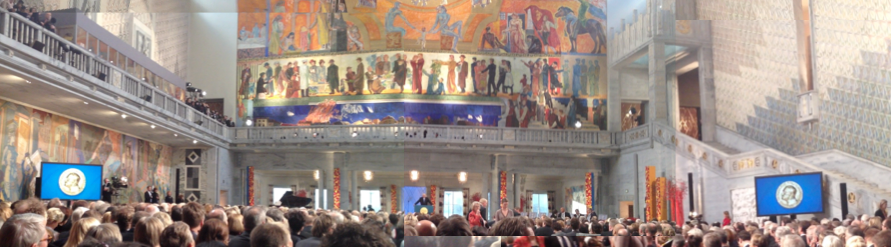
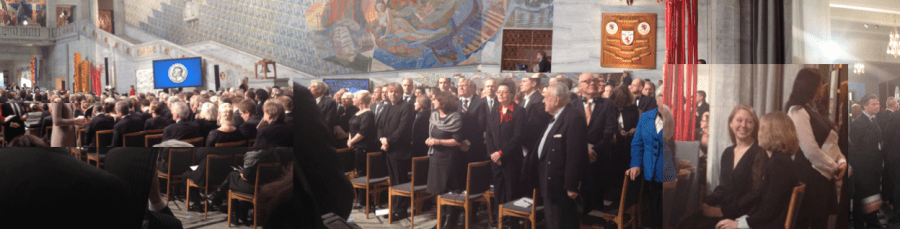
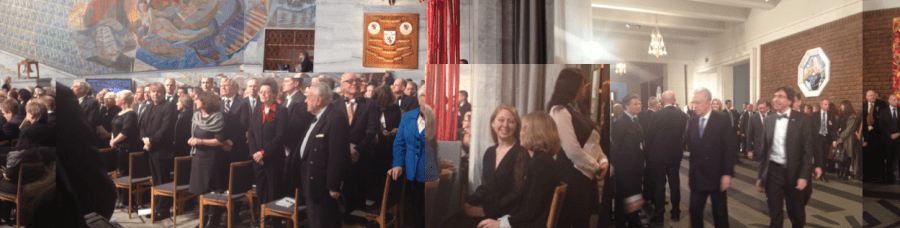
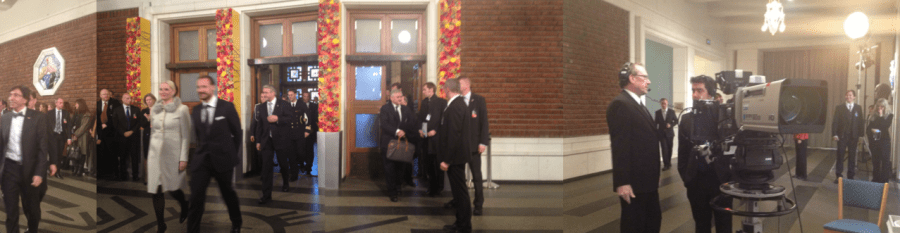
Nobel Ceremony #3

nobel
widenobel

Where Does One Begin?


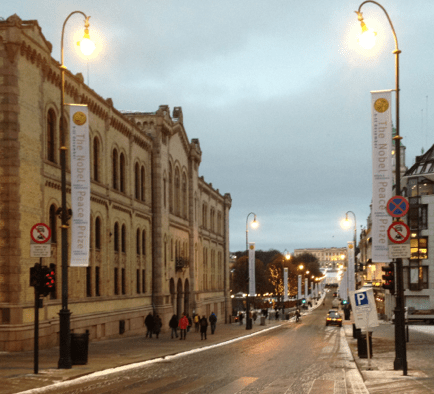
the town

The Town


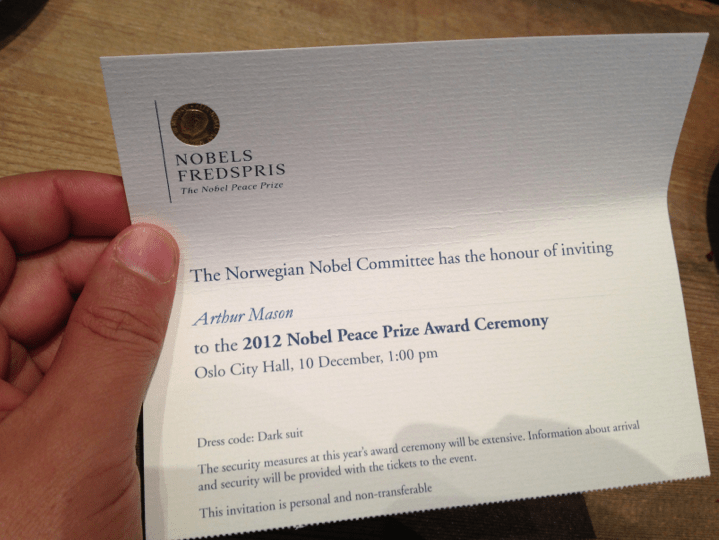
the invitation

The Invitation


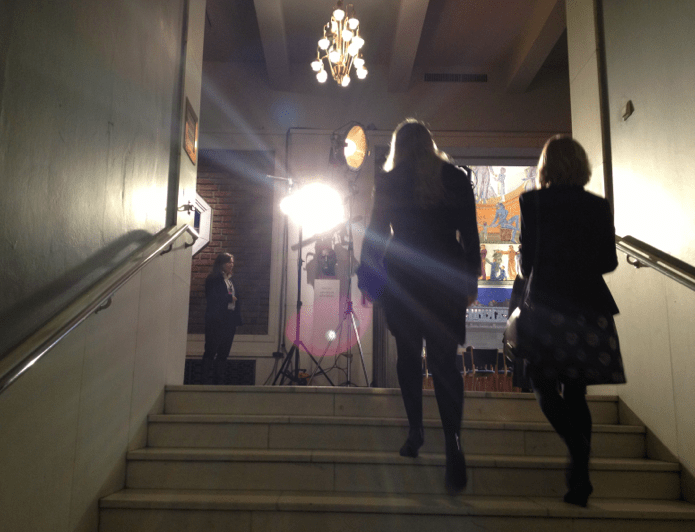
the lights

The Entrance


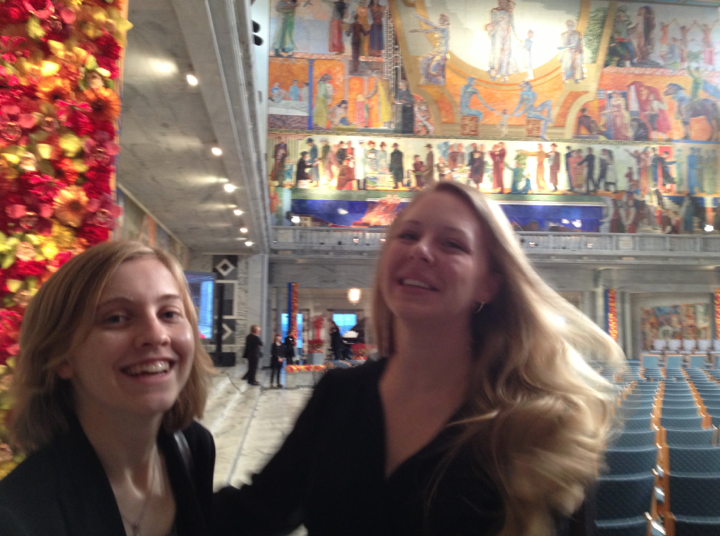
the fulbrighters

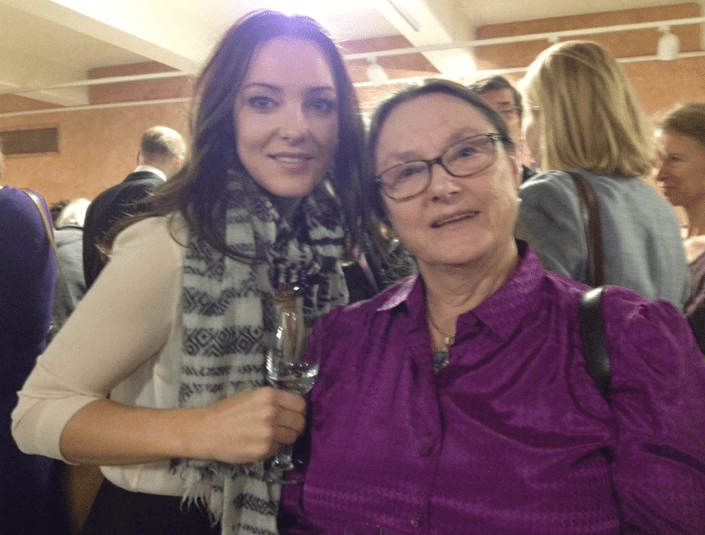
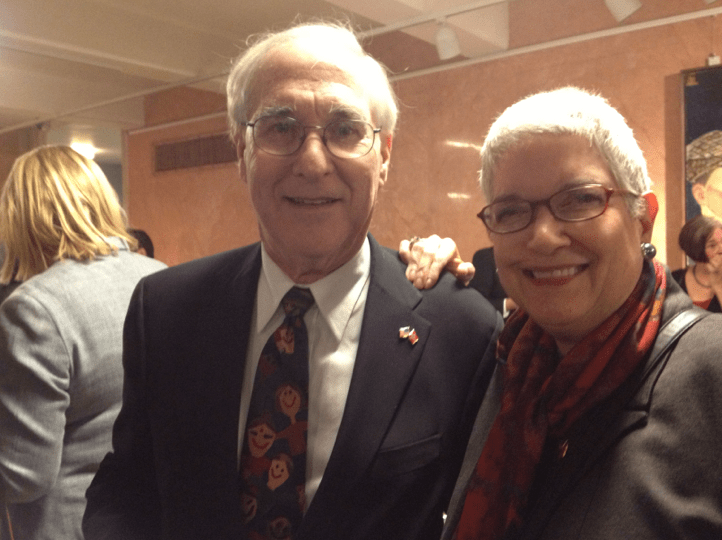
The Fulbrighters


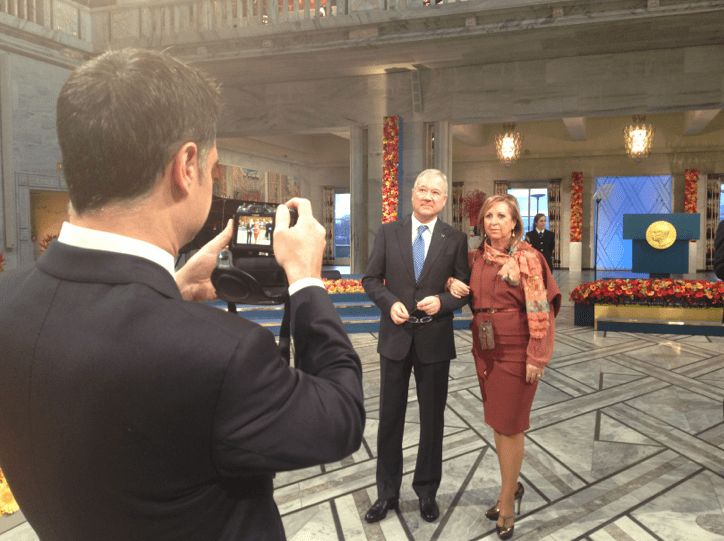
the photo op

The Photo Op


the patient mob

The Oslo Mob


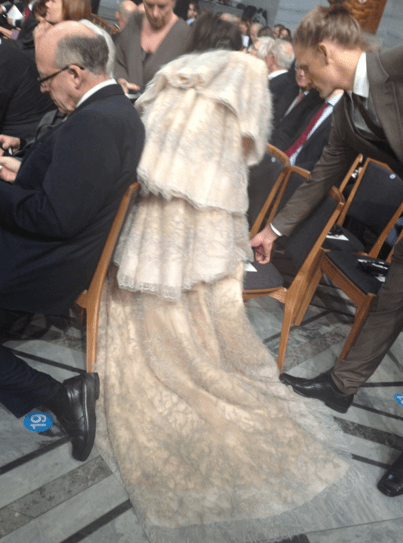
the fairy princess

The Fairy Princess


the bohemian

The Bohemian


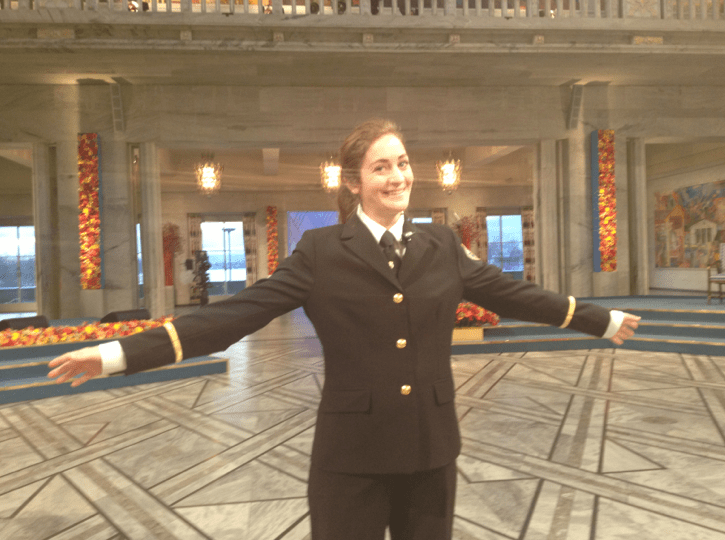
the security guard

The Security Guard


the previous recipient and Nora

Nora


the forgotten i phone

The Forgotten I-Phone


the ambassador('s wife)

The Ambassador(‘s wife)


the speech

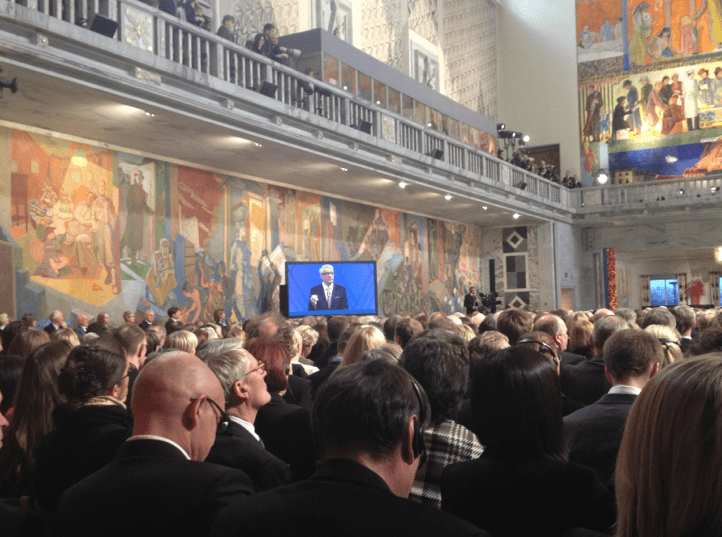
The Speech


the winners

The Exit


left

center

right

far right
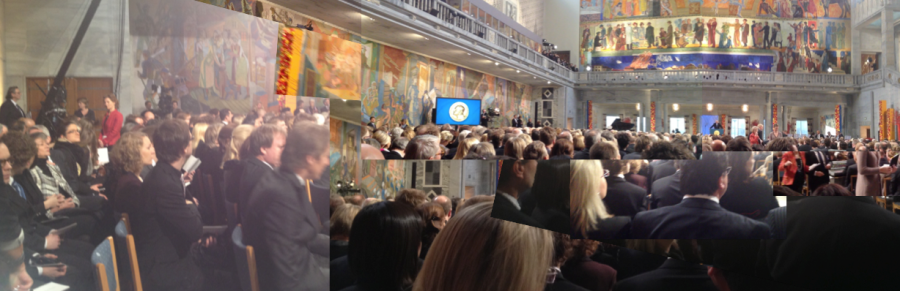
wide

Nobel PP Ceremony # 2


Finally, some sun.


Klangkarussell – Sonnentanz,

soooo schön!

Acknowledging

thanks

Just out today!

title

Embassy in Oslo

12/7: Just returned from lunch at the American Embassy in Oslo, where I had such a fabulous time. Public Affairs Officer, Timothy Moore came down to meet me and thus, began my tour. We started with a chat in his corner office. The Embassy building is large, black, and imposing, built in 1959 and designed by Finnish-American architect, Eero Saarinen. The building has a parallelogram appearance about it, with strong pointy corners, and worth reading about further, so I have included the link here to the embassy site.

buildingThe security experience is rough, as you might imagine, and entering the building provides a self-enclosed experience on its own. Security came out and disciplined me for not having read the sign and standing behind the painted yellow line. When speaking with the guard though the gate, he inquired whether I was some kind of special agent, probably something to do with my academic tone, a combination of defiance and leisure.

At any rate, we warmed up to each other rapidly. I ran back to the Fulbright office, where I had started my day, to drop off my laptop computer (no computers in the building), and he promised to let me in out of the cold upon return, which he did. Intimidating, for first timers to the building, but the guards are polite, even if they appear a little stressed upon first glance when they greet you.

entrance Screen Shot 2012-12-08 at 6.36.21 AM

Typically, I employ a pseudonym to refer to folks as high up the chain as Tim, and I need to send this blog over to ensure he is happy with it. But I want to highlight Tim’s article on Norwegian policy, which I liked, especially his point about the ethos of Good which, based on a religious unity of message, becomes historically branded so to speak to a kind of concept of enterprise (note to self). Here is a copy of his piece, titled, Norway’s Focused Communication Strategy.

The interior of the American Embassy in Oslo is delightful. What a cool place to work. As you walk in, past the security gate, you enter into an atrium with a small reflection pool. “Gong by Harry Bertoia” — is etched into a brass plaque that sits on the front corner of the pond. Sure enough, as you look up, there hanging down from the 50 foot ceiling is a large Bronze Gong by sculptural artist from the 1950s, Harry Bertoia. What a fabulous sight. Tim even gave it a whack for my amusement. What a magnificent sound.

Did I mention that Tim received a BA in cultural anthropology from UC Berkeley? We had discussed this upon our introduction to each other, now a few weeks back, in Houston at the Norwegian Government sponsored TransAtlantic Science Week, where he was accompanying US Ambassador to Norway, Barry White.

Tim’s office is great. Let me just state that for the record. I felt like I was back in Washington, D.C., talking with a real live policy operative. But he is! And we chatted about everything. For lunch, we went downstairs to the cafeteria, and I ordered an omelet with a side salad. The cafeteria is a warm inviting place, and with its own street entrance, which the Embassy uses for social functions. In fact, Tim mentioned that the Obama inauguration is taking place in that very set of rooms near the cafeteria, in January, and he invited me to attend! So. Of course. I will be there.

After a litany of topics and introductions to members of staff, we exchanged notes on Arctic research. As you can imagine, he has a lot of connections, and knew things going on that I was not aware of, though, in truth, I had a few gems he was unfamiliar with too, and it was good to be able to offer my own little cache. We will come back to Tim, but for now, let me take a few steps back and a few steps forward, as one of the main purposes of my Oslo trip, was to come, pick up my invitation to attend the Oslo Nobel Peace Prize Ceremony, on December 10.

nobel

This week, I am holed up in Kamper Apartments near the Toyen subway station, 20 minutes walk from the national theater downtown. After waking up later than planned, wrestling with jet lag and academic sleep patterns, I swooped down upon the Norwegian Fulbright Office, to pick up my actual invitation for the Nobel Prize ceremony on Monday. Rena Levin and Kevin McGuiness are gracious hosts, giving me a place to hang out, check my email and do work on the side. I arrived there around 10:30 AM, settled in for one hour, had a home brew of coffee before heading out to my lunch at the American Embassy nearby.

coffee

Upon returning back to the Fulbright Office, I managed to do a lot of email transactions. There are so many small details associated with relocating to another country, and on top of that, I already needed to book flights back to Oslo in January and February, for the Presidential Inauguration (Jan. 21) and a dinner at the US Ambassador’s residence (Feb. 14).

Oslo looks a lot different than it did in August, that is for certain, when I was here to attend the Fulbright orientation, lest the good reader forget:

zum winter

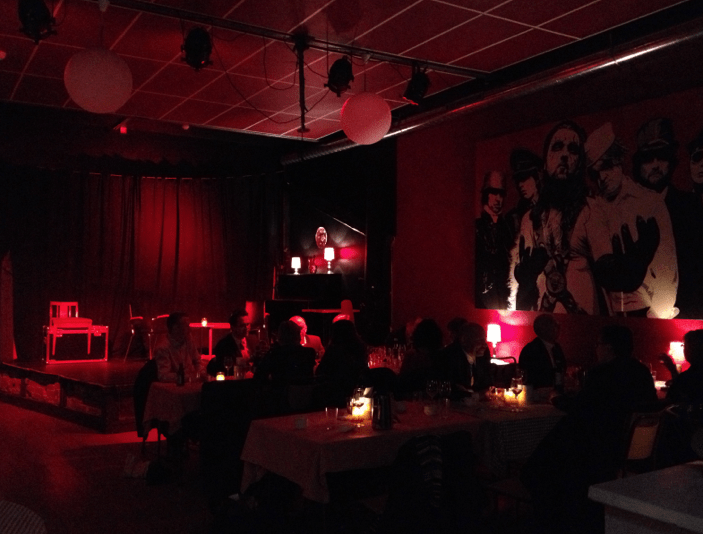
I should note in passing, that I had a wonderful evening as I blew into Oslo — still completing a National Science Foundation proposal, and chatting over skype with Maria Stoilkova, U Florida, about its final completion, when I decided around 10PM the first night, to check out in my neighborhood Kamper Bistro, a fabulous wine bar, delicious food, and a cabaret scene, crazy close to where I am staying.

KamperBistro


11/15: I was just in Houston, Texas, attending the TransAtlantic Norwegian-American Science Week Conference, organized by Norwegian Consular General, Dr. Jostein (pronounced “U-stine”) Mykletun. In Norway, Jostein is a well known diplomat and more recently has come to be referred to respectfully as “Mr. Houston”, in no small part, because his name can nearly be pronounced in same the manner of the city for which he is currently appointed.

Between the hotel and the intensity of the meetings, I was able to get in some tennis along the way. I played on Thursday and Friday at the Rice University courts, nearby where the conference was taking place.

Actually, on Thursday evening, I began to wonder aloud whether I would make it to Norway in time for the Peace Prize ceremony. Tennis felt like so much fun. Perhaps I should just stay in Berkeley through December.

We went to dinner that night, me and some umpteen Norwegian experts, ministerial policy makers, university professors, administrators and so and and so forth. There was mixed opinion about what I should do. A few were incredulous that I would even bring up the topic. Moira P. who had visited the ceremony “several times” was ambivalent. Grete G., with whom I made the acquaintance that very evening, after I staggered into the ZaZa hotel lobby, having rescued myself from an overnight trip to Texas A & M — hoped my decision would not cost me too much, sentimental words as we parted that evening, driven back from the restaurant on the ZaZa hotel “magic bus”.


11/7: I received today a scanned copy of my invitation to the Nobel Peace Prize Ceremony next month in Oslo. Because of tight security, I will have to bring along the actual invite which is waiting for at the Fulbright Office in Norway.

Here is what the scanned copy looks like:


December 10 Ceremony – brought to you by Paparazzi Ethnography