





Oxford University, 26-27 September @
Rothermere American Institute (RAI), Oxford, UK
Website contact
Arctic Conference Programme

Epilogue
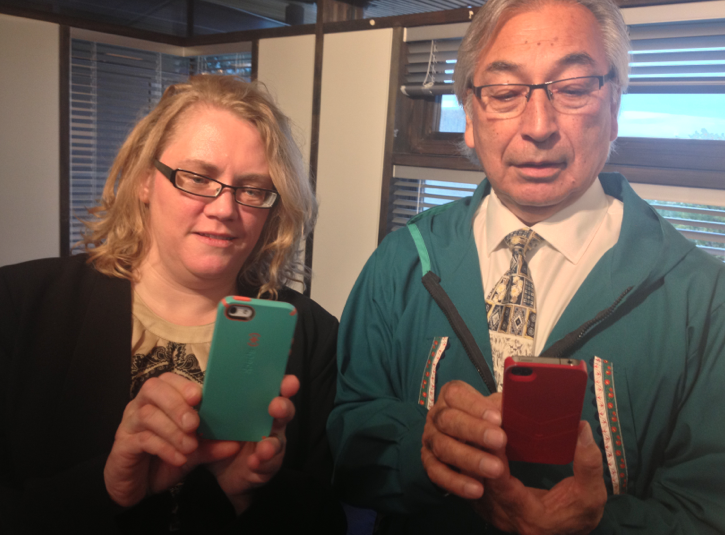
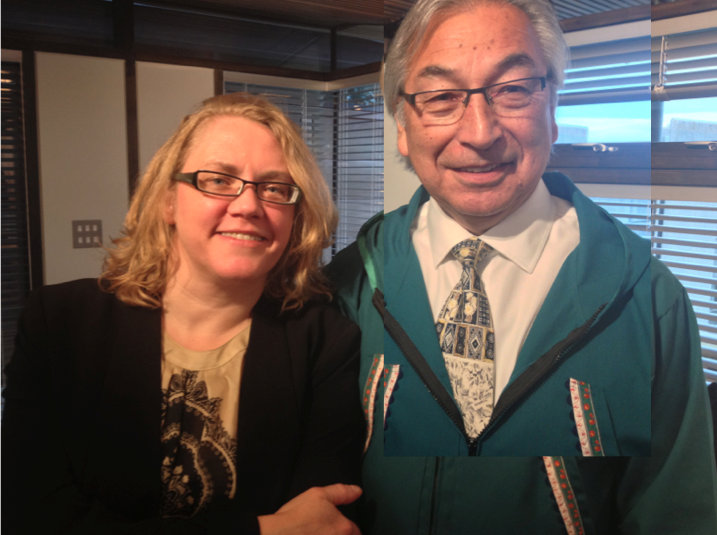
 What an honor once again to see Willy [William L. Iggiagruk] Hensley, Native leader extraordinaire, with whom I interacted while working in Washington, DC, for the State of Alaska. Also in attendance, Tom Thorton, Michael Bravo, and Richard Powell, all highly talented arctic anthropologists/geographers working at Oxford/Cambridge with whom I was able catch up on all the exciting activities they are involved in.
 Delightful new folks who I had not met before, from the policy world and academic life. Pamela Strigo, Political Officer, High Commission of Canada, enlightened us, ensuring that the Government of Canada is resting safely in capable administrative hands. The talented Dr. Chanda L. Meek, U Alaska, discussed the ins and outs of Alaska policy, surrounding federal state relations among other topics.
Evan T. Bloom, Director, Office of Ocean and Polar Affairs, US Department of State, spoke with great candor, and we were grateful. Mininnguaq Kleist, Head of Department, Department of Foreign Affairs, Government of Greenland (Naalakkersuisut), from whom we learned a great deal about the direction of Greenlandic rule in the North. I should not fail to mention business persons, including Guy Yeomans, consultant on strategic foresight research into the futures of the Arctic, and with whom I had the opportunity to trade notes over lunch about enframing the future.
 Yes. Indeed. All in all, speaking on behalf of those in attendance (if I may), we arrived with high expectations — and, in fact, we departed ever more interested and enlightened in our projects, whether policy, academic, or business. With pleasure in redundancy: a warm thanks once again to the organizers, Nigel Bowles, Director RAI, Halbert Jones, Senior Research Fellow, U Oxford, and Dawn Berry, newly minted PhD, U Oxford. Thank You!
Oh, and a book in the offing as an outcome of the event, and we plan to report, so stay tuned!


9/27 Second Day After Coffee: Okay. Well, now we are talking about the future of the Arctic. Mihaela David, Fellow, Arctic Institute, is talking about infrastructure potentials. Bill Graham, former Canadian Minister of Foreign Affairs, then National Defense, up now summarizing in the wonderful way only he knows how, having presided over yesterday evening’s dinner. Development and security. How do we see development, Graham talking now, speaking of the concept of orderly development.
Final talks of the day

Evan Bloom, Director, Office of Ocean and Polar Affairs, US Department of State, Arctic Polar Diplomat. Began working with Arctic issues around 1995, Ottawa declaration. Within the US, extraordinary increase in Arctic matters in Washington, DC, amount of energy, attention, climate, shipping — over time, a smaller group in various federal agencies moving into direct interest via the White House, end of Bush Administration, Arctic Policy, fundamentals are not particularly partisan.
 With Obama admin., the Bush policy document was relevant, within a few years, it was steady, but there was the feeling at some point, thus, the [recent] Arctic Strategy was released by White House, not instead of the policy, but merges with it, setting priorities, stewardship, international cooperation, sustainability — not surprising.
An interagency policy group, a White House policy group, Secretary of State going to the Arctic Council, a symbol of interest.
Role of Indigenous, very important role on the workings of Arctic Council, and from a personal side of things, agreeable with John English‘s presentation yesterday (on founding of Arctic Council). High Level Forum. US reticence about the Council has moved toward enthusiasm about what it is doing, in environment for example, and security issues.
National security interest (national security agencies involved) Council is changing from what it is looking at, and not only more observers.
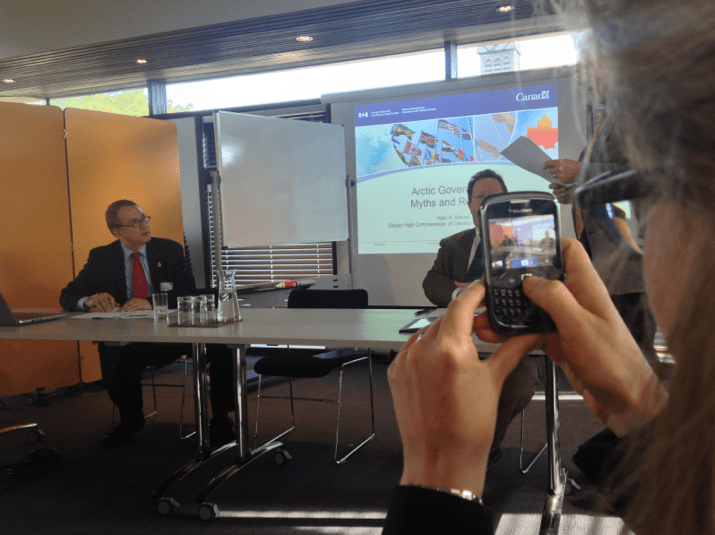 Now, the US is taking on the second chairmanship. Now the office is having a domestic secretariat (working with the Tromsø office) — developing the right themes that the US wants to promote. Talking a lot with Canadians about synergies. Arctic Council may be important for diplomacy, but there are other treaties and conventions that are playing a role about governance in the Arctic.
Extended Continental Shelf. Seismic and etc. on submissions, and spending the kind of money for scientific research as if we really want to make determination commitments. Boundaries — Beaufort Sea boundary with Canada. Several meetings with Canada among experts to begin thinking about what should be discussed.
 A new task force on Science cooperation at the Arctic Council. A lot of attention about observers to the Council, interest of non-Arctic states. Parts of Academia like to look at the Arctic and explore potential for security problems.
Our fundamental attitude is that this is a region of cooperation not conflict. One must be ready to deal with all possibilities, but working well with Russians (scientists, etc). And this is because territorial control under national authority. It is an area of non-conflict.
Alan Kessel, Deputy High Commissioner of Canada in United Kingdom. New shipping routes, do we want this? Resource grab. Arctic nations entitled to resources and sure, go ahead. People in the Arctic want to exploit it in an environmentally sound way. Is there an arms race? Another bogey man over whether is or not. Myths? How to bring the reality to bear.
No legal vacuum as far as we are concerned. Sure, can be tweaked, but no norm setting at this point. Ilulissat Declaration — littoral states have a specific legal obligation to point out — no legal vacuum — Ottawa Declaration.
Beaufort Sea, we plan to resolve and commitment to work together. Polar Code. A structure and environment where there are hard rules for traveling in the Arctic. Some countries with interest in ship building, want to know what kinds of ships to build based on the regulatory Canadian interest.
 Mininnguaq Kleist, Director, Premier’s Office, Government of Greenland. Arctic strategies, and important list of agreements and descriptions of Home Rule, rights, industrial development, cooperations (EU), Arctic-Five.
Wrap up: Very strong panel, with a lot of openness on potentially sensitive questions, chatham house rule.
Hal with the last word…
A personal word of thanks to co-conveners, Nigel and Dawn, a thanks to Warden Margaret and staff — bringing the conference to a close and there’s dinner(!).
[fabulous presentations! Far exceeding expectations, ed. 🙂 ]


9/27 Second Day: Margaret MacMillan, Warden, St. Anthony’s College, now introducing Richard Powell, Lecturer, U Oxford in geography, and Chanda Meek, Assistant Prof., U Alaska.
Richard is up now talking about Greenland. The re-imagining of Greenland through various political economic orders. Relations to Mineral continue to influence Greenlandic politics.
Chanda is up now. American Federalism in a rapidly changing Arctic. With fast pace of Arctic policy development, the state of Alaska requires to work with federal partners.
Oh. Now we have up Willy Hensley giving a plenary. Opens up with commentary in Inupiaq, and now translating for us, very warm generous greeting indeed, thanking his audience for the opportunity to speak.
Speaking frankly about the historical conditions of colonial development — and recursively demonstrating by citing the invitation to the conference, that governance at a distance is a colonial condition creating normative attitudes of exclusion (faraway governments and people steeped in personal gain). Fabulous historical account of the Russian occupation, and the context of socialization on the one hand, and disenfranchisement from land and self on the other.
Willy really has outdone himself on this talk, a combination of presentation-calm, adopting the manner of science presentation aesthetics, presenting deliberately with attention to fact, and at the same time, speaking in first person about events, lays out a chilling genealogy of scientific indifference, blundering and justification, among other caste-like appropriations of the local on behalf of being modern. 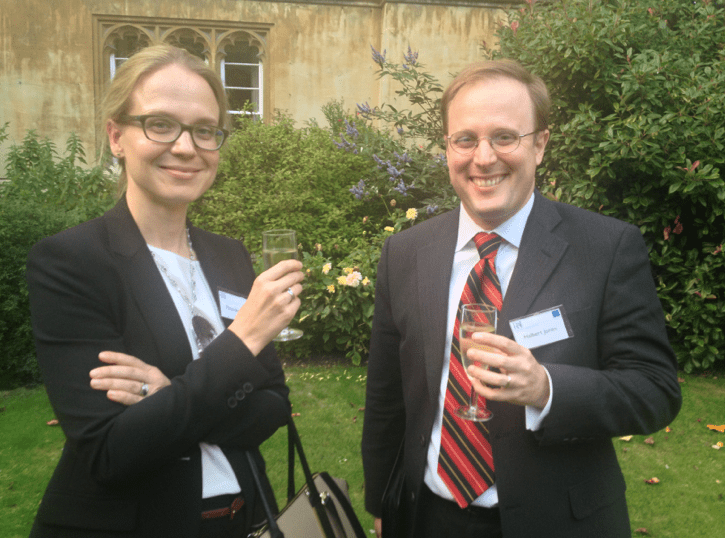


9/26 Later that First Day after coffee break: Both Dawn B. and Shelagh G. gave very strong talks, so interesting, on historical accounts of North American developments, Shelagh going back several hundred years, and Dawn talking about post war definitions of Greenland. Fabulous. James K. also, very strong, talking about United Nations Conventions on the Law of the Sea relating to determinations of governance over ice classifications. All three speakers relate the Arctic to sovereign legal and political modalities, combined with particular techniques (military installations, occupations) that enforce territorial control.
John English, U Toronto, Plenary Session.
Speaking on Origins of Arctic Council. Including…
The Murmansk Speech (Gorbachev): nuclear free zone in Europe, nuclear free zone in Arctic, joint development of arctic energy resources, establishment of arctic research council, integrated plan to protect northern environment, opening of northern sea route to foreign traffic. Establishment of Indigenous voice on the Arctic Council — permanent participatory status.
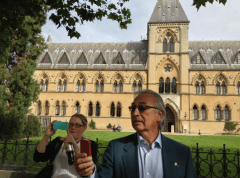


9/26 First Day: Nigel Bowles, Director, Rothermere American Institute (RAI), with generous welcoming remarks and thanking Halbert Jones and Dawn Berry. Established twelve years ago, with an opening by Bill Clinton, to create a greater understanding through comparative work on various issues ranging from post-colonialism to elections in the Americas.
A conference perfectly tailored to RAI, and attendees, thereafter, have an open invitation to return for conference attendance and other activity. A long list of thank-yous to various policy and government centered folks (US State Department) among others. Governance of a changing space, partly fluid, in part by how US, Canada, Denmark, and Greenland, are shaped by their past, looking north (US Canada), or east (Greenland, Denmark).
 Halbert Jones, Panel Chair, starting up here now, with the first set of speakers, Shelagh Grant, Trent U, Dawn Berry, James Kraska, Duke U — Inspiration: North American Arctic, chairmanship of Arctic Council, moving from Europe to North America. Is there a particular set of North American interests to the Arctic, and if so, are there differences between Canada and US, and suggesting that the space of Arctic is both remote from national space of interest, but also undergoing great change, in North America in particular, complicated and shaped by federal systems in place that define sovereign issues across state and local, Native jurisdictions, that reside in these lands.
 We wanted to look at all these issues from a variety of different levels from interdisciplinary approaches, and also in the historical context, which has resulted in this particular panel, on the historical. Distinctly connects and divides the North American Arctic.
Up now is Dr. Grant, written several books, including Polar Imperative History on Arctic Sovereignty; followed by Dr. Berry, just this week completed her PhD here at Oxford (applause) and finally Dr. Kraska.
Shelagh Grant up now. Arctic governance and the relevance of history, talking about enforcement of boundaries. Defining the Arctic, various approaches, scientific, cartographic, population settlement. Denmark, 1747 colonization of South Greenland, 1782 government took over sovereign control, Russian control over Alaska, 1789, Russian American Company provided charter (defining sovereignty over territory).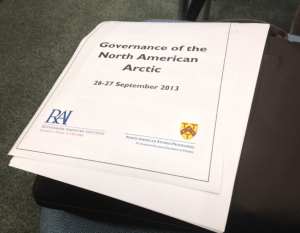
Manifest Destiny — American purchase of Alaska 1867, triggers British response by pressuring Canada to annex High North. By late 19th century, Polar discovery had become an industry, where newspapers could garner attention from polar headlines. So, actually, laying claims in the Canadian Arctic, requires expeditions to the Arctic Islands, thus, resuming on annual expeditions. US encroaches and Canada pushes back, establishing sites. By 1930s, Canada secures Arctic archipelago territories.
Permanent Joint Board of Defense (US-Canada agreement for cross border developments). Arctic Defense during the Cold War proliferated. Oil discovery on Prudhoe Bay increases pressure on Canada to continue to support its sovereignty. 1977 creation of Inuit Circumpolar Conference/Council. Creation of Arctic Council 1986. In conclusion, oil tanker traffic in Sea Route, increasing farther than expected (Russia), by comparison, Canada’s greatest challenge will be to convince international community that its waters are internal waters, and thus transportation would be governed by sovereign regulation.
 Dawn Berry, begins with a quote from FDR, on where is Greenland? Is Greenland North America? A panel several years ago at Oxford, asking the question, responds, culturally/geographically North American, politically European. Even on Maps, Greenland looks all over the map, sometimes in North America, sometimes in Europe.
Is there a particularly North American way of governing? Also from whose perspective.
 1940-1941, Greenland becomes American. The Denmark-United States agreement for the Defense of Greenland (April 1941).
Allows installation of military bases on Greenland by Americans. 1916, the now US Virgin Islands, in order to purchase by the US from Denmark, had to extinguish all claim to Greenland.
Why did it change?
By the 1940s, Monroe Doctrine, new interest in the continent, technological advances in flight, prior to 1930s could not land on the ice cap, but after the 1940s, it became “within range” of the United States, and then, Occupation of Denmark, by both Germans and Americans.
Western Hemisphere — European power no longer have the right to occupy Americas (Monroe Doctrine 1823) — US not ruled by a King, with the promise that other New World were guaranteed support.
Monroe Doctrine not geographical or legal, but a political concept that triggers under national interest, security conditions. For this reason, technological advances in flight, weather predictions in Greenland.

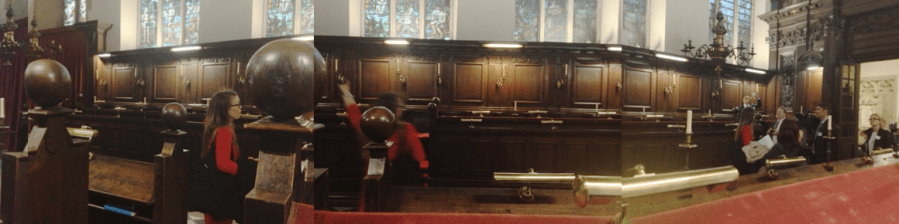 Roosevelt and Public Opinion.
Does the Greenland belong in the Monroe Doctrine, the press wanted to know, and the response FDR gave was to support the Greenlanders, and that Americans would want to extend their political support for Greenland. Making the North national. Making it part of a doctrine. Military bases, actual physical infrastructure in place. Government installations.
 James Kraska, Development of rules for ice covered areas in the Arctic. 1970s to 1980 negotiations, some of the events that unfolded. The primary interest of Canada’s interest to think of itself as an Arctic archipelago. Vessel source pollution, adopting Arctic Waters Pollution Act 1970.
US a leader in Port State control, management of marine shipping, a unilateral move that Canada was following. Both Canada and US sought to avoid a grand battle over freedom of the seas on the one hand, and the governing over near shore areas. Article 234 Law of the Sea Convention (UNCLOS) — Coastal state and international community, rights of innocent passage by international community. Prescription and enforcement jurisdiction, requested by Canada.
 US government joined by Ministries of transport and defense in Canada in discomfort for enforcement jurisdiction (the latter losing out).
Discussion: Article 234, the Canada exception or Arctic exception, authority over the sea is not exercised in the middle of the ocean, the rights flow from the land, and sovereignty from land. So the issue of Arctic ice raises a question. Polar Code IMO.
Coffee Break.


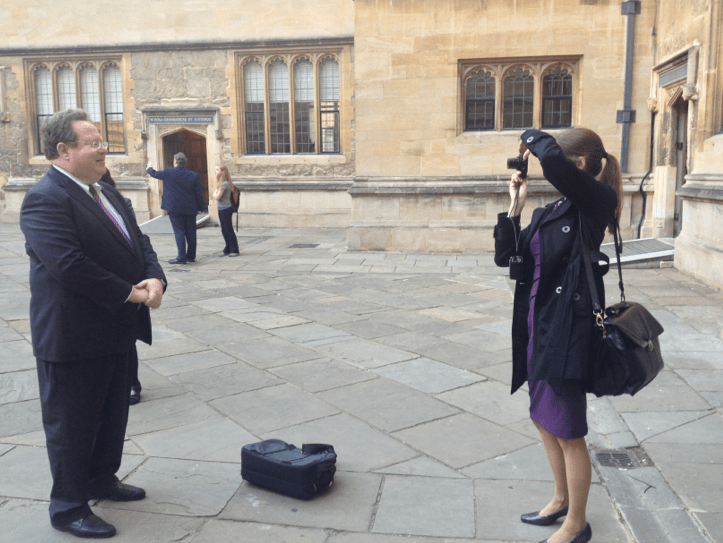
I had the opportunity of noticing various tabby pins worn by some of our more distinguished guests.
The concept of the pin captures one’s attention.
Much like a PhD — the pin reflects a small acronym, representative of something grand, a symbol in miniature of all the exists on behalf of identification.
Signatures of Insignia

Last word[images]


0.000000
0.000000
Read Full Post »
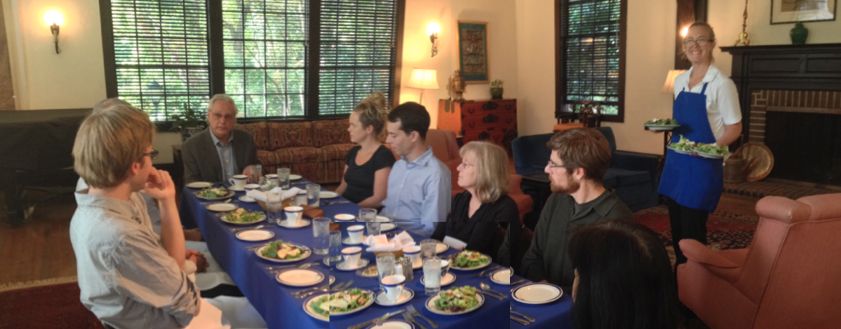


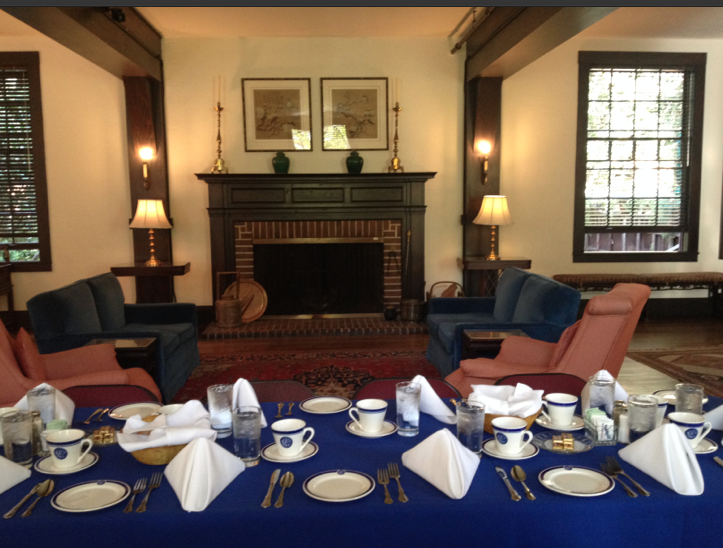
 We began the luncheon with standing introductions, but some of us were late, and while waiting, those who arrived at the appointed time got a chance to sit in some comfy chairs and exchange pleasantries about where each of us had just arrived from.





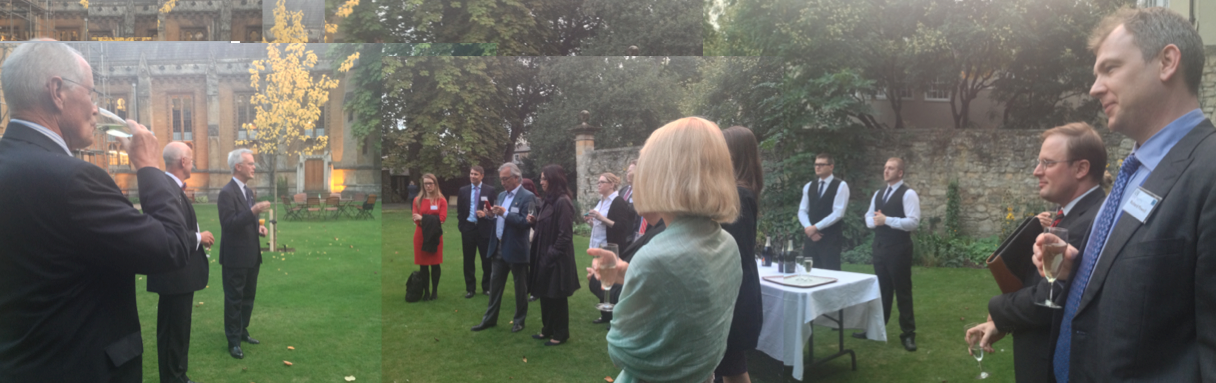



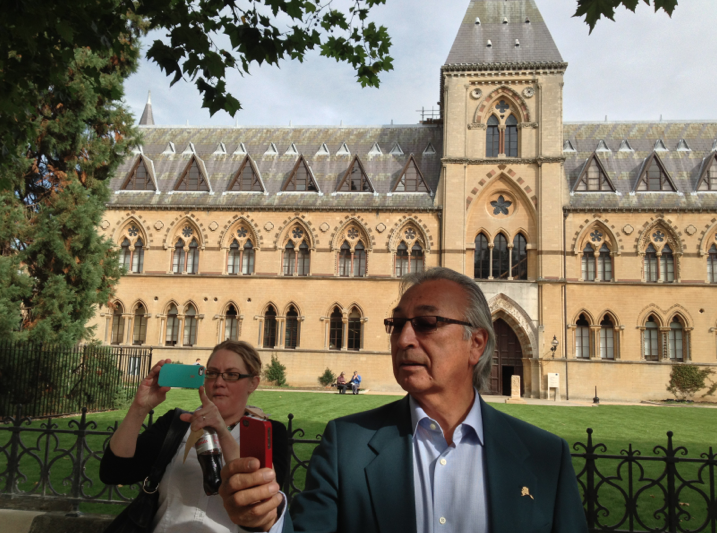























 Paparazzi Ethnography