Feeds:
Posts
Comments

Archive for the ‘Paparazzi Ethnography’ Category


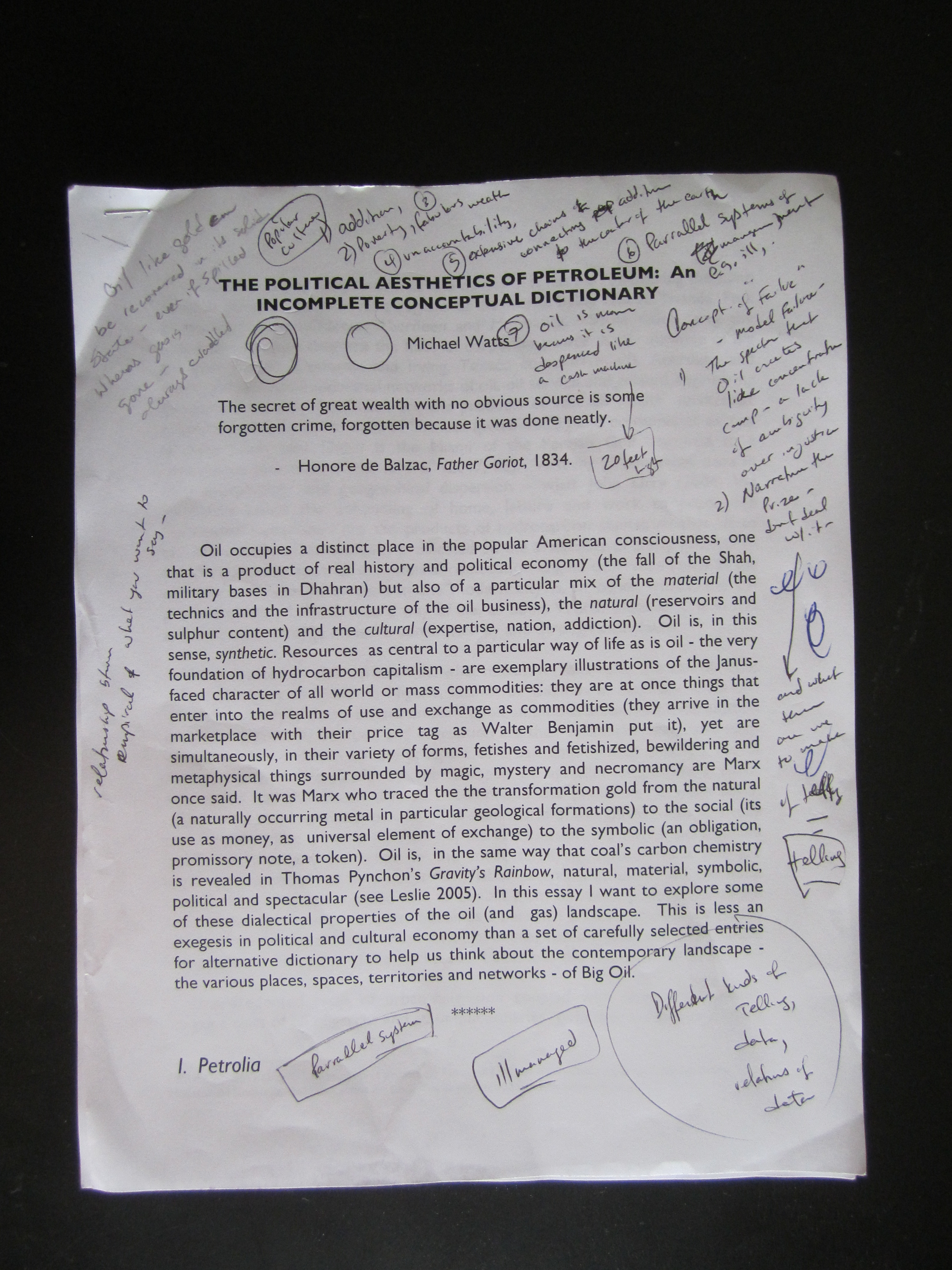
6/1: We completed our book’s introductory precise. Here are the documents:

On Friday, we made the promise of a draft precise for authors. On Saturday, the Supreme Being guided us. By afternoon, we were totally wiped out. Showered, shaved — and dragged over to San Francisco for a performance by Iliana Georgieva.


5/27: Last Friday, we emailed our invite to authors. We heard back a few days ago with confirmations from all authors — totally taken aback by the enthusiasm. We regrouped at Café Que Tal at 4PM, as usual.

Today, Michael suggested that we draft a four page introduction and revise it by this coming Wednesday. On Friday, we meet at his place and go over the logistics of submission. We set January 15, 2012 as the deadline for drafts from authors. Last Friday, when we met, we promised to exchange ideas for the introductory precise.


Brainstorming, took place last weekend, on Sunday while having coffee. Ideas were transferred to the computer, and two more sections added: (1) conventional wisdom of oil political economy and; (2) postmodern conventional wisdom list of considerations.

In turn, Michael sent over a 30 page manuscript. It was fabulous. He was writing on a variety of topics — relation to technology, production, history– but also conveying meaning about unaccountability, extensive chains connecting our lives to the center of the earth, parallel systems of management, addiction, poverty and fabulous wealth. In short, we write events and tell emotions. And this sense of distance began to suggest — it is the concept of distance to oil, the appropriate distance, that we have been talking about all along.

5/20:  We crafted an invitation to a few scholars on our oil and gas book:

Oil and Gas Publication Letter of Invite

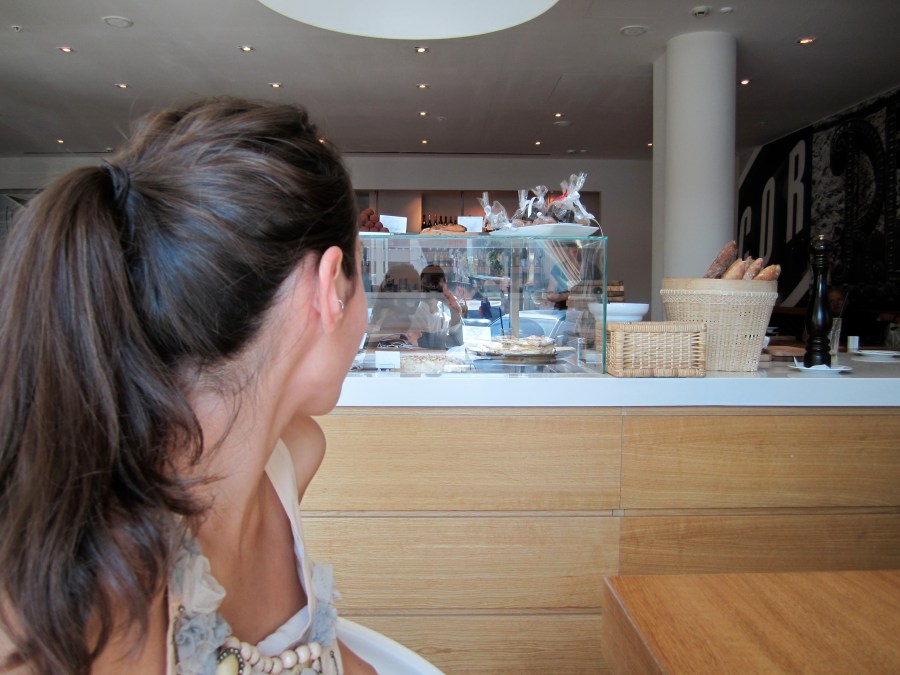
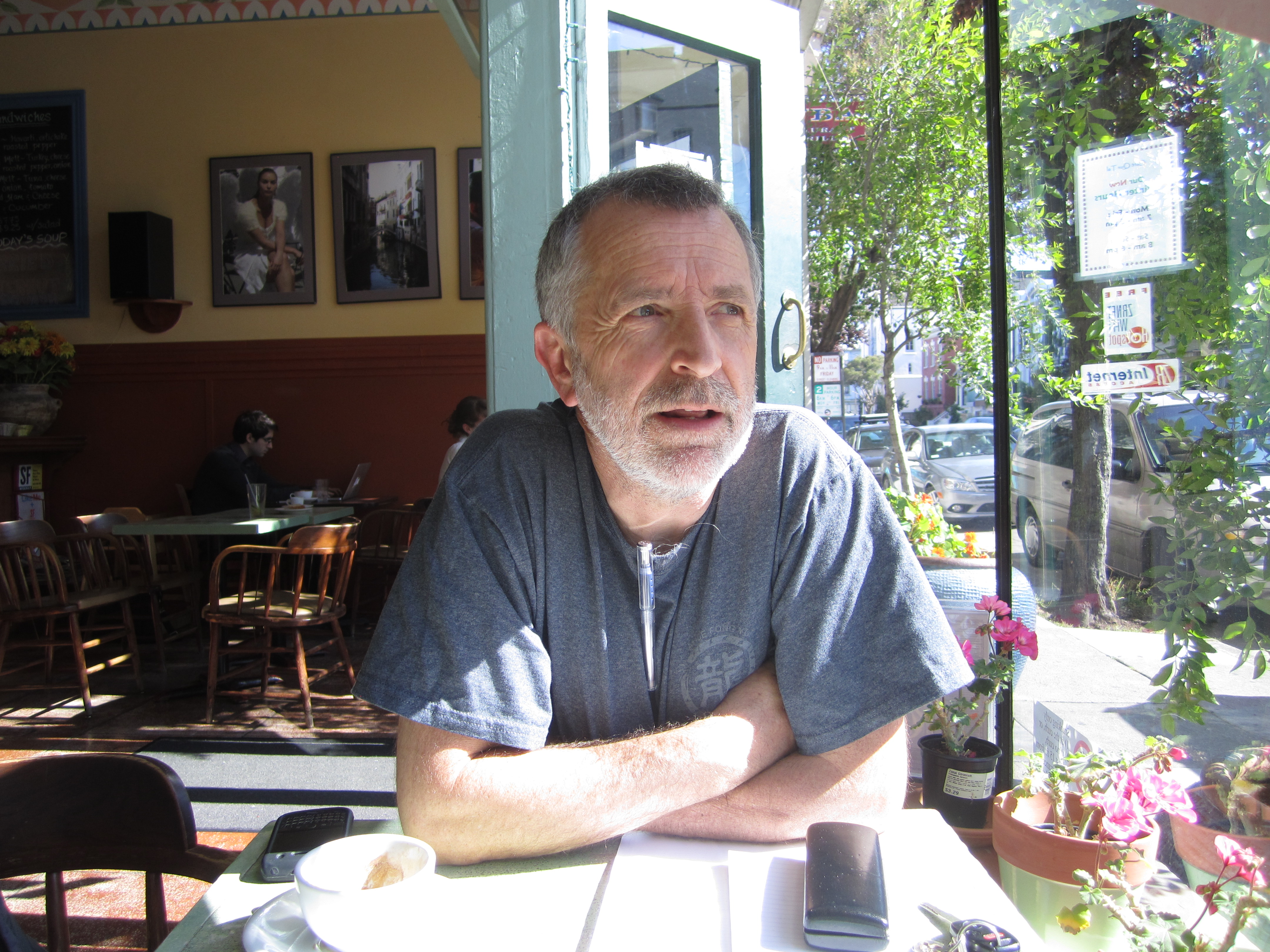
5/19: On Fridays at 4PM, I stumble over to meet with Michael Watts, UC Berkeley Geography Professor, at Café Que Tal. The Café is located in the Mission District of San Francisco on Guerrero and 22nd street. We usually sit near the front of the shop, in an alcove by the window. Our discussion covers a co-edited book project.


Some months earlier, Michael suggested we co-edit a book on oil/gas. The idea is to provide a counterpoint to current approaches on oil and gas framed by progress, economic growth, elite decision making.


Of course, Dan Yergin’s The Prize, offers fabulous descriptions of personalities in history. What we take issue with is how these stories follow a premise — that stages of modernization (W.W. Rostow) are real and that the empirical is a formula of interactions between supply and demand.

Read Full Post »

Vanesa Gingold

Cutting, balancing, painting, sewing, carving, tying, grating – these are some of the words that Vanesa Gingold uses to describe assembling her Kite Mobiles, on display at the CellSpace Art Gallery on Bryant Street, way, way, south of Market in San Francisco.

Vanesa also uses the word Dappled to describe the effect her work has on spaces where the Kite Mobile casts a shadow (Dappled – past tense of dap·ple. Verb: To mark with spots or rounded patches: e.g., “dappled sunlight lay across the balcony”).

In her installation– cloth stretches across wooden frames taking the shape of a toy kite. Strings hang from the corners to support delicately carved paper leaves. The effect of Kite Mobiles, as Vanesa describes it, is akin to a forest canopy, with light streaming through the cut paper, reflecting different shapes on the floor, walls, and body parts.

The Canopy

Dappled light cast upon hand gesture — a kite supports a paper leaf

To more fully enage with the canopy, I laid on the floor to photograph the installation vertically.

Looking up through the trees I began sharing her perspective. Vanesa also uses hand gesture when talking about her work. Kite Mobiles are created from recycled materials.

The leaves of the canopy are discarded prints. The kite cloth is carved up old clothing. The yarn and threads that connect the entire contraption appear old, frayed, but durable. Only the box cutter she uses to make the razor sharp cuttings is new.

Each piece of the mobile takes about 30 minutes to assemble, create, cut out. If you count each piece, multiply the sum by 30, add extra time for balancing, and tying, plus grating, because the edges of the kite frame are shaved — each Kite Mobile, based on rough estimates, and working steadily, could be assembled in 4 to 5 hours. That’s my guess.

Shadows of a lifetime

Mobiles are known for their movement. They are in constant motion.


So are the shadow images that these mobiles cast as they twist to and fro, mostly from being bumped by art gallery goers, as they pass the installation. But mobiles also invite nudges and pushes. They accept and display the kinetic energy of touch.

It’s not often that you come across art that is interactive. As I witnessed the crowded space, I saw revelers touch the Kite Mobiles with their hands, but often times, they did so with their shoulders, by backing into them without intention, making room for party goers to squeeze by.

Untitled

Untitled

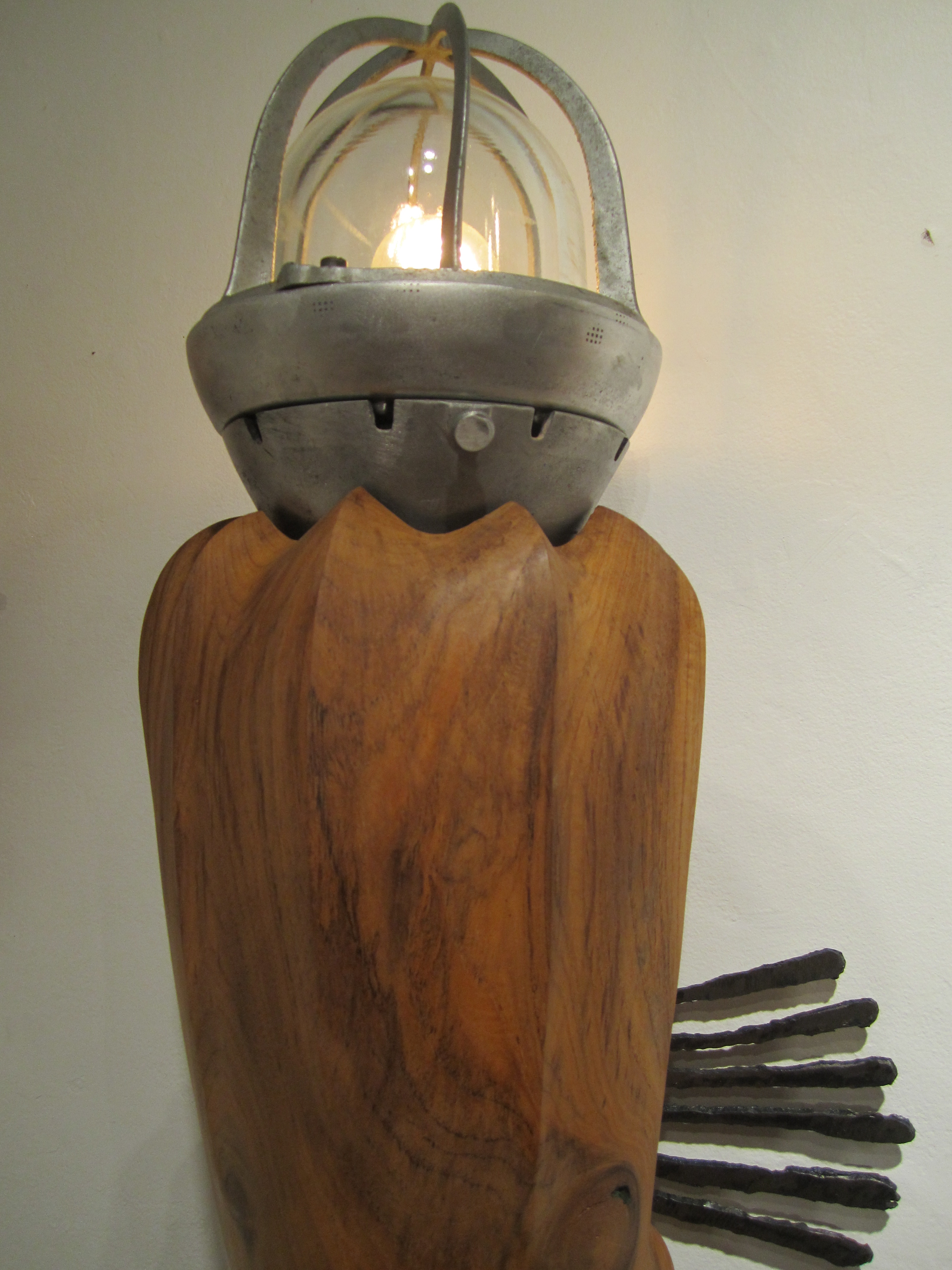
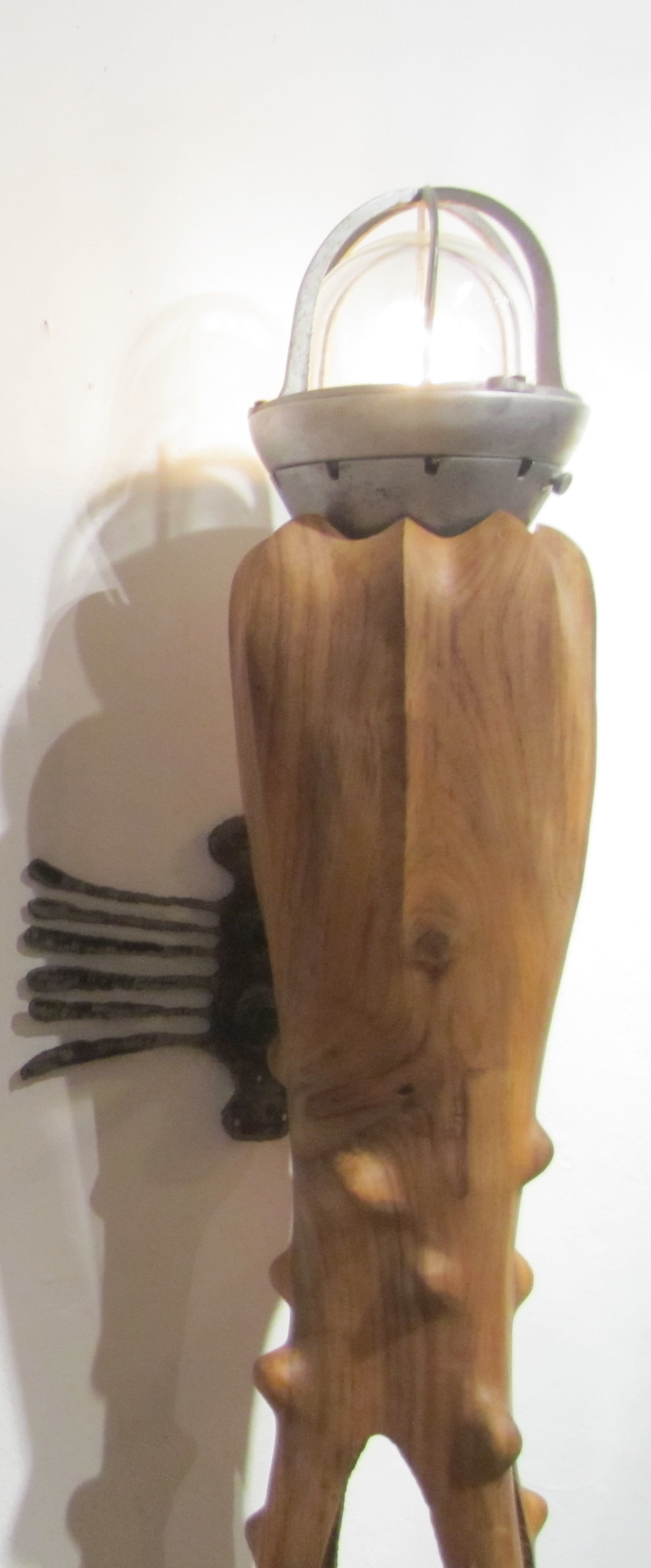
Across from Vanesa’s work, and in contrast to its ephemeral quality — a refinery explosion proof lamp sat mounted on a teak wooden pedastal.

The untitled beacon was the work of molecular biologist Heiko Greb, who recently left Genentech after ten years to concentrate his effort more on art.

Heiko, talented in so many ways, originates from southern Germany. I have the impression that he carries a nostalgic Heideggerian sensibility for celebrating the organic in relation to the industrially manufactured. In an earlier posting, I mention briefly Martin Heidegger‘s The Origin of the Work of Art in the context of materials that take on the effects of the human touch (e.g., wood).

Heiko Greb

Contemplating Heiko

And these materials, Heidegger contrasts to modern products that, no matter how much you interact with them (e.g., refrigerator door handle), never is there left the patina of humanness.

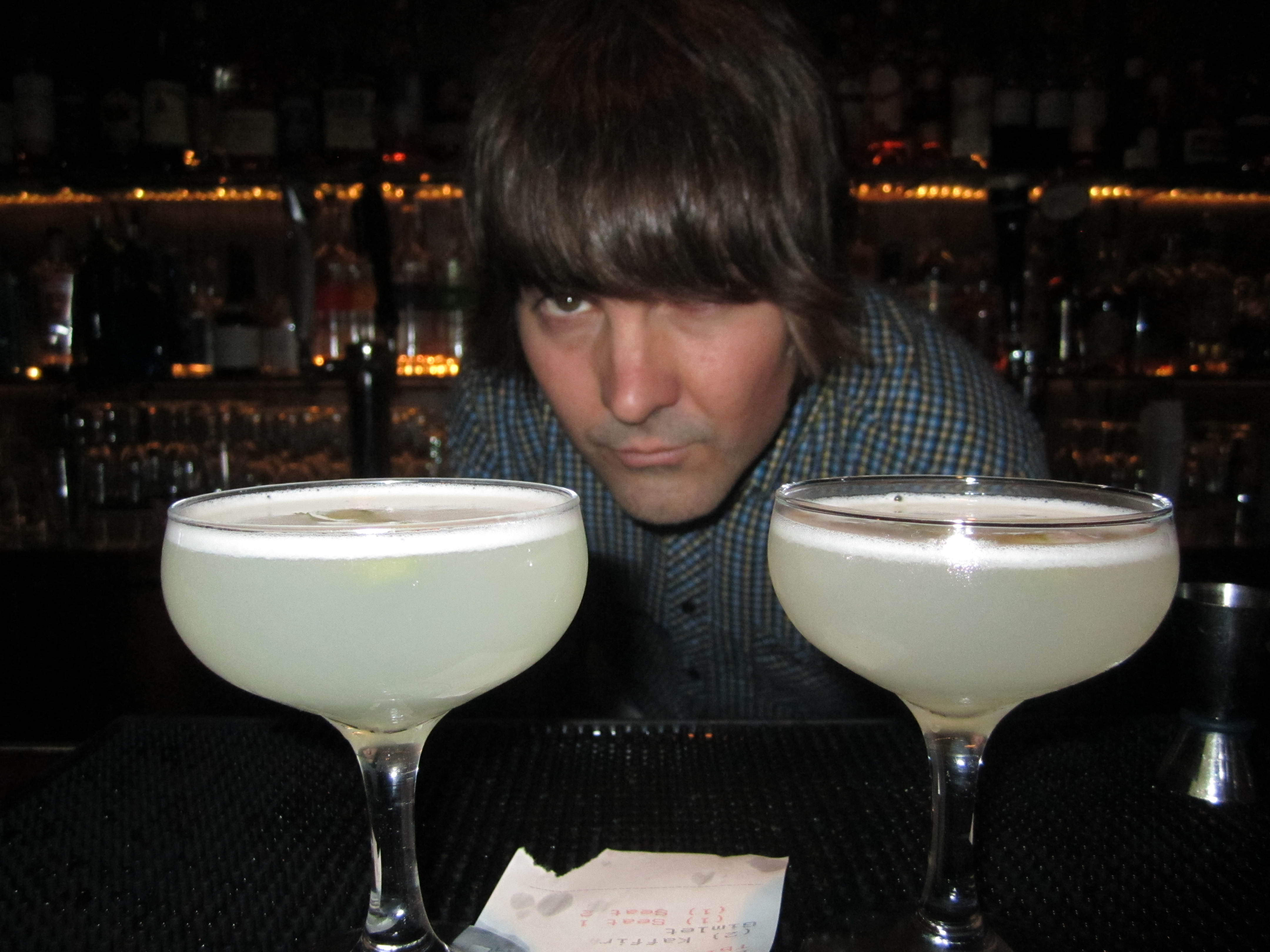
Nevertheless, something nagged me about this particular piece of work, as if I had seen it before. Some time later, sharing a drink in Slow Club, a restaurant nearby, I had the vision that Heiko’s untitled beacon shares a similar quality to the creosote lamps that dot the bay, indicating to fishing boats the depths of inlets.

For some time now, the San Francisco bay has been in-filled, to build homes, schools, factories and the like. Consequently, many of these creosote nautical lamps are no longer in use. Some lamps however, have since become garden fixtures because they were literally, surrounded by development, when parts of the bay were filled in, and the laborers just left these lamps in place.

Creosote lamp

trapped in landfill and now part of my father’s backyard

Untitled lamp

As these images depict, taken from the backyard of my father’s home in Tiburon, creosote nautical lamps continue to be a visible part of the landscape.

Read Full Post »

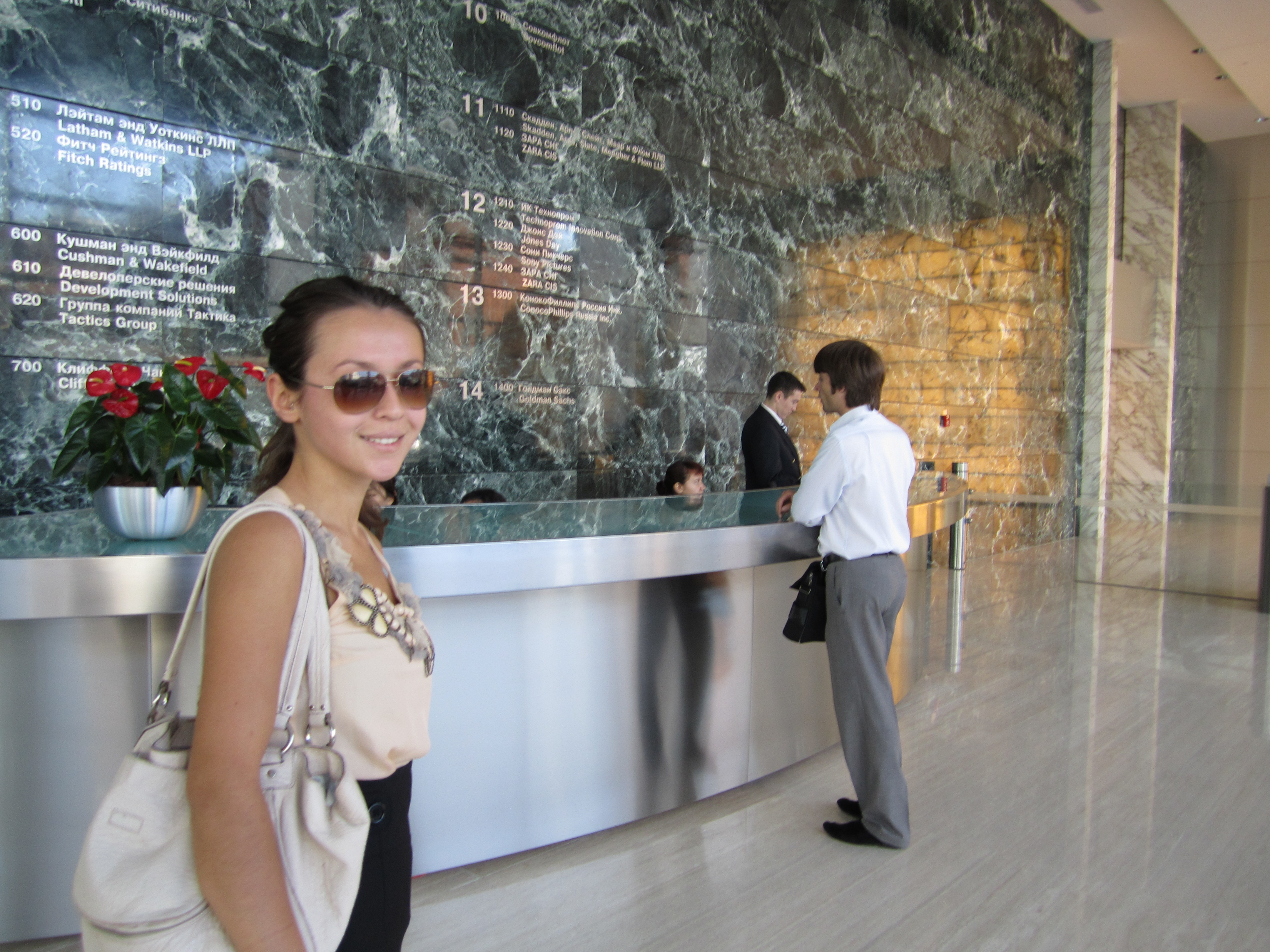
In Moscow, we had breakfast with Citigroup energy analyst Alexander Korneev. The meeting was part of our effort to establish connections with financial analysts who determine market understandings and provide assessments of developing energy projects in Russia. Alexander creates assessments on the East Barents Sea offshore natural gas project called Shtokman, and we wanted to follow up with him on this topic.

It was also an opportunity for us to enter into the Citigroup Highrise located in downtown Moscow…

Alexander K. is frequently quoted in the press as you can read here. He is a spokesperson for determining the financial health of Russian oil and gas companies. Alexander K. is listed also as a co-author on a number of Citigroup insight reports concerning the timing of development on the Shtokman offshore arctic natural gas project.

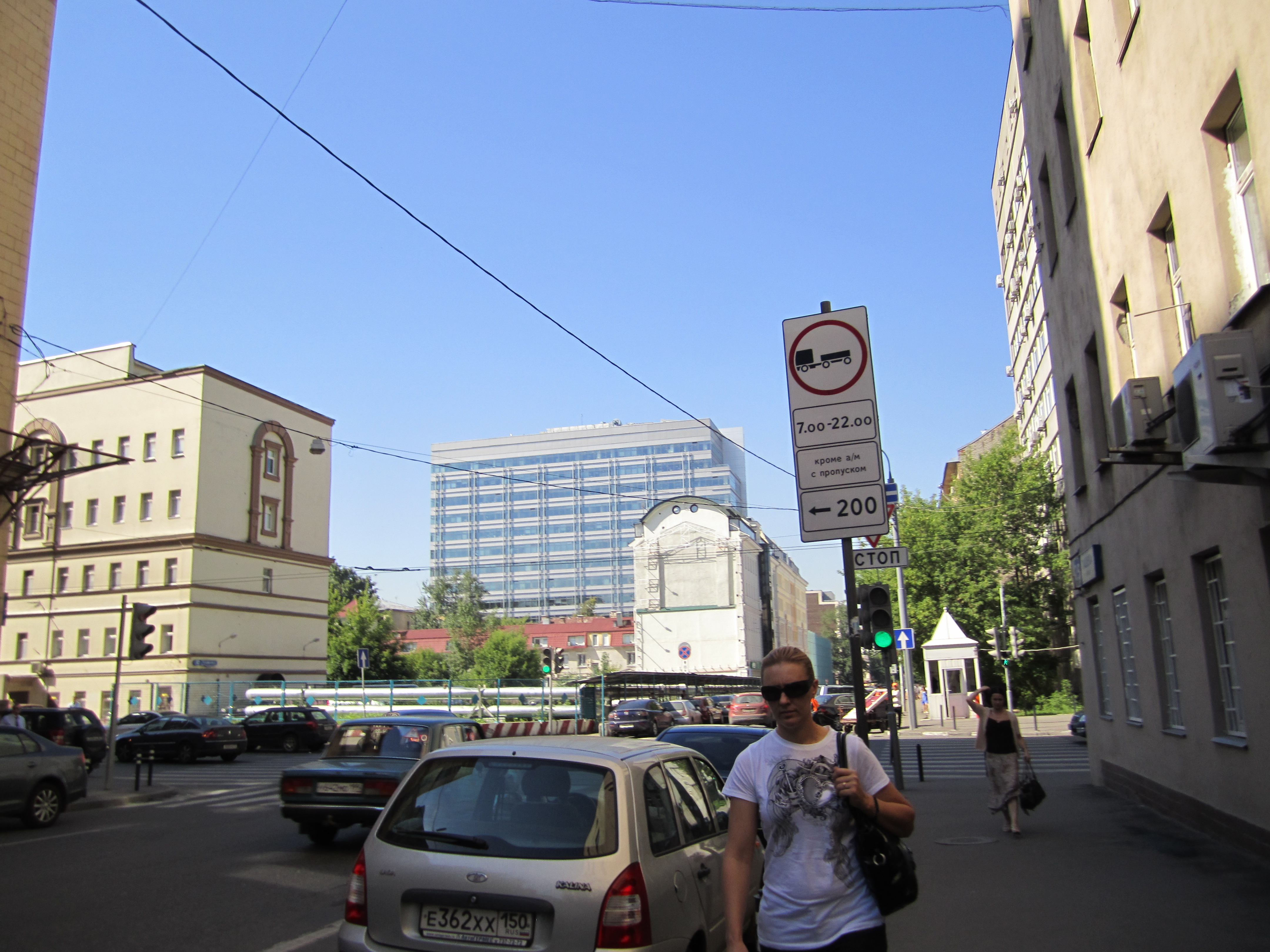
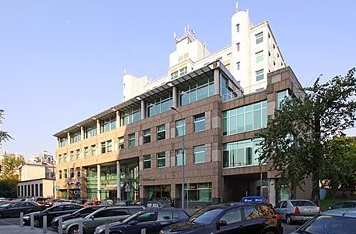
We couldn’t help noticing our route to the Citigroup Building, and we want to take a moment and set the stage for how we arrived at breakfast. We took the subway as far as Mayakovskaya station, and then began wandering around the neighborhood, looking for Ulitsa Gasheka 6 (Гашека ул.), the very address for the Citigroup building. It was difficult for us to get our bearing coming out of the subway and while wandering the neighborhood, we decided to play a guessing game about which building would be the Citigroup.


In fact, the Citigroup appeared to us as an Island of Inland Empire, rising out of an older neighborhood in the mode of a brand new office center, all to its own, like an island of financial exception.

The following image, by the way, captures the external world of the everyday life that surrounds Alexander K. The buildings are some of the objects of representation that serve as the dominant in structuring the images that Alexander K. (as a financial analyst) has of himself, including his ideological relationship to the world and the principle behind his aesthetic orientation of himself to his surroundings.
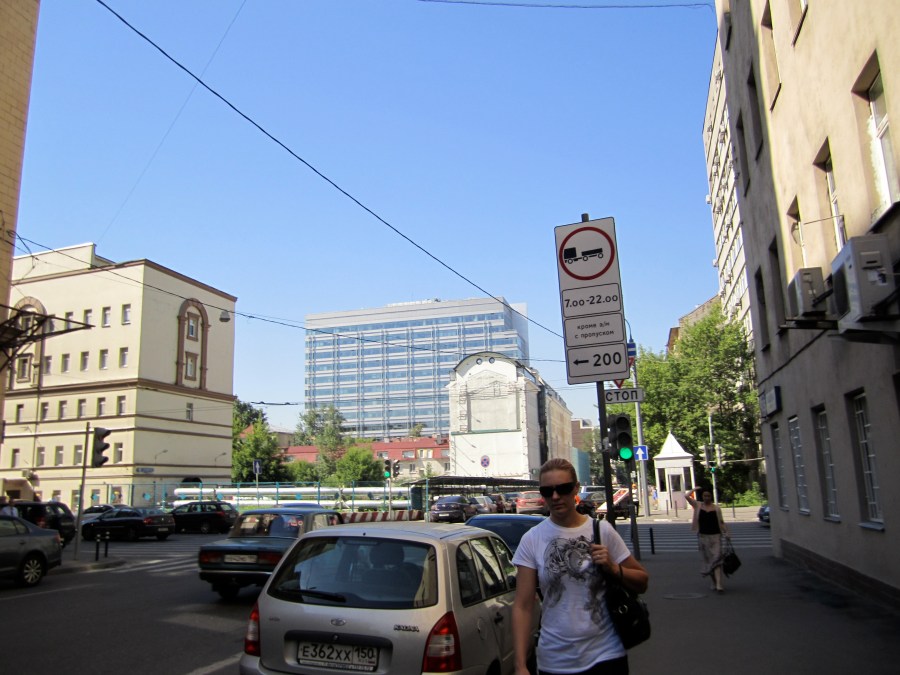
For example, Alexander K. is aware that he holds an office in a building and that this awareness confronts him visually every morning upon his exit from the subway station. He is aware also that others can see this building as they leave the subway — as we do, for example, as we walk toward his building.

Thus, the field of vision belonging to Alexander K.– alongside and on the same plane with the self-consciousness he has of himself– also absorbs into it, the entire world of objects that surround him, and – in fact – the other fields of vision (e.g., us) who hold another point of view on the world, but whose point of view is now exposed to the visible reality of Alexander K’s world (e.g., the Citigroup Building we see from the subway station among other buildings).

One might say, following Mikhail Bahktin‘s description of the Hero in the novel of Fydor Doestoevsky, that: to the all-devouring consciousness of Alexander K., there is juxtaposed to this, a world of other consciousnesses that he encounters.  And he absorbs these other features and consciousnesses, which are rolled into his own material.

How does this occur? What consciousness will he now confront — Well, ours! and everything that we understand of him as we move through a set of visuals to visit him. What are these visuals that we absorb, and for which he will in turn be confronted with, which he already is aware of? Let’s look at the following visuals as expressions of power and distance:


Well, there’s the security turnstyles:


The visibility of titles of prestige:


Reception room of Alexander K. – notice the images posted on the wall…

“In power that may exist but is not visible in the appearance of the ruler the people do not believe. They must see in order to believe…. the most visible expression of this total focusing [on the] person and his elevation and distinction, is etiquette.” (Norbert Elias Court Society p. 118, emphasis added).

Here, what I want to draw attention to is the ritualistic visibility of the building itself, the titles of offices placed into the marble wall behind the security desk, the requirements for identifications badges to pass through the security turnstyles, what is important here, is: (1) objects within the field of vision and (2) the aesthetic distinction that this particular field of vision provides. As we move through this sequence, from (a) envisioning the building from the entrance of the subway, (b) the building’s visual amidst the neighborhood, (c) through security and recognizing the various company offices in proximity to Citigroup, (d) and finally arriving at Alexander’s reception desk, where we encounter, well, another set of visuals, about — buildings:


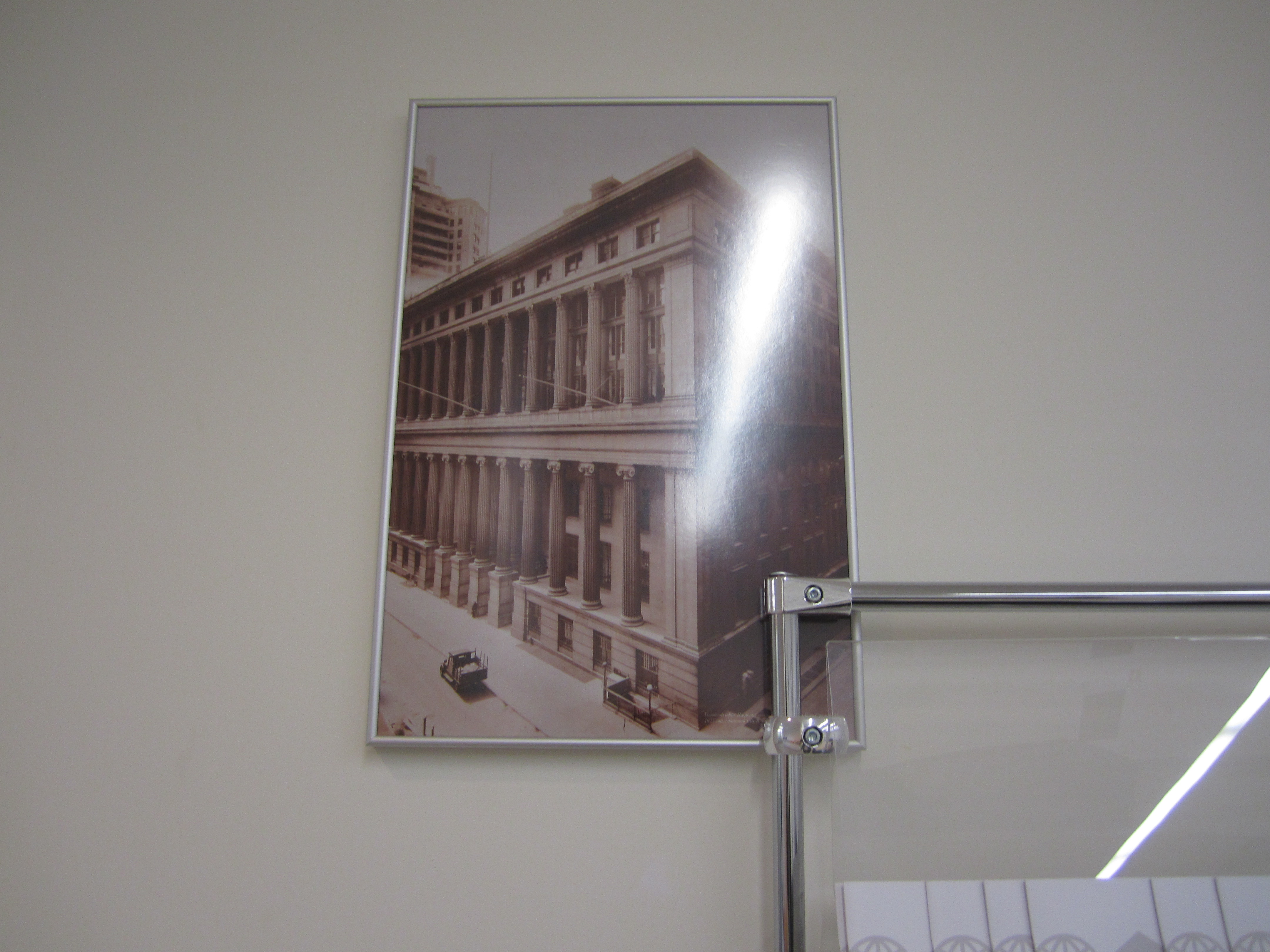
Images of power and history: A buiding within a building.


Reminders of where you are:


The image actually has a descriptive in Russian and English:


Notice in these photos that hang on the wall of Citigroup reception, what we become witness to is a visual on the historical power of Citigroup as an expression of a building, an actual building in the past, that is brought to us in the present, as a visual expression of the permanance of capital, metropolitanism (New York and Madrid) and expanse across territories (the fact that these images are in Moscow).


Oh boy, okay, where shall we go for breakfast?


Citigroup on one side:


Eatery on the other:


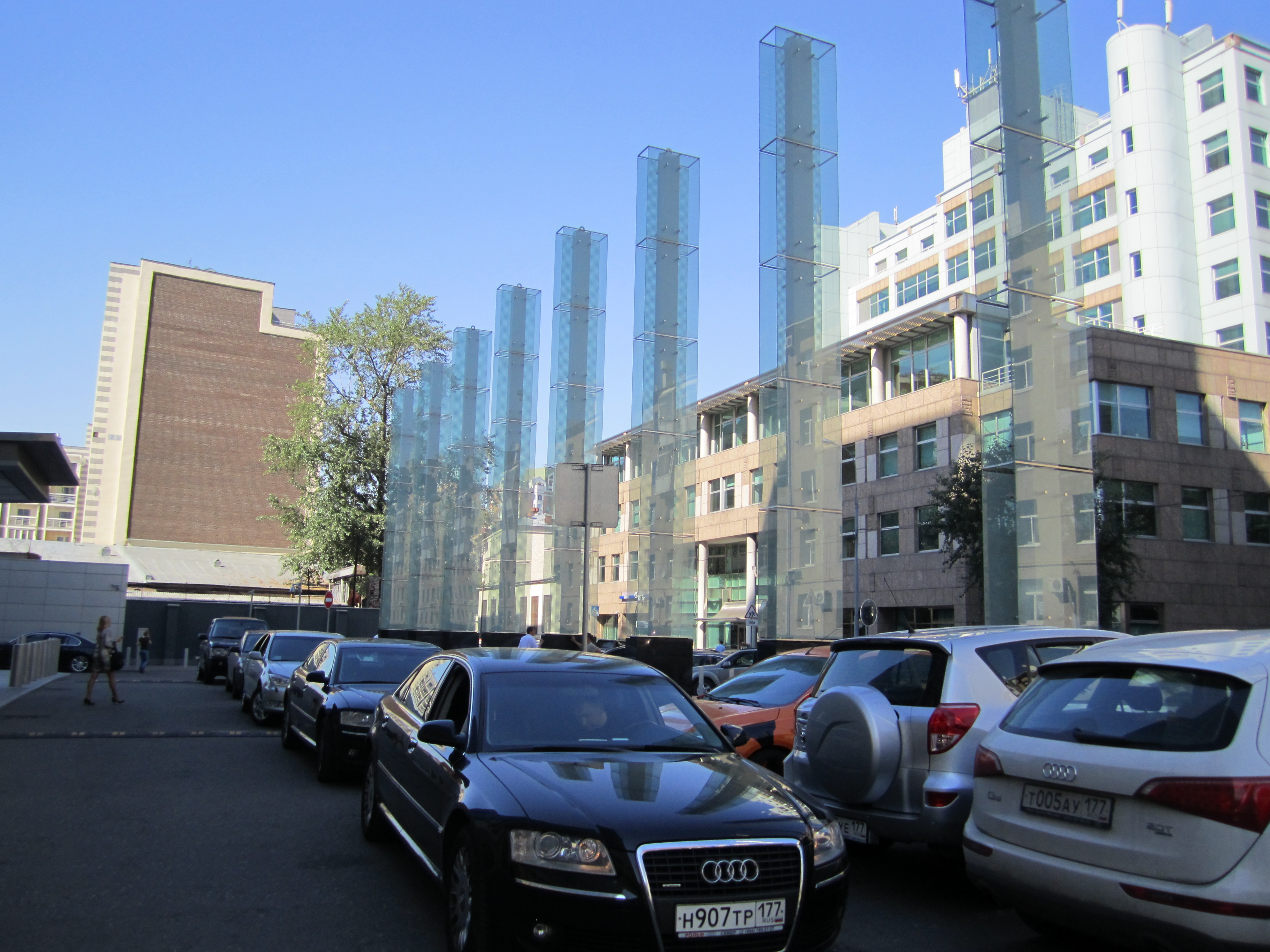
Audi parking in-between (compare with cars in previous gashenka street photo)
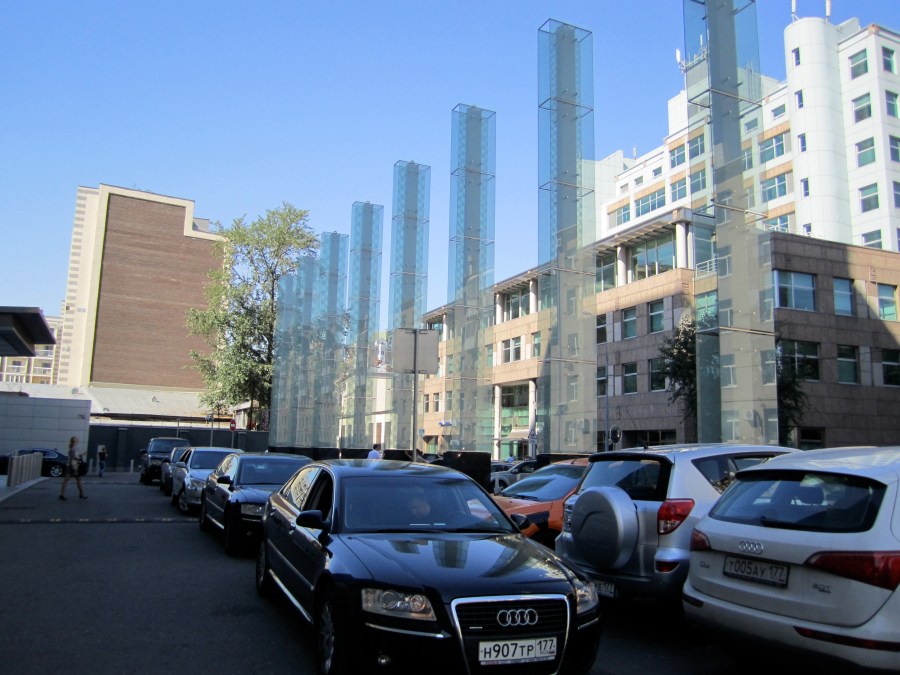
Architecturally, we have two new buildings that comprise this particular cityscape — from this perspective (which is the only perspective you see if you google Citigroup Moscow), what we find is a self-sufficient ideologically and structurally self-enclosed sphere.

What is required of us, is to leave the building, pass Starbucks, and enter into another entrance, that of a high-end eatery directly across this parking lot. No reference, assimilation or visual of the surrounding neighborhood.


Citigroup entrance:


…passing Starbucks…


Eatery entrance directly across from 6 Gasheka:


We have entrances of steel and glass, clean streets, even pavement–what we have here is a type of interior, with the only exposure to Moscow being the sky. It is a pose, similar very much so, to that of the galleria of the World Bank in Washington, D.C. (as seen in this image, taken while visiting the Energy Czar, Dan Kammen).


—  But there, the exposure to finance as composed by the World Bank building itself — reaches its zenith. In that building, it is a private public square without any interference from the city scape.


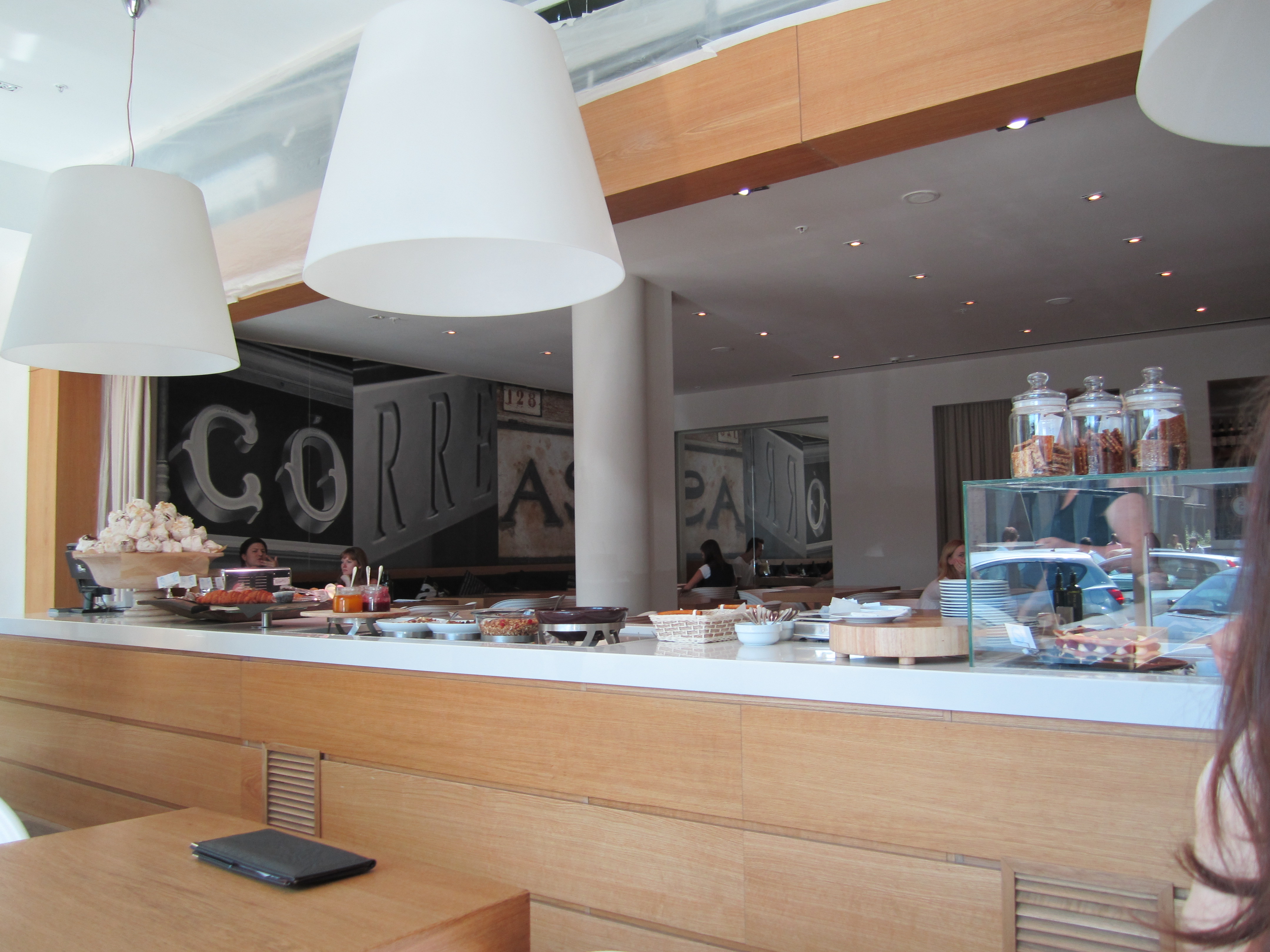
Okay, breakfast.
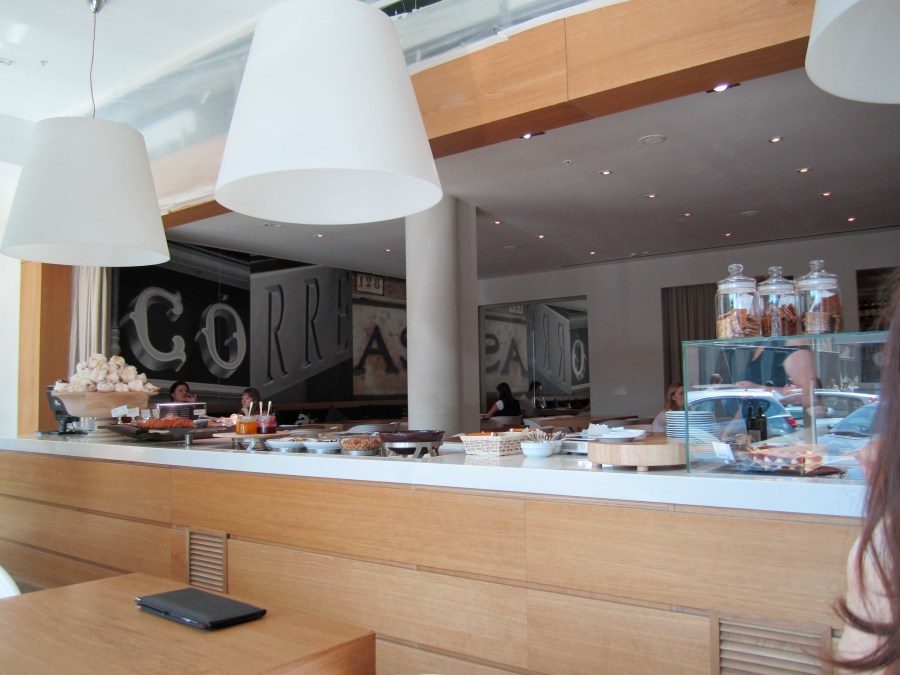
Buffet left, center and right


Vanguard and Rearguard
Knowledge-making surrounding energy development in Russia today consists of two contrasting social groups: a rear-guard made up of an older generation of specialists whose structural position as managers of organizations such as Gazprom and the government ministries is based upon accumulated political capital, that is, their built-up personal connections throughout their career, and; a vanguard or alternatively labeled the Global Russians (Globalnye Ruskie) – a phrase adopted at the St. Petersburg Economic Forum this past June, to identify a younger generation of Russians educated in the West and who are now serving as experts in Moscow either in the capacity as energy analysts, journalists, etc. for western firms (e.g., Citibank), or for newly created government entrepreneurial incubation parks. This vanguard group is further characterized by their reliance upon American economic discourses concerning relationships between capital expenditures, transparent reporting, and returns on investment.

Business card in English

Business card in Russian


Alexander K. clearly belongs in the latter group of vanguards.

Read Full Post »
Paparazzi Ethnographer (that’s me!) bringing you the latest news of the not-so-famous, and today is no exception. Brought to you directly from the retirement party of UC Berkeley anthropologist Nelson Graburn is evidence of what can only be described as an academic celebrity pile-up.

But before we even go there, we need to introduce our latest discovery, the talented and stunningly straight forward jazz singer, Abby Diamond and her act, The Diamond Jim’sVoilà!

Abby Diamond, Jazz Singer extraordinaire

The Diamond Jim’s

Guitarist Mark Coulter

“What a set of pipes,” is all that could be heard by anyone who dared to whisper aloud about Abbey’s vocals when the band started up.

Okay, let’s get back to business. Nelson Graburn, world renown arctic anthropologist, Inuit arts, inventor of the phrase fourth world (referring to indigenous modernity) and creator with his bear hands of an anthropology of tourism — is retiring. After 48 years, he’s decided to call it a day.

entering the mosh

Dr. Conkey

Dr. Habu

Let’s take a look at who came out to see the master off.

Uh-huh.

Oh my Lord, is that who I think it is? Meg Conkey, archaeologist extraordinaire (another one!) and Junko Habu, who actually worked in the Arctic for a bit, if I recall — no wait, she’s famous for Pacific Rim archaeology of Japan, on sabbatical last year, but back to the trenches.

Dr. Laura Nader and Nelson Graburn

Drs. Ferme, Pandolfo & Graburn

Laura Nader and Nelson Graburn, wow, two anthropological heavies in the same room and friends after all these years. Mariane Ferme of Sierra Leone ethnography fame, and Stephania Pandolfo. And all these folks have written books, multiple books.

Good grief. Science, what a Life!

Tomeko Wyrick

Kathy and Cecily Graburn

Tomeko Wyrick, btw, worked the room splendidly. She’s in charge of the Archaeological facility, or at the very least making sure things run smoothly, and she was in fabulous form. There they are! Kathy Graburn and the Song Bird, Cecily Graburn. Oh, pardon me, the Opera Singer. The first time I saw Cecily sing, I thought to myself, shhh, let’s listen – and then Boom! Her voice was so strong it practically shook the rafters apart. Cecily also plays and teaches violin.

Phew! That about does it for now. Congratulations Nelson!

Read Full Post »

Lounging at the ArtMRKT

When we heard that the San Francisco ArtMRKT was holding its inaugural fair, we decided to pay a visit. We were not disappointed.

Doniece Sandoval…

…using hand gestures…

…to explain the Tent.

The ever glamorous and articulate art critic, Doniece Sandoval, Chief Officer for Zero1 Gallery, introduced us to the work of artists Adrienne Pao and Robin Lasser, who created a number of installations they refer to as Dress Tents: Nomadic Wearable Architecture.

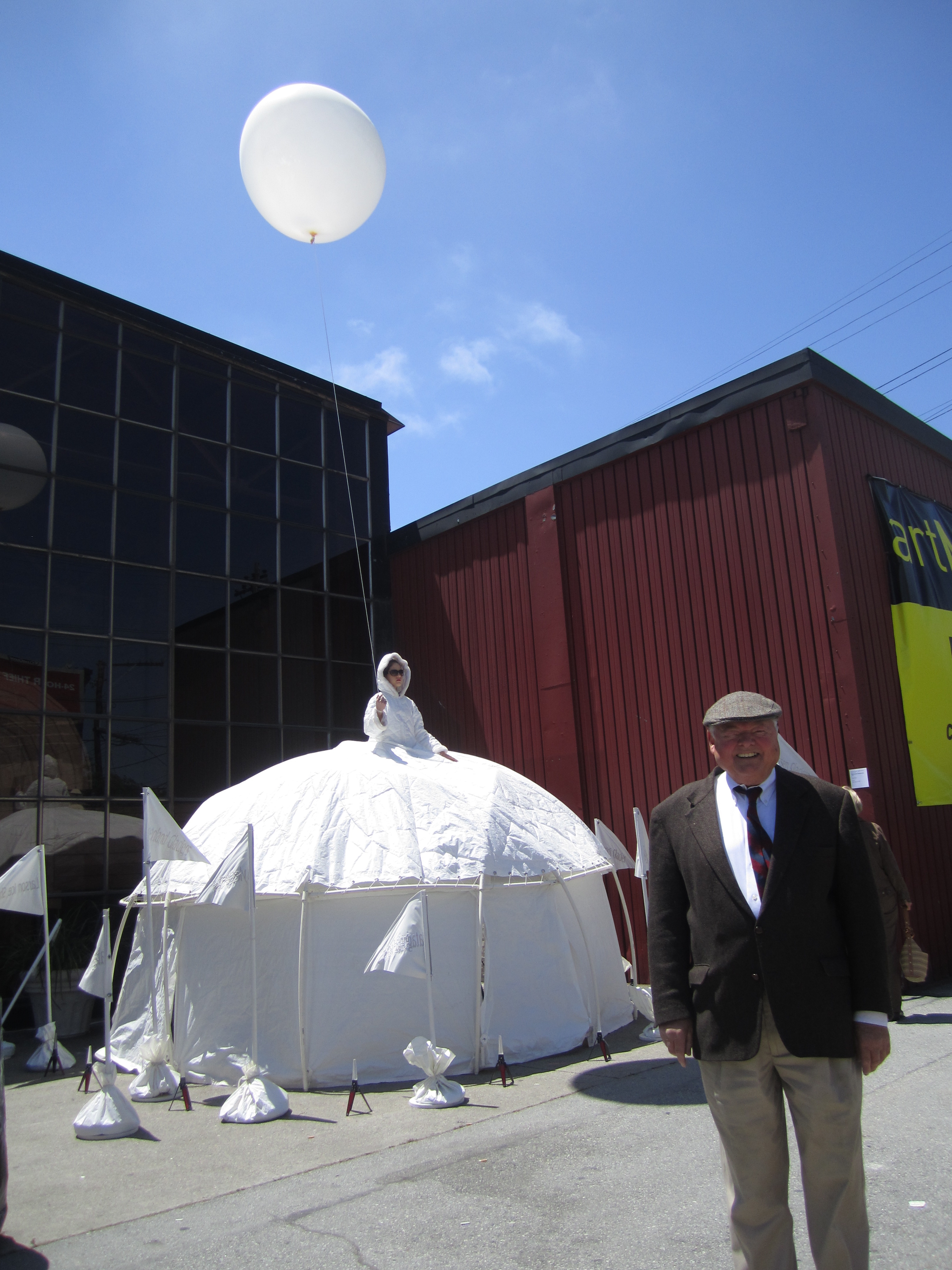
The most popular of the dress tents is titled Ice Queen: Glacier Retreat which was an installation at the entryway to the artMRKT Fair. It is surrounded by small flags printed with the names of glaciers that are receding. A woman sits atop the tent holding a weather balloon and does not respond to any of the jeering of passers-by.

Man with Ice Queen

Ice Queen up close

The Ice Queen tent is charismatic because it taps into themes in which expert prognostication plays a critical role in the unfolding of the present. Looking ahead to whatever lies in the future is a desire that dates back at least as far as Mesopotamia.

Seeing an igloo in the middle of San Francisco, with a woman popping out of the top also helps to create excitement. But the afternoon was unusually warm and we became worried that the Ice Queen might well just burn up, sitting on a ladder inside a tent and wearing an arctic moo moo. Perhaps this is one message of the installation– that the Arctic is so hot, you might as well just set up an igloo and wear a parka in the center of any town — for all that it is going to mean to anyone anymore in the Arctic.

Chris Antemann

Doniece assured us, however, that there are several Ice Queens and that none of the queens stay out longer than 30 minutes at at time.

In a complex society with differentiating knowledge systems, the rise of non-human forces of regulation through cybernetic systems and probability calculations, it’s good to know that art still stands in for and procures the aura of the future vision.

boudoir state-craft

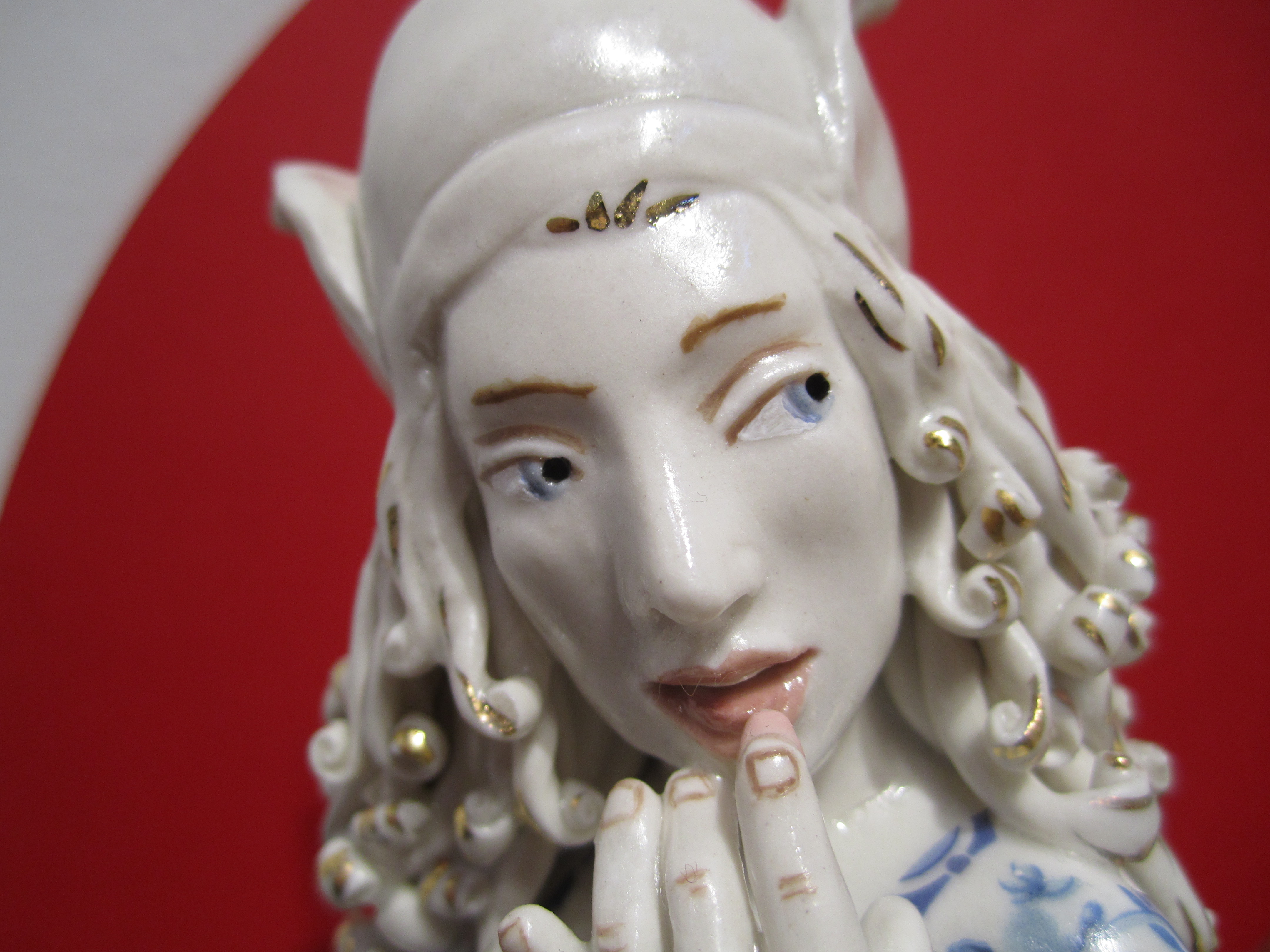
delicacy of touch

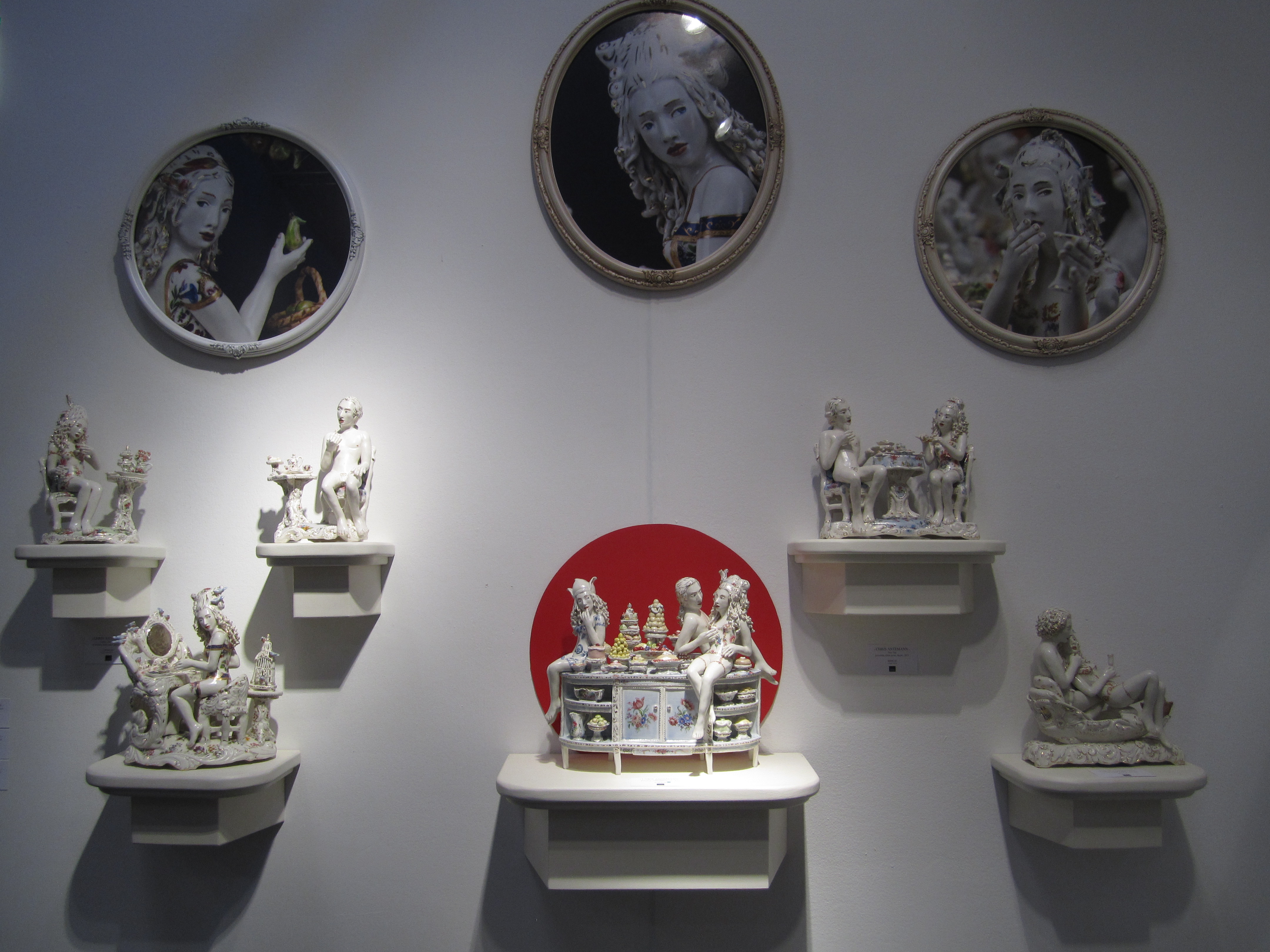
We spent time wandering around. Nevertheless, I kept returning to the work of Chris Antemann, who created a set of ceramic models titled Paradise and Boudoir. There is something in the aesthetic features of these ceramics that captured my imagination about the corporeal romantic (versus what I usually write about — the corporeal expert).

I’m reading Norbert Elias Court Society, about the role of etiquette in shaping the interdependences of Nobles to the French King at the 18th century court of Versailles. Notice, in these images, the emphasis placed on glances, whispered communication, and sleight of hand gesture.

These forms of meaningful communication convey a variety of messages about intimacy and statecraft — how the personal and professional were once merged — and provide a contrast to my own current research interests that emphasize a distance between these same life-spheres.

corner-of-one’s eye

touch and glance

secret and whisper

Read Full Post »

Tonight, we caught a free screening of the Swedish version (with English subtitles) of the movie, The Girl Who Kicked the Hornet’s Nest, the film adaptation of the third novel in Stieg Larsson‘s Millenium Series. The trilogy includes the bestselling novel, The Girl with the Dragon Tattoo.

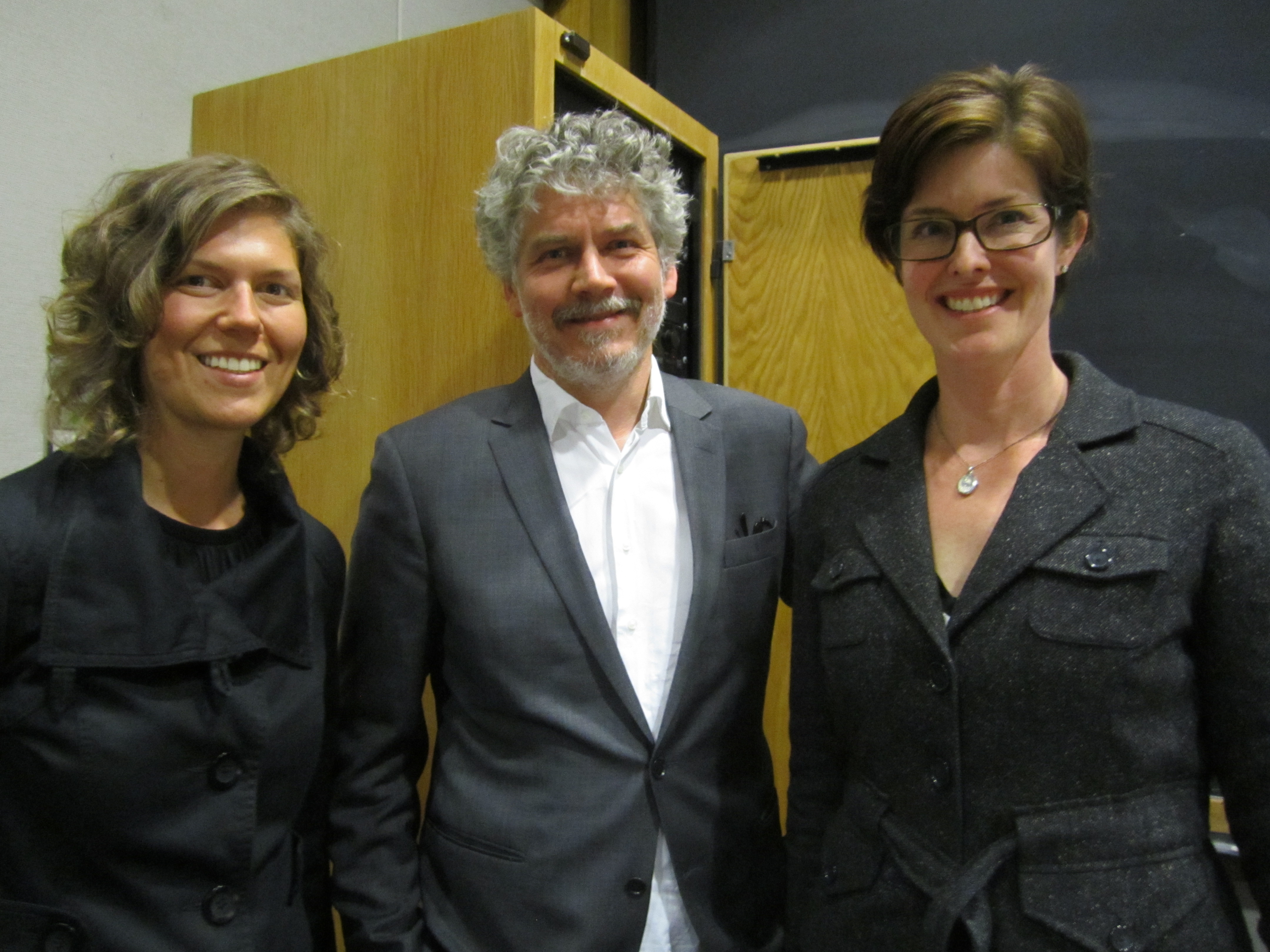
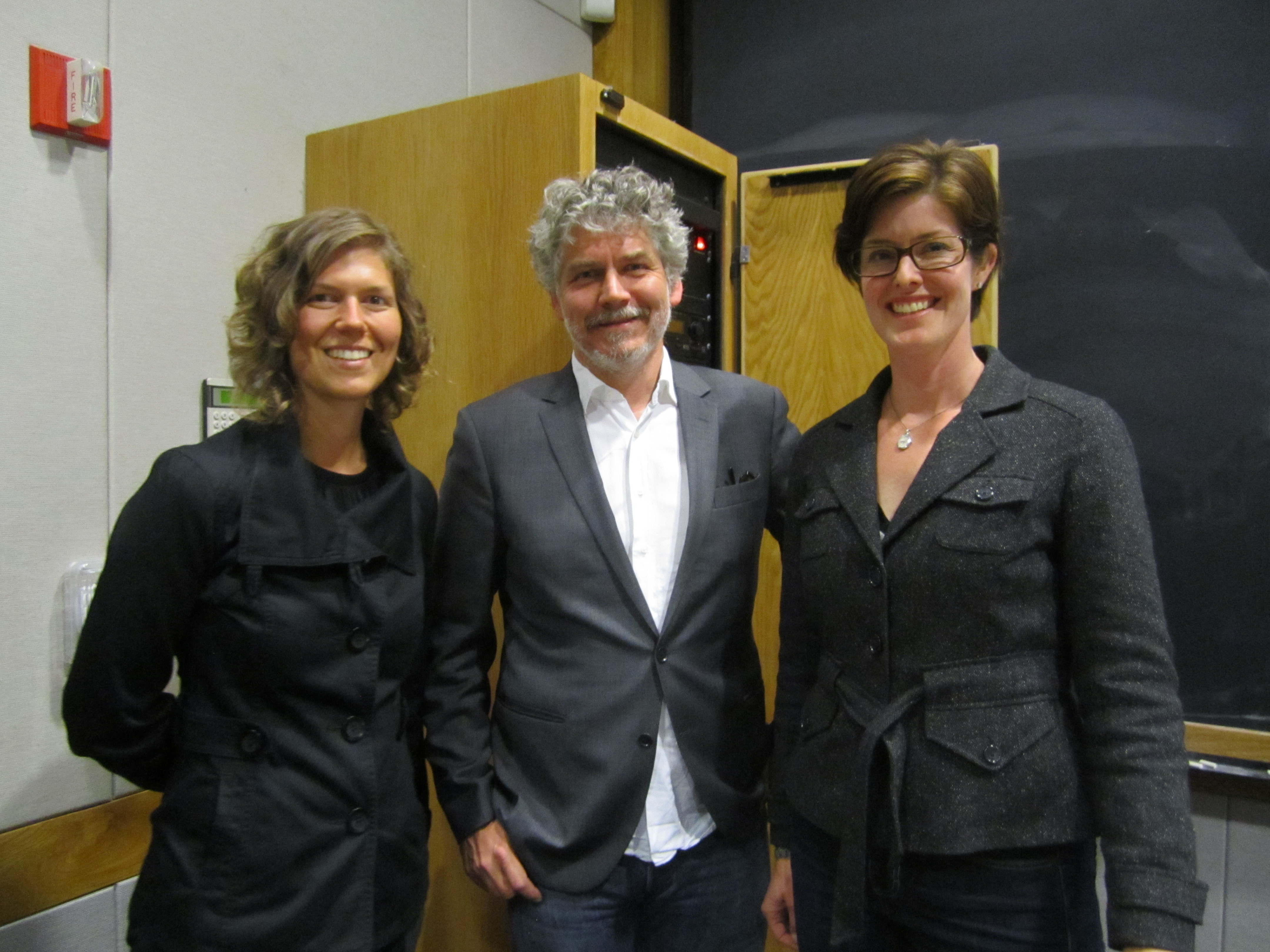
Swedish film Director – Daniel Alfredson flanked by UC Berkeley’s Laura Horak (L) and Amanda Doxtater (R)

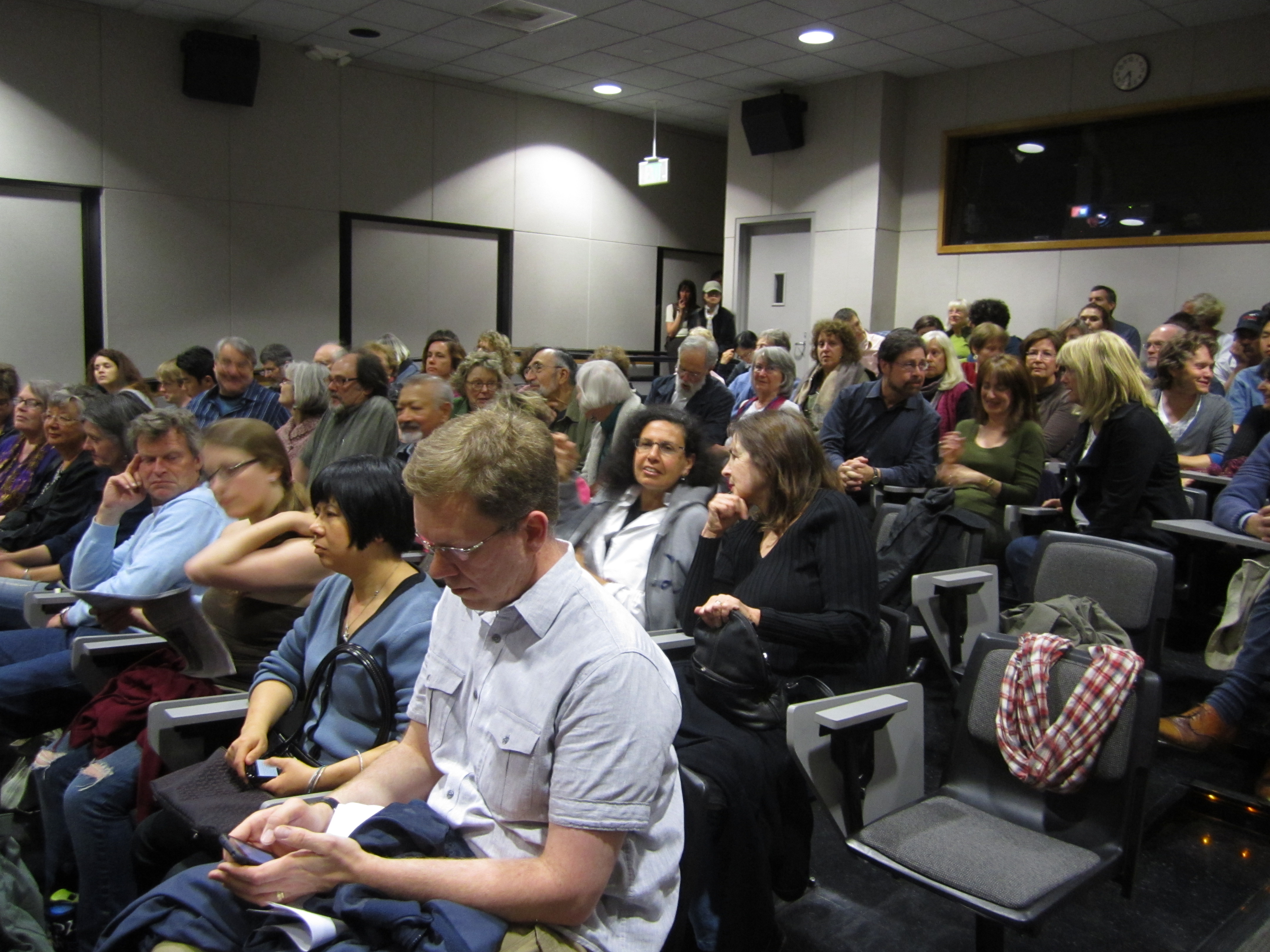
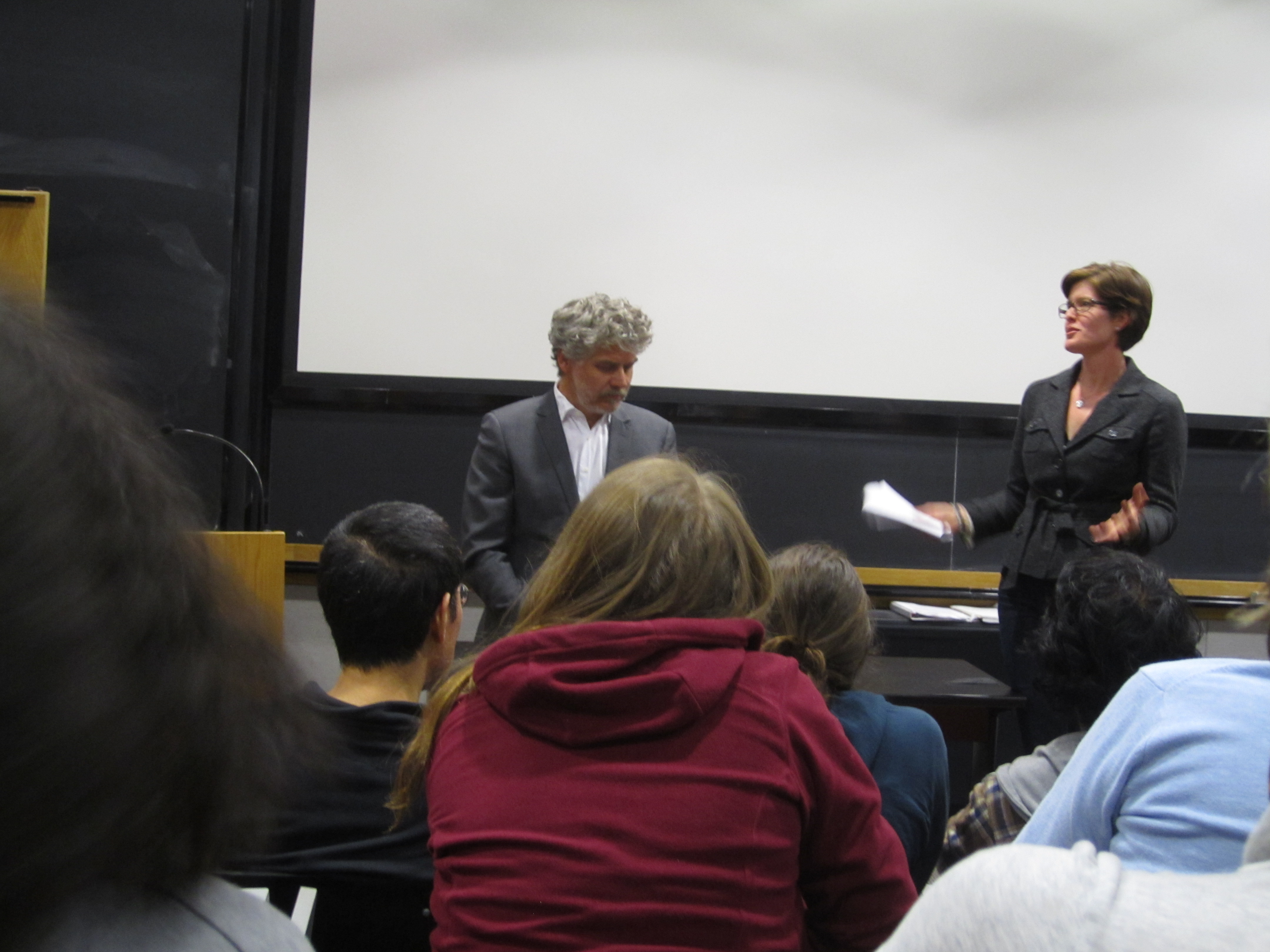
The feature film was followed up with a question and answer period with filmmaker, the Swedish director Daniel Alfredson. The program was organized ably by Amanada Doxtater of UC Berkeley’s Scandanavian Department and Laura Horak of UC Berkeley’s Film Studies Department.

Did I just say the word “ably”? In fact, Amanda and Laura were fabulous! As you can see from the photograph — as hosts, they shone with every bit of the star quality as their guest. And the hall was packed to the gills.

Everyone enjoyed the film, even though for many it was not the first viewing. I had already seen the film previously, but I wanted to catch it once more — to get into the mood of the evening prior to when the director would be commenting on his work.

There is an interesting story here for those of you who are not familiar with the book trilogy or the movie sequels. Apparently, the Swedish production that created the three movies also created a parallel television series which was shown in Europe. Both the movie and television versions have some overlap but are separate films.

Film directed by Oplev

Directed by Alfredson

Directed by Alfredson

Also, what I did not know, is that Daniel Alfredson directed the two sequel films (The Girl Who Played With Fire and The Girl Who Kicked the Hornet’s Nest).

Niels Arden Oplev, directed the first of the trilogy The Girl with the Dragon Tattoo.

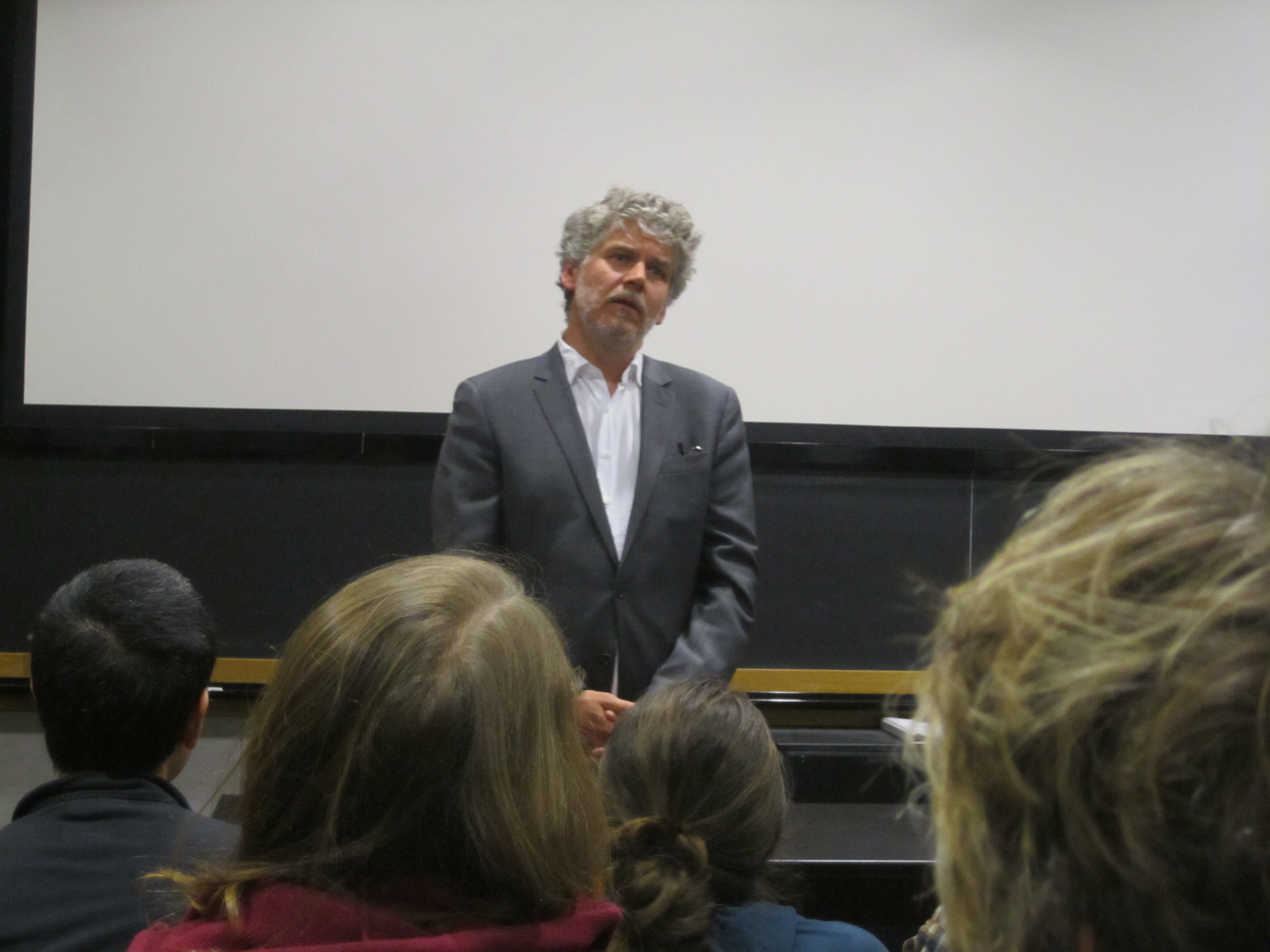
To the enjoyment of everyone attending, Daniel Alfredson was articulate, charming, charismatic, well-dressed — and all without compromising an edgy artistic glow. He patiently and thoughtfully answered all the questions we posed to him  – over the period of one hour! Of course, I couldn’t hold back and asked him three questions, so star struck as I was about the artist and especially the artistic process.

The hungry crowd

Did he feel any pressure stepping into a sequel film project? No, in fact, he pointed out that the sequel production was already underway before the first film even opened in the theaters. So the sense of expectation typically associated with a sequel was absent. What did he think about Daniel Craig playing the role of Michael Nyqvist in the American version of the film?

That was my question.

On this point, Daniel was gracious to a fault, expressing only support over the upcoming attraction.

A question about the musical score set him to pause and we could all see that here was a topic in which he had struggled over to get just right, since much of the last film deals with facial expressions without dialogue.

Question about musical score

Question about Daniel Craig

I usually work alone, writing. So I wanted to know: what is it like to film on a set, organizing all those actors, what’s going on in your head??!!

His answer came as a surprise:

eh, not really a big deal. He suggested that filming is a military excersize, in which organization and timing are key, and where the action sequences are about


technique while the emotional sequences are about capturing silences, mood of expression and keeping the tension.

By the way, since I work in Norway, Denmark, Sweden, Finland and Iceland, AND, since I’ve always been interested in carrying out an anthropology of film direction — yes, you guessed it


— I couldn’t stop myself and had to ask him outright, whether I could contact him for a follow-up discussion about conducting an anthropology of Scandanavian movie production.


And what do you think Daniel’s reply was?

The Glamorous Trio

Meeting the man in the man


Well, let’s just say that we’ll catch you on the set of the next Daniel Alfredson movie production, as


StudioPolar expands its paparazzi ethnography to bring you all in the latest aesthetics of the not-so-famous.

Read Full Post »

The Following

Mr. G.


Mr. G. in Houston, USA


Mr. G. in Moscow, Russia


Mr. G. in St. Petersburg, Russia


Mr. G. back in Houston, USA


Read Full Post »

« Newer Posts - Older Posts »